


Understand laparoscopic hysterectomy—its procedure, recovery, and costs. Learn how this minimally invasive surgery helps
The decision to undergo a hysterectomy is a significant one for any woman. It often comes after months or even years of dealing with painful or debilitating health conditions, and it represents a major step toward reclaiming one's quality of life. While the thought of surgery can be daunting, modern medicine has made remarkable advancements. Today, the focus is on procedures that are not only effective but also minimally invasive, allowing for a quicker and more comfortable recovery. One of the most significant of these advancements is the laparoscopic hysterectomy.
This procedure has transformed the experience of uterus removal for countless women, replacing large incisions and long recovery periods with a more refined and patient-friendly approach. Understanding what this surgery entails, from the reasons it's performed to the specifics of the procedure and recovery, is the first step toward making an empowered and confident decision about your health.
What Is a Hysterectomy?
At its core, a hysterectomy is the surgical removal of the uterus (womb). It is a definitive treatment for a range of gynecological issues and is one of the most common surgeries performed on women. Depending on the patient's specific medical condition, a surgeon might recommend one of several types:
Total Hysterectomy: The most common type, where the entire uterus and cervix are removed.
Partial Hysterectomy: Also known as a supracervical hysterectomy, this involves removing the upper part of the uterus while leaving the cervix in place.
Radical Hysterectomy: This extensive procedure, typically performed for certain types of cancer, involves removing the uterus, cervix, the upper part of the vagina, and surrounding tissues. The ovaries may or may not be removed during these procedures.
Introducing Laparoscopic Hysterectomy
For decades, the standard approach to hysterectomy was a traditional "open" surgery, which required a large abdominal incision. A laparoscopic hysterectomy, however, is a minimally invasive surgical technique that achieves the same goal through a few tiny incisions.
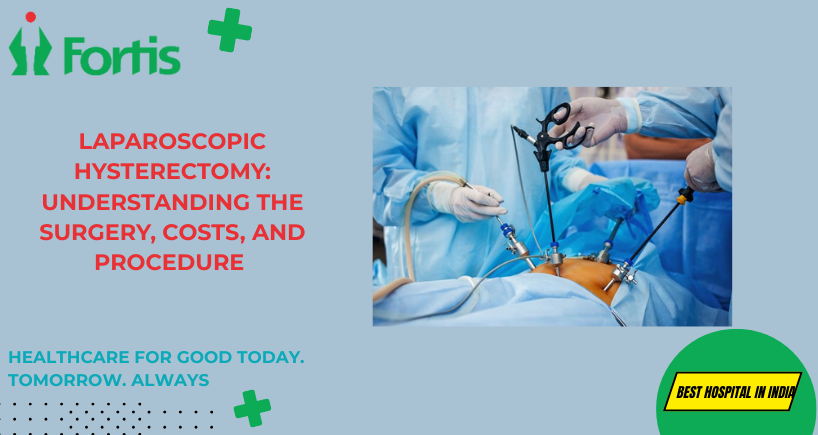
The procedure gets its name from the laparoscope, a thin tube equipped with a high-definition camera and a light source. A surgeon inserts this instrument through a small incision, usually in or near the navel. This camera transmits a magnified, real-time view of the pelvic organs onto a monitor in the operating room. The surgeon then uses highly specialized instruments inserted through other small incisions to carefully detach and remove the uterus. This method allows for incredible precision without the need for a large cut, fundamentally changing the patient's surgical experience.
Why a Laparoscopic Hysterectomy Might Be Recommended
A hysterectomy is never the first line of treatment. It is typically recommended only after other; more conservative treatments have failed to resolve a patient's symptoms. A doctor might suggest a laparoscopic surgery for uterus removal for several common and serious conditions.
Uterine Fibroids
These are non-cancerous growths that develop in the muscular wall of the uterus. While often harmless, they can cause severe symptoms, including heavy menstrual bleeding, pelvic pain, and pressure on the bladder. When fibroids are large or numerous, a hysterectomy provides a permanent solution.
Endometriosis
This is a painful disorder where tissue similar to the lining inside the uterus grows outside of it. This tissue can cause inflammation, scarring, and severe pain. For women who have completed childbearing and suffer from debilitating endometriosis, a hysterectomy can offer significant relief.
Abnormal Uterine Bleeding
Persistent, heavy, or irregular bleeding that disrupts daily life and does not respond to hormonal treatments or other procedures may be a reason for a hysterectomy. This ensures a permanent end to the bleeding.
Uterine Prolapse
This condition occurs when the pelvic floor muscles weaken, causing the uterus to slip down from its normal position and bulge into the vagina. In severe cases, a hysterectomy is performed to correct the issue and relieve discomfort.
Gynecologic Cancer
For cancers affecting the uterus, cervix, or ovaries, a hysterectomy is often a critical part of the treatment plan. The minimally invasive laparoscopic approach may be an option depending on the stage and specifics of the cancer.
The Laparoscopic Hysterectomy Surgery Step by Step
Knowing what to expect can greatly reduce the anxiety associated with any surgical procedure. The journey is a structured process focused on safety and a successful outcome.
Before the Surgery
The process begins with thorough pre-operative consultations. Your doctor will conduct a physical exam, review your medical history, and may order blood tests or imaging studies. You will receive specific instructions on how to prepare, including when to stop eating and drinking and which medications to take or avoid.
During the Surgery
On the day of the procedure, you will be placed under general anesthesia, meaning you will be asleep and feel no pain. The surgeon then:
Make a few small incisions (typically 0.5 to 1 cm long) in the abdomen.
Gently inflates the abdomen with carbon dioxide gas to create space and improve visibility.
Inserts the laparoscope and surgical instruments.
Watching the high-definition monitor, the surgeon carefully cuts and detaches the uterus from its surrounding ligaments and blood vessels.
The uterus is then removed, either in small pieces through one of the abdominal incisions or through the vagina.
Finally, the instruments are removed, the gas is released, and the small incisions are closed with sutures or surgical glue.
After the Surgery
You will be monitored in a recovery room as the anesthesia wears off. Because the procedure is minimally invasive, the hospital stay is significantly shorter than with open surgery, often just one night. Pain is managed with medication, and you will be encouraged to start walking soon after the procedure to promote healing.
Navigating the Recovery Process
The recovery from a laparoscopic hysterectomy surgery is typically much faster and less painful than from a traditional hysterectomy. Most women can return to light activities within a week or two. However, a full recovery still takes time, and it is essential to follow your doctor’s instructions carefully.
For the first four to six weeks, you will need to avoid:
Lifting anything heavy (usually more than 5 kilograms).
Strenuous exercise or physical activity.
Sexual intercourse.
It is normal to experience some fatigue, mild pain, and vaginal discharge during this time. Your body is healing and allowing it adequate time to rest is crucial for a smooth recovery.
Understanding the Laparoscopic Hysterectomy Cost
The cost of any surgery is a practical and important concern. The laparoscopic hysterectomy cost can vary significantly based on several factors, including the city and hospital where the procedure is performed, the surgeon's expertise, the type of room you choose for your stay, and the extent of your health insurance coverage.
While it represents a significant financial investment, it is also an investment in long-term health and relief from chronic symptoms. Discussing the details with the hospital's billing department and your insurance provider beforehand can provide clarity and help you plan accordingly.
A Decision Guided by Expert Care
A laparoscopic hysterectomy is a sophisticated and effective procedure that offers a faster, less painful path back to wellness for women suffering from a variety of gynecological conditions. It stands as a testament to how far surgical care has come, prioritizing both clinical outcomes and patient comfort.
The journey begins with a conversation. A thorough discussion with a trusted and experienced gynecologist is the most critical step in exploring your options, understanding the benefits and risks, and making an informed decision that is right for your body and your future.
Frequently Asked Questions
Q1. How long does the surgery typically take?
Ans. A laparoscopic hysterectomy usually takes between one to three hours, depending on the complexity of the case and the surgeon's findings.
Q2. Will I have noticeable scars?
Ans. The incisions are very small, and surgeons often place them strategically, such as within the belly button. As they heal, the scars are typically minimal and fade significantly over time.
Q3. When can I expect to return to work?
Ans. Most women can return to a desk job or other non-strenuous work within two to three weeks. If your job is physically demanding, you may need to wait four to six weeks.
Q4. Will I go into menopause immediately after the surgery?
Ans. You will only enter surgical menopause if your ovaries are removed during the hysterectomy. If your ovaries are left in place, you will not experience menopause but will no longer have menstrual periods.
Q5. Is a laparoscopic hysterectomy a painful procedure?
Ans. You will be under general anesthesia and will not feel pain during the surgery. Post-operative pain is managed with medication and is generally much less severe than with traditional open surgery.
Categories
Clear allRelated Blogs
View all

Bacterial Vaginosis: Causes, Symptoms And Treatment


Awareness, Breast Self-Examination And Regular Screening Examination Can Change The Life o...

Hormonal Imbalance: Symptoms, Causes And Treatment

Evolution of Gynae & Cancer Surgeries With Robotics


Know The Top 11 Benefits of Antenatal Exercises



Keep track of your appointments, get updates & more!

