
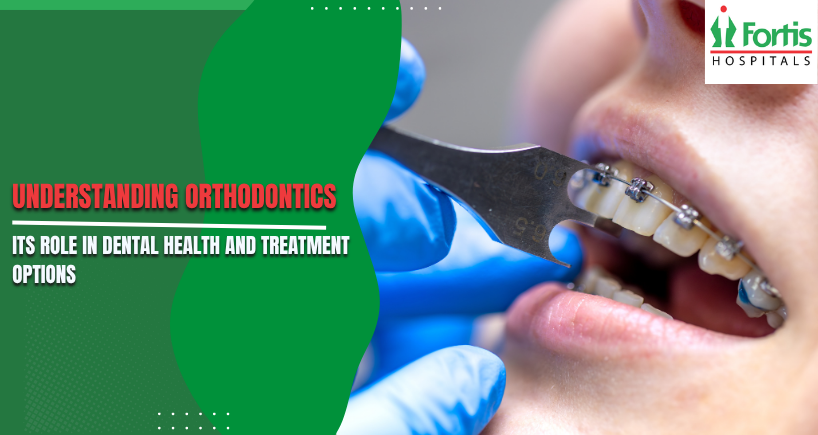


Understanding Orthodontics: Its Role in Dental Health and Treatment Options
A smile is one of the most powerful forms of human connection. It conveys warmth, confidence, and joy. For many people, however, feeling self-conscious about their teeth can hold them back from smiling freely. This is where the specialized field of orthodontics comes in, offering a path to not only a more beautiful smile but, more importantly, a healthier mouth and body.
Many people think of orthodontic treatment simply as a cosmetic procedure for teenagers. But the reality is far more profound. This branch of dentistry is dedicated to diagnosing, preventing, and correcting improperly positioned teeth and jaws. It is a health-focused discipline built on the understanding that a straight smile is a healthy smile, one that functions correctly for a lifetime.
What Is Orthodontic Treatment Exactly?
At its core, what is orthodontic treatment? It is the professional term for using appliances, like braces or aligners, to gently move teeth into their ideal positions. The primary goal is to correct a "malocclusion," which is the technical term for a bad bite. When your teeth and jaws do not align correctly, it can lead to a cascade of oral health problems.
An orthodontist is a dental specialist who has completed several years of additional, intensive training after dental school to become an expert in tooth movement and facial development. They have the advanced knowledge required to create a personalized treatment plan that addresses both the aesthetics of your smile and the complex mechanics of your bite. The ultimate aim is to create a harmonious relationship between your teeth, jaws, and facial muscles.
Why Straight Teeth Are More Than Just a Pretty Smile
The most visible benefit of orthodontic treatment is a straight, attractive smile, but the functional health benefits are far more significant. Correcting the alignment of your teeth is a direct investment in your long-term wellness.
Improved Oral Hygiene
Teeth that are crooked, crowded, or overlapping create tight spaces and awkward angles that are very difficult to clean effectively with a toothbrush and floss. These hard-to-reach areas become traps for food particles and plaque, significantly increasing your risk of developing tooth decay, cavities, and gum disease (gingivitis or periodontitis). Properly aligned teeth are much simpler to brush and floss, which is fundamental to preventing these common dental issues.
Better Chewing and Digestion
Your teeth are the first step in the digestive process. A proper bite allows you to chew your food efficiently, breaking it down into smaller, more digestible pieces. When teeth are misaligned, you may not be able to chew properly, which can place a strain on your digestive system. Correct alignment ensures your bite is effective and comfortable.
Reduced Wear and Tear
A misaligned bite can distribute the immense forces of chewing unevenly across your teeth. This can cause certain teeth to wear down prematurely, leading to chipping, fractures, and enamel erosion. It can also place significant stress on the jawbone and the temporomandibular joints (TMJ), the joints that connect your jaw to your skull. This strain can lead to chronic headaches, facial pain, and TMJ disorders.
Common Issues That Orthodontics Can Correct
Orthodontists treat a wide variety of alignment issues. Some of the most common problems include:
Overbite: The upper front teeth stick out too far over the lower teeth.
Underbite: The lower teeth protrude past the upper front teeth.
Crossbite: The upper teeth do not come down slightly in front of the lower teeth when biting together normally.
Open Bite: A space exists between the biting surfaces of the front or side teeth when the back teeth are closed.
Crowding: There is not enough room in the jaw for the teeth to fit normally, causing them to shift, rotate, or overlap.
Gapping or Spacing: There are extra spaces between teeth, either from missing teeth or a simple size mismatch between the teeth and the jaw.
Exploring the Main Types Orthodontic Treatment
The world of orthodontics has advanced significantly. Today, there are more options than ever before, allowing for treatment that fits different needs, preferences, and lifestyles. The main types orthodontic treatment fall into a few key categories.
Traditional Metal Braces
This is what most people picture when they think of braces. They consist of high-grade stainless steel brackets that are glued to the front of each tooth and connected by a thin arch wire. The orthodontist periodically adjusts the wire to apply steady, gentle pressure that guides the teeth into their correct positions. They are incredibly effective, durable, and often the most cost-effective option.
Ceramic Braces
Ceramic braces function in the same way as metal braces but are designed to be less noticeable. The brackets are made from a clear or tooth-colored ceramic material that blends in with the natural color of your teeth. They are a popular choice for adults and older teens who want a more discreet alternative to metal.
Lingual Braces
For the ultimate in discretion, lingual braces are a fantastic option. They are completely customized and are bonded to the back (lingual side) of your teeth, making them virtually invisible from the outside. Because they are custom-made and more complex to adjust, they can be a more expensive option and may take some time to get used to for your tongue.
Clear Aligners
Clear aligners, with Invisalign being the most well-known brand, have revolutionized orthodontic treatment. This system uses a series of custom-made, clear plastic trays that fit snugly over your teeth. Each tray is worn for about one to two weeks before moving to the next one in the series, gradually shifting your teeth. The aligners are removable for eating, drinking, brushing, and flossing, and they are nearly invisible when worn. This option requires excellent patient compliance to be effective.
What to Expect During Your Orthodontic Treatment Journey
The process typically follows three main phases:
Planning Phase: Your journey begins with an initial consultation. The orthodontist will perform a thorough examination, take diagnostic records like X-rays and digital scans, and discuss your goals to develop a fully customized treatment plan.
Active Phase: This is when your appliance (braces or aligners) is fitted. You will have regular appointments every few weeks or months for adjustments and to monitor your progress.
Retention Phase: This is the most critical phase for long-term success. After your braces are removed or you finish your last aligner, you will be fitted for a retainer. Wearing your retainer as prescribed is essential to prevent your teeth from shifting back to their original positions.
A Lifelong Investment in Your Health and Confidence
Orthodontic treatment is a transformative process that goes far beyond surface-level aesthetics. It is a fundamental investment in your oral health, designed to improve function, prevent future dental problems, and give you a smile you are proud to share.
If you have concerns about the alignment of your teeth or the health of your bite, a consultation is the best first step. A conversation with a qualified orthodontist can provide you with a clear understanding of your options and start you on the path to a healthier future.
Frequently Asked Questions
Q1. Is there an age limit for orthodontic treatment?
Ans. Absolutely not. While treatment is common in adolescence when the jaw is still developing, a growing number of adults are seeking orthodontic treatment. As long as your teeth and gums are healthy, you can benefit from orthodontics at any age.
Q2. How long does orthodontic treatment usually take?
Ans. The duration of treatment is highly variable and depends on the complexity of the case, the type of appliance used, and patient compliance. On average, most comprehensive treatments last between 12 and 24 months, but your orthodontist will give you a personalized estimate.
Q3. Do braces or aligners hurt?
Ans. It is common to experience some mild discomfort, pressure, or soreness for a few days after braces are first put on or after an adjustment. Similarly, a new set of aligners can feel tight. This is a normal sign that your teeth are moving and can be managed with over-the-counter pain relievers.
Q4. How do I care for my teeth with braces?
Ans. Excellent oral hygiene is crucial during treatment. You will need to be extra diligent with brushing after every meal and flossing daily using special tools like floss threaders or a water flosser to clean around the brackets and wires. Your orthodontist will provide detailed instructions.
Categories
Clear allRelated Blogs
View all





Keep track of your appointments, get updates & more!

