
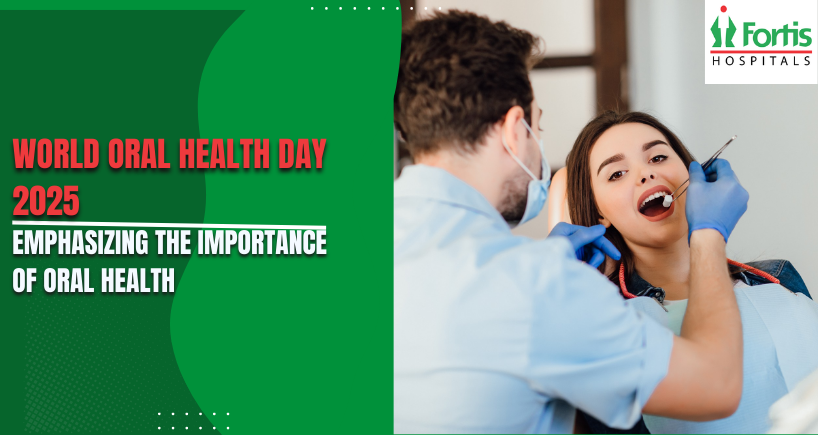


World Oral Health Day: Emphasizing the Importance of Oral Health
We often think of health in terms of major organs – the heart, the lungs, the brain. But there is a critical gateway to our overall well-being that is frequently overlooked: our mouth. It is the starting point for nutrition, a key player in communication, and a surprisingly accurate mirror reflecting our general health. Yet, oral health often takes a backseat in our wellness priorities. This is precisely why a dedicated global awareness day was established.
Every year on March 20th, the world comes together to celebrate World Oral Health Day. It is more than just a reminder to brush and floss; it is a global call to action. It is a day dedicated to empowering people with the knowledge and tools to take control of their oral health, recognizing that a healthy mouth is fundamental to a healthy body and a happy life.
What Is World Oral Health Day?
World Oral Health Day (WOHD) is the largest global awareness campaign dedicated to promoting good oral health. Spearheaded by the FDI World Dental Federation, an organization representing over a million dentists worldwide, this annual event takes place on March 20th.
The primary goal of WOHD is to raise global awareness about the prevention and control of oral diseases. It aims to educate the public, policymakers, and healthcare professionals about the critical link between oral health and overall health. The campaign encourages individuals to adopt good oral hygiene habits, seek regular dental check-ups, and make informed decisions about their health. It emphasizes that simple, preventative measures can save individuals from pain, discomfort, and the significant costs associated with treating advanced dental problems. The date, 3/20, was chosen to reflect key messages: seniors should have 20 natural teeth at the end of their life, children should possess 20 baby teeth, and healthy adults must have 32 teeth and 0 dental cavities.
The Mouth-Body Connection: Why Oral Health Matters
The importance of World Health Oral Day lies in its central message: your mouth is not separate from the rest of your body. It is intricately connected, and the health of one directly impacts the health of the other. Poor oral hygiene can lead to problems far beyond cavities and bad breath.
Think of your mouth as a gateway teeming with bacteria. Most are harmless, but without proper care, harmful bacteria can multiply. This can lead to gum infections (periodontal disease). The inflammation caused by gum disease does not just stay in your mouth. Bacteria and inflammatory mediators can enter your bloodstream and travel throughout your body, contributing to a host of serious systemic health issues:
Cardiovascular Disease: Chronic inflammation from gum disease is linked to an increased risk of heart disease, stroke, and atherosclerosis (hardening of the arteries).
Diabetes: The relationship is a two-way street. Gum disease can make it harder to control blood sugar levels, and uncontrolled diabetes makes individuals more susceptible to severe gum infections.
Respiratory Infections: Bacteria from infected gums can be inhaled into the lungs, potentially leading to pneumonia or worsening chronic obstructive pulmonary disease (COPD).
Pregnancy Complications: Poor oral health during pregnancy has been linked to premature birth and low birth weight.
Recognizing this profound mouth-body connection underscores why celebrating oral health day is not just about teeth, but about comprehensive wellness.
Common Oral Health Problems We Need to Address
World Oral Health Day serves as a vital platform to highlight the most prevalent oral health issues affecting people globally. Awareness is the first step toward prevention.
Dental Caries (Cavities): This is the most common chronic disease worldwide. Caused by bacteria feeding on sugars and producing acids that erode tooth enamel, cavities can lead to pain, infection, and tooth loss if left untreated.
Periodontal (Gum) Disease: This starts as gingivitis (inflammation of the gums) and can progress to periodontitis, a more severe infection that damages the soft tissues and bone supporting the teeth, eventually leading to tooth loss. It is a major cause of tooth loss in adults.
Oral Cancer: Cancers of the mouth, throat, and lips are a serious concern. Key risk factors include tobacco use (smoking and smokeless), excessive alcohol consumption, and infection with certain types of human papillomavirus (HPV). Early detection is critical for successful treatment.
Tooth Loss: Losing teeth significantly impacts nutrition, speech, self-esteem, and overall quality of life. While often seen as an inevitable part of aging, most tooth loss is preventable with good oral hygiene and regular dental care.
Key Messages of World Oral Health Day
Each year, World Oral Health Day focuses on specific themes, but the core messages remain consistent and universally applicable. These messages form the foundation of lifelong oral health.
Practice Good Oral Hygiene: This is non-negotiable. Brush your teeth thoroughly twice a day with fluoride toothpaste for at least two minutes each time. Clean between your teeth daily using floss or interdental brushes.
Visit Your Dentist Regularly: Schedule check-ups and cleanings at least once a year, or as recommended by your dental professional. Regular visits allow for early detection and treatment of problems before they become serious.
Eat a Healthy, Balanced Diet: Limit your intake of sugary foods and drinks, as sugar fuels the bacteria that cause cavities. Choose water over sugary beverages. A diet rich in fruits, vegetables, lean proteins, and dairy products supports both oral and overall health.
Avoid Tobacco and Limit Alcohol: Tobacco use in any form dramatically increases the risk of gum disease and oral cancer. Excessive alcohol consumption is also a major risk factor for oral cancer and can contribute to tooth decay and erosion.
Celebrating World Oral Health Day: Taking Action
World Oral Health Day is not just about learning; it is about doing. It is an opportunity for individuals, families, schools, and communities to take concrete steps toward better oral health.
For Individuals: Make a commitment to improve your own routine. Start flossing daily if you are not already. Schedule that overdue dental appointment. Swap out sugary snacks for healthier options.
For Families: Make oral hygiene a family affair. Brush together with young children to ensure they are using the correct technique. Educate older children about the importance of limiting sugary drinks.
Spread the Word: Share information about oral health day with your friends and social networks. Encourage others to prioritize their oral health. Many dental clinics and organizations host free screening camps or educational events around March 20th – participate if you can.
A Lifetime Commitment to a Healthy Smile
Your oral health is a precious asset that requires consistent care throughout your life. It impacts how you eat, speak, smile, and feel about yourself. Good habits established today lay the foundation for a lifetime of healthy smiles.
World Oral Health Day serves as an annual catalyst, reminding us of the simple yet profound steps we can take. Let this day inspire you to make your oral health a priority, not just on March 20th, but every single day of the year.
Frequently Asked Questions
Q1. Why is fluoride important for teeth?
Ans. Fluoride is a natural mineral that strengthens tooth enamel, making it more resistant to the acid attacks that cause cavities. It can even reverse very early stages of tooth decay. Using fluoride toothpaste is one of the most effective ways to prevent cavities.
Q2. How often should I really go to the dentist?
Ans. The general recommendation is once or twice a year for a check-up and cleaning. However, your dentist may recommend more frequent visits based on your individual risk factors for cavities or gum disease. Regular visits are crucial for early detection.
Q3. Are electric toothbrushes better than manual ones?
Ans. Both electric and manual toothbrushes can be effective if used correctly. Electric toothbrushes can make it easier to brush thoroughly for the recommended two minutes and may be more effective at removing plaque for some people. The most important factor is using the proper technique and brushing consistently.
Q4. What are the first signs of gum disease?
Ans. The earliest stage of gum disease is gingivitis. Key signs include gums that are red, swollen, tender, or bleed easily when you brush or floss. Persistent bad breath can also be a sign. If caught early, gingivitis is usually reversible with improved oral hygiene and professional cleaning.
Categories
Clear allRelated Blogs
View all


Root Canal Treatment: Why It’s Done, How It Works, and Risks Involved


Understanding Orthodontics: Its Role in Dental Health and Treatment Options



Keep track of your appointments, get updates & more!

