



Urinary Tract Infections in Men - Symptoms and Prevention Tips
Medicine Made Simple Summary
Urinary Tract Infections (UTIs) are often thought of as a women’s issue, but men can get them too — especially as they age. A UTI happens when bacteria enter the urinary tract and cause inflammation in the bladder, urethra, or kidneys. Symptoms can include burning while urinating, frequent urges to pee, and lower abdominal pain. In this article, we’ll explain what causes UTIs in men, how to recognize symptoms early, and what treatments and home remedies can help you recover quickly and prevent recurrence.
Understanding Urinary Tract Infections (UTIs) in Men
A urinary tract infection (UTI) occurs when harmful bacteria enter the urinary system, which includes the kidneys, ureters, bladder, and urethra. In men, UTIs are less common than in women due to the longer urethra, which provides more protection. However, when they do occur, they often indicate an underlying condition such as an enlarged prostate or urinary obstruction.
Men of any age can get a UTI, but the risk increases after age 50, when prostate problems become more common. Men who use urinary catheters, have kidney stones, or are sexually active are also more prone to infection.
How the Male Urinary System Works
Understanding how the urinary tract functions helps explain why infections can happen.
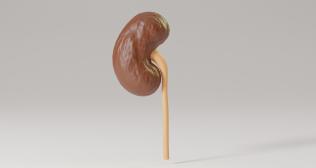
The kidneys filter waste from the blood to produce urine, which travels down the ureters into the bladder. The bladder stores urine until it’s released through the urethra. When bacteria — most commonly Escherichia coli (E. coli) from the intestines — enter through the urethra, they can multiply and irritate the lining of the urinary tract, leading to infection.
Common Causes of UTIs in Men
1. Bacterial Infections
The majority of UTIs in men are caused by E. coli, bacteria normally present in the intestines. Poor hygiene, sexual contact, or urinary blockage can allow these bacteria to enter the urinary tract.
2. Prostate Enlargement (BPH)
An enlarged prostate can compress the urethra, preventing complete bladder emptying. Stagnant urine becomes a breeding ground for bacteria.
3. Kidney Stones
Stones in the urinary tract can obstruct urine flow and cause bacteria to multiply.
4. Catheter Use or Medical Procedures
Men who use catheters or have undergone recent urinary tract surgery are at higher risk of infection due to direct bacterial entry.
5. Weakened Immunity or Diabetes
High blood sugar and a weakened immune system can make it easier for bacteria to thrive and cause recurrent infections.
Symptoms of a Urinary Tract Infection in Men
UTI symptoms in men can vary based on the infection site — whether it’s in the bladder, urethra, or kidneys — but common signs include:
- Burning or stinging while urinating
- Frequent urge to urinate, even with little output
- Cloudy or strong-smelling urine
- Pain or pressure in the lower abdomen or groin
- Blood in urine (hematuria)
- Fever, chills, or fatigue (if the infection spreads)
- Pain during ejaculation or discomfort in the pelvic area
If symptoms are ignored, the infection can spread to the kidneys, causing back pain, fever, and serious complications.
When to See a Doctor
Men should always take urinary symptoms seriously. A UTI in men is often classified as “complicated”, meaning medical evaluation is essential. See a doctor if you have:
- Fever, back pain, or chills
- Blood in urine
- Persistent pain during urination
- Difficulty urinating or weak stream
- Recurrent infections despite antibiotics
Ignoring these symptoms may lead to kidney infection (pyelonephritis) or prostatitis (inflammation of the prostate gland).
Diagnosis and Medical Evaluation
Doctors diagnose a UTI using a combination of:
- Urine test (urinalysis) – checks for bacteria, white blood cells, and nitrites.
- Urine culture – identifies the specific bacteria causing infection.
- Blood tests – assess infection severity or kidney involvement.
- Ultrasound or CT scan – may be needed if blockage or kidney stones are suspected.
In some cases, a prostate exam or cystoscopy (camera inspection of the bladder) is recommended for recurrent UTIs.
Treatment Options for UTI in Men
Antibiotics
Antibiotics are the main treatment. The choice and duration depend on the bacteria found in the urine culture. Common options include ciprofloxacin, trimethoprim-sulfamethoxazole, or amoxicillin-clavulanate.
Men typically need antibiotics for 7–14 days — longer than women — to ensure the infection clears completely.
Pain Relief and Hydration
Pain or burning can be managed with medications like phenazopyridine (urinary pain relief) and over-the-counter painkillers. Drinking plenty of water helps flush out bacteria naturally.
Treatment for Underlying Causes
If the UTI is due to an enlarged prostate or kidney stones, those conditions must be treated to prevent recurrence. This may involve medication, lifestyle changes, or minor surgical procedures.
Home Remedies and Self-Care Tips
While medical treatment is necessary, home care supports faster recovery:
- Drink plenty of water – at least 2–3 liters daily to dilute urine and flush bacteria.
- Urinate frequently – don’t hold urine for long periods.
- Practice good hygiene – wash the genital area daily and after sexual activity.
- Avoid irritants – reduce caffeine, alcohol, and spicy foods, which can irritate the bladder.
- Cranberry juice – may help prevent bacteria from adhering to the urinary tract (though not a cure).
- Probiotics – help restore healthy bacteria in the gut and urinary tract.
Possible Complications of Untreated UTI in Men
Ignoring a UTI can lead to more serious conditions:
- Kidney infection (Pyelonephritis) – bacteria spread upward to the kidneys, causing fever, flank pain, and vomiting.
- Prostatitis – infection of the prostate gland leading to pelvic pain and sexual dysfunction.
- Sepsis – if infection spreads into the bloodstream, it can become life-threatening.
That’s why men should never rely solely on home remedies or delay medical care.
Prevention Tips: How to Avoid UTIs in Men
- Stay Hydrated: Regular urination helps flush out bacteria before they settle in.
- Empty the Bladder Completely: Avoid rushing during urination.
- Good Hygiene: Clean the genital area properly, especially after sex or bowel movements.
- Safe Sex Practices: Use condoms and urinate after intercourse to reduce bacterial entry.
- Manage Prostate Health: Get regular checkups after age 50 to detect enlargement early.
- Control Blood Sugar: For diabetic men, maintaining stable glucose levels lowers infection risk.
Conclusion
If you’re experiencing burning while urinating, cloudy urine, or frequent urges to pee, don’t wait for it to pass. Schedule a checkup with your doctor or urologist today. With proper diagnosis and treatment, most UTIs resolve within days — but ignoring them can cause serious complications. Stay hydrated, maintain good hygiene, and take prescribed antibiotics exactly as directed to keep your urinary system healthy and infection-free.
Categories
Clear allRelated Blogs
View all



Adult Circumcision: Debunking Facts and Myths | Fortis Health Connect Blogs
Is Beer Good for Kidney Stones ? - Myths Vs Facts | Fortis Healthcare






Keep track of your appointments, get updates & more!

