
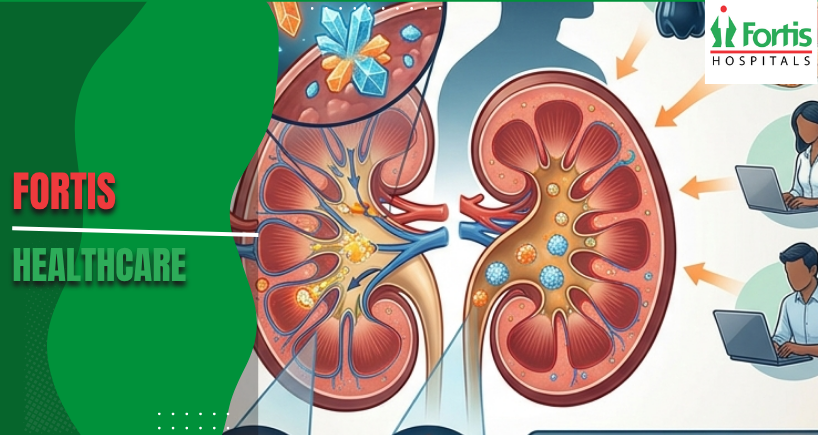


Why Kidney Stones Are Becoming Common in Younger Adults
Kidney stones were once considered a health condition mostly seen in middle-aged adults. Today, however, doctors across India are witnessing a noticeable rise in kidney stone cases among people in their 20s and 30s.
Long working hours, poor hydration, unhealthy eating habits, excessive salt intake, processed foods, and sedentary lifestyles are contributing to this growing trend. In many cases, younger adults ignore early symptoms until the pain becomes severe enough to require emergency care.
While kidney stones can be extremely painful, early diagnosis and lifestyle changes can help prevent complications and reduce the risk of recurrence.
What Are Kidney Stones?
Kidney stones are hard mineral and salt deposits that form inside the kidneys when certain substances in urine become highly concentrated.
These stones can vary in size. Some are as small as grains of sand, while others can grow large enough to block the urinary tract.
The most common types include:
- Calcium stones
- Uric acid stones
- Struvite stones
- Cystine stones
Calcium stones are the most frequently diagnosed type in India.
Why Are Kidney Stones Increasing Among Younger Adults?
Several modern lifestyle habits are contributing to the rise of kidney stones in younger populations.
Poor Hydration
One of the biggest reasons is inadequate water intake.
Many young professionals spend long hours in offices, travel frequently, or consume more caffeinated beverages than water. Dehydration concentrates minerals in the urine, increasing the risk of stone formation.
Hot weather conditions in many parts of India can further worsen dehydration.
High Salt and Processed Food Intake
Fast food, packaged snacks, instant meals, and processed foods often contain excessive sodium.
High salt intake increases calcium levels in urine, which can contribute to stone formation over time.
Increased Consumption of Sugary Drinks
Soft drinks, energy drinks, and sugary beverages may increase the risk of kidney stones, especially when consumed regularly instead of water.
Some beverages also contain high fructose levels, which may contribute to uric acid stone formation.
Sedentary Lifestyle
Physical inactivity affects overall metabolism and can increase the risk of obesity, another important risk factor linked to kidney stones.
Young adults spending prolonged hours sitting at desks or using screens may unknowingly increase their vulnerability.
High-Protein Diets and Gym Supplements
High-protein diets, excessive protein powders, and certain supplements can increase uric acid levels and place additional stress on the kidneys.
Fitness-focused diets without proper hydration may sometimes contribute to stone development.
Family History and Genetics
People with a family history of kidney stones may have a higher chance of developing them, especially when combined with lifestyle-related risk factors.
Common Symptoms of Kidney Stones
Symptoms can vary depending on the size and location of the stone.
Some of the most common warning signs include:
- Severe pain in the lower back or side
- Pain that radiates toward the groin
- Burning sensation during urination
- Blood in the urine
- Frequent urge to urinate
- Cloudy or foul-smelling urine
- Nausea or vomiting
- Fever and chills in cases of infection
The pain caused by kidney stones is often sudden and intense, commonly referred to as renal colic.
Can Kidney Stones Occur Without Symptoms?
Yes.
Small stones may remain unnoticed and pass naturally through urine without causing significant discomfort. In some cases, stones are detected incidentally during routine health check-ups or imaging tests.
However, larger stones can block urine flow and lead to severe pain, infection, or kidney damage if left untreated.
How Are Kidney Stones Diagnosed?
Doctors may recommend several tests to confirm the presence of kidney stones.
Urine Tests
These help identify:
- Blood in urine
- Mineral imbalance
- Signs of infection
Blood Tests
Blood investigations may assess:
- Kidney function
- Calcium levels
- Uric acid levels
Imaging Tests
Ultrasound, CT scans, or X-rays help determine:
- Stone size
- Location
- Degree of obstruction
At Fortis Hospital Delhi, advanced imaging and minimally invasive diagnostic techniques help specialists accurately evaluate kidney stones and plan personalised treatment.
Treatment Options for Kidney Stones
Treatment depends on the size, type, and location of the stone.
Increased Fluid Intake
Small stones often pass naturally with:
- Adequate hydration
- Pain management
- Medical supervision
Medications
Doctors may prescribe medicines to:
- Reduce pain
- Relax urinary tract muscles
- Help stones pass more easily
Shock Wave Lithotripsy (SWL)
This non-invasive procedure uses sound waves to break stones into smaller fragments that can pass naturally.
Ureteroscopy
A thin instrument is inserted through the urinary tract to remove or break stones.
Percutaneous Nephrolithotomy (PCNL)
Larger or complex stones may require minimally invasive surgical removal through a small incision.
Modern kidney stone treatment focuses on reducing pain, preventing complications, and minimising recovery time.
Can Kidney Stones Be Prevented?
In many cases, yes.
Lifestyle changes play a major role in prevention, especially for younger adults who may be at risk of recurrent stones.
Drink Enough Water
Hydration remains the most effective preventive measure.
Most adults should aim for sufficient fluid intake throughout the day, especially during summer months.
Reduce Salt Intake
Limiting processed foods and packaged snacks can help reduce calcium buildup in urine.
Moderate Protein Consumption
Excessive intake of red meat and protein supplements should be avoided unless medically advised.
Limit Sugary Beverages
Replacing soft drinks with water or healthier alternatives can support kidney health.
Maintain a Healthy Weight
Regular exercise and balanced nutrition help lower stone risk.
Avoid Delaying Urination
Holding urine for long periods may increase urinary tract complications.
Why Early Treatment Matters
Ignoring kidney stone symptoms can lead to:
- Urinary tract infections
- Kidney swelling
- Persistent pain
- Blocked urine flow
- Kidney damage in severe cases
Early diagnosis and timely treatment can help prevent complications and improve long-term kidney health.
Conclusion
Kidney stones are no longer limited to older adults. Lifestyle changes, poor hydration, unhealthy diets, and rising metabolic disorders are making younger Indians increasingly vulnerable to this painful condition.
The good news is that kidney stones are often preventable with timely lifestyle modifications, proper hydration, and early medical attention. Recognising symptoms early and seeking expert care can help prevent complications and reduce the risk of recurrence.
If you are experiencing symptoms such as persistent back pain, burning urination, or blood in the urine, consulting a kidney specialist at Fortis Healthcare can help ensure timely diagnosis and effective treatment.
Categories
Clear allMeet the doctor

- Urology | Uro-Oncology | Kidney Transplant | Paediatric Urology | Urology | Robotic Surgery
-
 10 Years
-
 1500
1500
Related Blogs
View all



Adult Circumcision: Debunking Facts and Myths | Fortis Health Connect Blogs
Is Beer Good for Kidney Stones ? - Myths Vs Facts | Fortis Healthcare



Quick Enquiry Form
FAQs
Why are kidney stones becoming more common in younger adults?
Poor hydration, processed foods, sedentary lifestyles, obesity, and dietary habits are major contributors to rising kidney stone cases among younger adults.
Can dehydration really cause kidney stones?
Yes. Inadequate water intake concentrates minerals in urine, increasing the likelihood of stone formation.
Are kidney stones always painful?
Not always. Small stones may pass without symptoms, while larger stones can cause severe pain and urinary problems.
Can kidney stones come back?
Yes. Many people experience recurrent kidney stones, especially without lifestyle changes and preventive care.
When should I see a doctor for kidney stone symptoms?
You should seek medical attention if you experience severe pain, blood in urine, fever, vomiting, or difficulty urinating.

Keep track of your appointments, get updates & more!

