
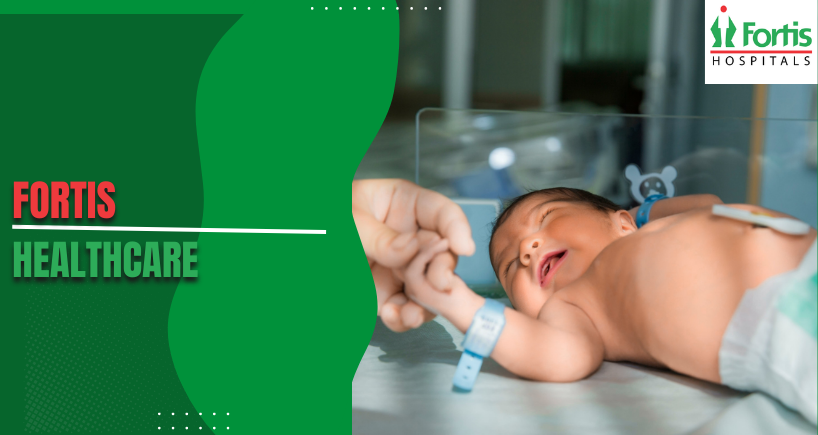


World Birth Defects Day 2026: Importance Of Prenatal Screening And Care
Around eight million babies are born globally each year with a birth defect; for the most part, families find out about these unexpectedly – either during or shortly after delivery. A good many of these cases, though, could be found, dealt with, or, in some instances, stopped from happening through planned care during pregnancy.
World Birth Defects Day 2026 draws the world’s attention to the difference between what prenatal medicine is now able to do and how often these services get to the families who are expecting. Specialists in paediatrics and in care of mother and developing child have made a great deal of progress in being able to identify problems, however it’s only those families who get care early who can make use of this progress.
What Birth Defects Actually Encompass
This is a broad term for issues with structure, function and chromosomes which are present before birth. Structural defects are malformations of the body or its parts – congenital heart disease, neural tube defects, cleft lip and palate, and problems with limbs are examples. Functional defects – less obvious at birth – affect the way systems in the body work, and include metabolic diseases and some types of deafness.
Chromosomal problems arise from errors in the number or structure of chromosomes during cell division. Down syndrome, from an extra chromosome 21, is the best-known case. Edwards and Patau syndromes, linked to chromosomes 18 and 13 respectively, lead to more serious developmental issues and can be found through prenatal screening tests.
When Screening Begins and Why Timing Matters
Screening in the first three months of pregnancy, between weeks eleven and thirteen, combines a nuchal translucency ultrasound scan with blood tests from the mother to judge the chances of chromosomal issues. This is also the point at which the developing baby’s body can first be properly assessed for major structural defects. Going to antenatal care early decides whether this point can be reached.
The combined first-trimester screen works out levels of risk, and does not give certain diagnoses. A high-probability result leads to being sent for diagnostic tests. Prenatal Screening tests also find some structural problems, like anencephaly and serious heart defects, letting families get specialist advice and organise birth in a suitable hospital.
Second-Trimester Screening and Anatomy Surveys
The anomaly scan between eighteen and twenty weeks is the most detailed look at the baby’s body that standard ultrasound can provide. Skilled sonographers methodically check the brain, spine, heart, abdominal organs, limbs and face for structural problems. This check finds most major defects in the baby in countries with good resources and skilled people doing the scans.
The quad screen blood test in the second three months looks at four biochemical markers to improve the estimates of chromosomal risk – especially in women who did not have first-trimester screening. It also screens for neural tube defects through high levels of alpha-fetoprotein. Birth defects prevention includes taking folic acid, as this directly lowers the number of neural tube defects when taken before becoming pregnant and in early pregnancy.
Cell-Free DNA Testing: What It Can and Cannot Do
Non-invasive prenatal testing – which looks at pieces of the baby’s DNA in the mother’s blood – is very good at finding common chromosomal trisomies like Down, Edwards and Patau syndromes. It can be done from ten weeks on and has no risk to the pregnancy. It is a screening tool, not a diagnostic one, and a positive result needs to be confirmed by invasive testing.
NIPT does not replace the anatomy scan, or find structural birth defects. Families occasionally suppose that a normal NIPT outcome signifies that all significant issues have been ruled out; this isn’t the case. It’s vital to understand what each kind of test can and cannot do, so that people can take part in prenatal screening tests in an informed way, and this should regularly be part of care during pregnancy.
Invasive Diagnostic Testing When Indicated
Chorionic villus sampling – done between eleven and thirteen weeks – gets a little bit of placental material to be examined for chromosome and genetic problems. Amniocentesis, which is done after fifteen weeks, takes a sample of the amniotic fluid around the baby. Both of these give a firm diagnosis of chromosome problems when screening shows there’s a higher than average chance of something being wrong.
These steps do have a small, but genuine, risk of something going wrong. Talking about the balance between the risks and the benefits, given the family’s own situation, what they value, and why the test is being done, is a conversation which needs both time and skill.
The teams who look after mothers and babies, and the paediatrics, work together to give counselling before and after the test, to help families make choices which they understand, throughout the whole process.
Conditions Where Early Detection Changes Outcomes
Congenital heart disease is the most frequent type of structural birth defect, and is the one where finding it during pregnancy has the most direct effect on the outcome. Some heart problems need the baby to be born at a hospital which has immediate access to baby heart surgery. Families who know about a diagnosis during pregnancy can arrange to have the birth at the right hospital, avoiding having to be moved in an emergency – and the problems that come with that.
Problems with the baby’s urinary system, including obstructive uropathy, can – in some cases – be treated while the baby is still in the womb, or they may need surgery after birth, which benefits from preparation in advance. The same is true of gastroschisis, a problem with the stomach wall where the bowels come out of the body, which requires quick surgery for the newborn. Knowing this in advance means a surgical team can be at the birth.
The Preventable Component of Birth Defects
Birth defects prevention by using folic acid around the time of conception is one of the most efficient and cheap things public health can do for mothers’ health. Neural tube defects – including spina bifida and anencephaly – happen in the first four weeks of the baby’s development, often before a woman knows she’s pregnant. That’s why folic acid supplements are suggested for all women who are planning a pregnancy, and not just after a test comes back positive.
Rubella vaccination before pregnancy prevents congenital rubella syndrome, which causes deafness, heart defects, and cataracts in babies who are affected. Good control of diabetes before and during pregnancy lowers the higher risk of heart, kidney, and bone problems which are linked to bad blood sugar control in the first three months. These things need people to use healthcare before they get pregnant – which is exactly what care before pregnancy is for.
Supporting Families After a Prenatal Diagnosis
Finding out that the baby has a problem during pregnancy is a very hard thing to go through. Families need to be able to get correct information, genetic counselling, honest talk about what will happen, and time to think about their choices before they decide what to do. How good that help is decides how able families feel to deal with what happens next, whatever the specific problem is.
Paediatrics Specialists who meet families during pregnancy when a diagnosis of a problem with the baby is known can explain what to expect after the birth, what the first few hours and days will be like, and what the first steps in looking after the baby will be. This link between diagnosis during pregnancy and care after birth is a model of help which significantly reduces the shock and confusion families feel at the birth when a problem was known, but the care after birth wasn’t explained beforehand.
Categories
Clear allRelated Blogs
View all

Bacterial Vaginosis: Causes, Symptoms And Treatment


Awareness, Breast Self-Examination And Regular Screening Examination Can Change The Life o...

Hormonal Imbalance: Symptoms, Causes And Treatment

Evolution of Gynae & Cancer Surgeries With Robotics

Know The Top 11 Benefits of Antenatal Exercises

Keep track of your appointments, get updates & more!

