
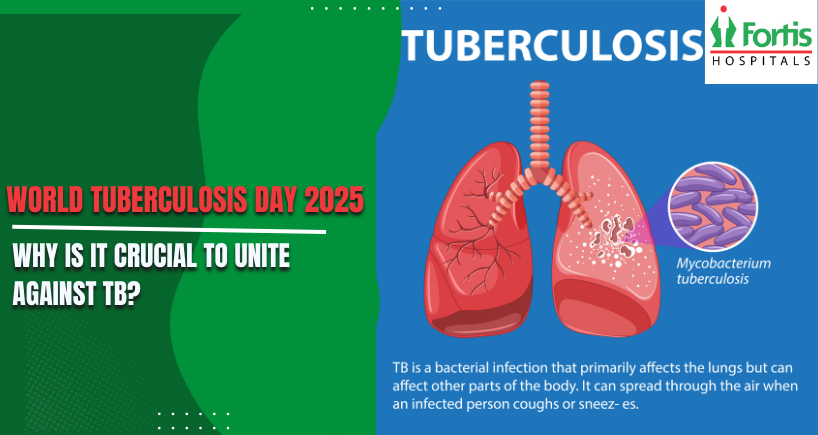


World Tuberculosis Day: Why Is It Crucial to Unite Against TB?
For centuries, it was known as "consumption," a devastating illness that seemed to waste people away from the inside out. Today, we know it as tuberculosis (TB), a disease caused by a bacterium that, despite being curable and preventable, continues to cast a long shadow over global health. Each year, millions fall ill, and tragically, millions still lose their lives to this ancient foe. This persistent impact underscores the critical importance of global solidarity and awareness, themes that take center stage every March 24th on World Tuberculosis Day.
As we approach World Tuberculosis Day, the call to unite against TB is more urgent than ever. It is a day not just for reflection, but for action. It is a reminder that ending this epidemic requires a collective effort, a shared commitment to raising TB awareness, combating stigma, and ensuring everyone, everywhere, has access to the care they need. Understanding why this unity is so crucial is the first step toward building a healthier future for all.
Understanding Tuberculosis: The Enduring Adversary
Before we can effectively fight TB, we must understand it. Tuberculosis is an infectious disease caused by a bacterium called Mycobacterium tuberculosis. While it most commonly affects the lungs (pulmonary TB), it can also attack other parts of the body, such as the kidneys, spine, and brain (extrapulmonary TB).
TB spreads through the air when a person with active pulmonary TB coughs, sneezes, speaks, or sings, releasing tiny droplets containing the bacteria. If another person inhales these droplets, they can become infected. However, not everyone infected with TB bacteria becomes sick. This leads to two important distinctions:
Latent TB Infection: The bacteria are present in the body but are dormant, kept in check by the immune system. People with latent TB have no symptoms and cannot spread the disease. However, they are at risk of developing active TB later in life if their immune system weakens.
Active TB Disease: The bacteria are multiplying and causing symptoms. People with active pulmonary TB are infectious and can spread the disease to others. Classic symptoms include a persistent cough (often lasting three weeks or longer), chest pain, coughing up blood or sputum, weakness or fatigue, weight loss, lack of appetite, chills, fever, and night sweats.
The Significance of World Tuberculosis Day
Why March 24th? This date commemorates the day in 1882 when Dr. Robert Koch announced his groundbreaking discovery of the bacterium that causes tuberculosis. This discovery opened the door to diagnosing and eventually curing this devastating disease. Tuberculosis Day serves several vital purposes:
Raising Awareness: It aims to put TB back in the spotlight, educating the public about its devastating health, social, and economic consequences. Increased tuberculosis awareness is fundamental to overcoming stigma and encouraging early diagnosis.
Mobilizing Resources: It serves as a call to action for governments, policymakers, and donors to step up political and financial commitments to fight TB.
Celebrating Progress: It is an opportunity to recognize the incredible efforts of healthcare workers, researchers, community volunteers, and survivors in the fight against TB.
Remembering Victims: It is a day to remember the millions who lose their lives to TB each year and to strengthen our resolve to prevent further suffering.
Promoting Prevention and Care: It highlights the importance of TB prevention strategies and the availability of effective treatment, encouraging people with symptoms to seek care without delay. Many tuberculosis awareness program initiatives are launched or highlighted around this time.
The Ongoing Threat: Why TB Still Matters
Despite significant progress over the decades, TB remains one of the world's deadliest infectious diseases. Millions of people develop active TB each year, and the disease continues to claim far too many lives, particularly in low- and middle-income countries.
Several factors contribute to its persistence:
Poverty and Malnutrition: TB disproportionately affects vulnerable populations living in poverty, where malnutrition and poor living conditions weaken immune systems.
HIV Co-infection: People living with HIV are much more susceptible to developing active TB, and TB is a leading cause of death among people with HIV.
Drug-Resistant TB (DR-TB): Strains of TB that are resistant to standard first-line drugs pose a significant threat. Treating DR-TB is much longer, more complex, more toxic, and far more expensive.
Stigma and Discrimination: Fear and misinformation surrounding TB can prevent people from seeking timely diagnosis and care, leading to further transmission.
Unity Is Our Strongest Weapon
Ending the TB epidemic is not a task for one country or one organization alone. The theme of unity, often central to World Tuberculosis Day, is crucial for several reasons:
Shared Vulnerability: TB anywhere is a threat everywhere. In our interconnected world, infectious diseases do not respect borders.
Addressing Inequity: TB thrives on inequality. A united front is needed to address the social determinants of health – poverty, access to healthcare, nutrition – that fuel the epidemic.
Accelerating Research: Collaboration among scientists, researchers, and funding bodies is essential to develop faster diagnostics, shorter and safer treatment regimens, and a more effective vaccine.
Strengthening Health Systems: Combating TB requires robust primary healthcare systems capable of diagnosing, treating, and preventing the disease at the community level. This requires sustained investment and political will.
Combating Stigma: Uniting communities, healthcare providers, and leaders to challenge misinformation and stigma is vital. Creating a supportive environment encourages people to seek care without fear.
Your Role in the Fight Against TB
Everyone has a role to play in ending the TB epidemic. Promoting TB awareness starts with individual action.
Know the Symptoms: Be aware of the signs of active TB disease. Encourage friends and family with persistent coughs or other symptoms to seek medical attention.
Seek Timely Diagnosis and Treatment: If you have symptoms, get tested. If diagnosed with latent or active TB, complete the full course of treatment exactly as prescribed. TB is curable, but adherence to treatment is critical.
Support Patients: Offer compassion and support to those affected by TB. Challenge stigma and discrimination in your community.
Educate Others: Share accurate information about TB prevention and treatment. Participate in local tuberculosis awareness events.
Advocate for Action: Encourage local and national leaders to prioritize TB funding and programs.
A Collective Push Towards Elimination
World Tuberculosis Day is more than an observance; it is a global rallying cry. It reminds us that despite the challenges, ending the TB epidemic is achievable. It requires sustained commitment, scientific innovation, and above all, unity.
Let us use this day to renew our collective resolve. By working together – across borders, sectors, and communities – we can raise tuberculosis awareness, fight stigma, ensure access to care, and move closer to a future free from this devastating disease.
Frequently Asked Questions
Q1. What is the theme for World Tuberculosis Day?
Ans. The official theme for World Tuberculosis Day is usually announced by the World Health Organization (WHO) and partner organizations closer to the date. Themes often focus on aspects like unity, investment, leadership, or ending stigma. Please check official public health websites for the 2025 theme announcement.
Q2. Is tuberculosis curable?
Ans. Yes, absolutely. Active TB disease is curable with a standard course of antibiotic treatment that typically lasts for six months. It is crucial to take all medications exactly as prescribed for the entire duration to ensure a full cure and prevent the development of drug resistance.
Q3. How is TB diagnosed?
Ans. Diagnosis involves a combination of methods. A medical history and physical exam are the first steps. Common tests include a skin test (TST) or blood test (IGRA) to detect infection, a chest X-ray to look for lung changes, and sputum tests (smear microscopy and molecular tests like GeneXpert) to confirm the presence of TB bacteria.
Q4. How can I get involved in TB awareness efforts?
Ans. You can participate in local events organized for World Tuberculosis Day, share accurate information from reputable sources (like the WHO or your local health department) on social media, volunteer with community health organizations working on TB, or simply talk openly about TB to help reduce stigma among your friends and family.
Categories
Clear allRelated Blogs
View all








Keep track of your appointments, get updates & more!

