

Cholecystectomy (Gallbladder Removal): A Guide to Surgical Treatment
A cholecystectomy is the surgical removal of the gallbladder, a small, pear-shaped organ situated beneath the liver. This procedure is one of the most common general surgeries performed and is the definitive treatment for gallstone disease and its related complications. Gallstones are hardened deposits that can form in the gallbladder, and while they may sometimes cause no symptoms, they frequently lead to severe pain, inflammation, or infection. A cholecystectomy is recommended when these gallstones begin to cause significant problems, providing a permanent solution by removing the organ where the stones are formed and stored. This alleviates the current symptoms and prevents future, potentially more serious, complications from occurring.
The vast majority of cholecystectomies today are performed using a minimally invasive technique known as laparoscopic cholecystectomy. This "keyhole" surgery involves several small incisions instead of one large one, resulting in significantly less pain, a shorter hospital stay, a faster recovery, and minimal scarring. While an open surgical approach is still necessary in some complex cases, the laparoscopic method has revolutionized the treatment of gallbladder disease, making it a safer and more comfortable experience for patients. This comprehensive guide will explore the function of the gallbladder, the problems gallstones can cause, the details of the surgical procedures, and what to expect on your journey to recovery.
Understanding the Gallbladder and Gallstone Disease
To understand why a cholecystectomy is necessary, it is important to first understand the role of the gallbladder and the nature of the disease that affects it.
Anatomy and Function of the Biliary System
- The Liver: Your liver is a large, vital organ that, among its hundreds of functions, constantly produces a digestive fluid called bile.
- Bile: Bile is a complex fluid that acts like a detergent to break down and digest fats in the food you eat.
- The Bile Ducts: Bile travels from the liver through a network of small tubes called bile ducts.
- The Gallbladder: The gallbladder is a small, hollow organ connected to this system of ducts. Its primary job is not to produce bile, but to act as a storage reservoir. It collects bile from the liver, concentrates it by absorbing water, and then, in response to a meal containing fat, it contracts and squeezes this concentrated bile into the small intestine to aid in digestion.
The Pathophysiology of Gallstone Formation (Cholelithiasis)
Gallstones form when the delicate chemical balance within the bile is disrupted. Bile is composed of water, cholesterol, fats, bile salts, and a pigment called bilirubin. If the bile becomes supersaturated with any of its components, it can crystallize and form stones.
- Cholesterol Stones: These are the most common type, accounting for about 80% of all gallstones. They form when the bile contains too much cholesterol, too little bile salts, or when the gallbladder does not empty properly. They are typically yellowish-green in color.
- Pigment Stones: These are smaller, darker stones made of bilirubin. They tend to form in individuals with certain medical conditions, such as cirrhosis or inherited blood disorders like sickle cell anemia, which cause an excess of bilirubin in the bile.
The Spectrum of Gallstone Disease
- Asymptomatic Gallstones: Many people have gallstones and are completely unaware of them. If the stones are not causing any symptoms, they are often found incidentally on an ultrasound done for another reason, and no immediate treatment is typically required.
- Biliary Colic: This is the classic symptom of gallstone disease. It is not a constant pain, but rather a severe, episodic pain that occurs when a gallstone temporarily blocks the duct leading out of the gallbladder. This usually happens after eating a fatty meal, which triggers the gallbladder to contract against the blockage. The pain is typically intense, located in the upper right or center of the abdomen, and can radiate to the back or right shoulder. An episode can last from 30 minutes to several hours.
- Acute Cholecystitis: This is a more serious condition where a gallstone becomes permanently lodged in the cystic duct, causing a persistent blockage. This leads to a buildup of pressure, inflammation, and often a bacterial infection of the gallbladder. It causes constant, severe pain, fever, nausea, and vomiting, and requires urgent medical attention.
- Choledocholithiasis: This occurs when a gallstone moves out of the gallbladder and becomes stuck in the main common bile duct, the tube that carries bile from both the liver and gallbladder to the small intestine. This can block the flow of bile from the liver, leading to jaundice yellowing of the skin and eyes, dark urine, pale stools, and a serious infection called cholangitis.
- Gallstone Pancreatitis: If a stone blocks the very end of the common bile duct, where it joins the pancreatic duct, it can cause digestive enzymes to back up into the pancreas, leading to a severe and potentially life-threatening inflammation of the pancreas.
What is a Cholecystectomy? The Surgical Techniques
A cholecystectomy is the definitive solution to prevent all of the complications of gallstone disease.
Laparoscopic Cholecystectomy (The Gold Standard)
This minimally invasive technique is the preferred method for over 95% of gallbladder removals.
- The Procedure: The surgery is performed under general anesthesia. The surgeon makes four small incisions in the abdomen. A tube is inserted through the first incision near the navel, and the abdomen is gently inflated with carbon dioxide gas. This creates a safe working space and lifts the abdominal wall away from the organs. A laparoscope, a thin tube with a high-definition camera and light source, is then inserted. This provides a magnified view of the internal organs on a large monitor.
- The surgeon inserts specialized, long, thin surgical instruments through the other small incisions, or ports. Watching the monitor, the surgeon carefully dissects the gallbladder, separating it from the liver and clipping the cystic duct and artery. The gallbladder is then placed in a small surgical bag and removed through one of the incisions. The gas is released, and the small incisions are closed.
Open Cholecystectomy
This is the traditional method, which is now reserved for specific situations.
- The Procedure: The surgeon makes a single, larger incision, typically 5 to 7 inches long, in the upper right abdomen, just below the ribs. The muscles are retracted to directly access and remove the gallbladder.
- When it is Necessary: An open surgery may be planned from the start if a patient has severe inflammation, a history of multiple previous abdominal surgeries causing extensive scar tissue, or in some cases of suspected gallbladder cancer. In a small number of cases, a surgeon may begin with a laparoscopic approach but may need to convert to an open procedure during the operation for safety reasons, such as unclear anatomy or unexpected inflammation.
The Cholecystectomy Procedure: A Detailed Walkthrough
The Consultation and Pre-Operative Workup
Your journey will begin with a consultation with a surgeon. They will review your medical history, symptoms, and the results of your abdominal ultrasound. They will explain the procedure in detail, discuss the risks and benefits, and answer all your questions. You may need some routine pre-operative blood tests and an ECG to ensure you are fit for general anesthesia.
Preparing for Your Surgery
- You must inform your surgeon of all medications you are taking, especially blood thinners.
- You will be instructed to stop eating and drinking for at least eight hours before your scheduled surgery time.
- Arrange for someone to drive you home from the hospital and to assist you for a day or two after you are discharged.
The Day of the Surgery
- Anesthesia: You will be placed under general anesthesia by an anesthesiologist, so you will be completely asleep and pain-free during the entire procedure.
- The Procedure: The surgeon will perform either the laparoscopic or open technique as planned. The laparoscopic procedure typically takes about one to two hours.
- Recovery Room: After the surgery is complete, you will be taken to a post-anesthesia care unit or recovery room. Nurses will monitor your vital signs closely as you wake up from the anesthesia.
After the Procedure: Recovery and Follow-Up
Recovery is significantly faster after a laparoscopic cholecystectomy compared to an open one.
In the Hospital
- Pain Management: You will have some abdominal soreness and possibly some shoulder pain. The shoulder pain is a common and temporary side effect caused by the carbon dioxide gas used during the procedure, which can irritate the diaphragm. This pain is well-managed with medication.
- Diet and Activity: You will be able to drink liquids soon after the surgery and will progress to a normal diet as tolerated. Nurses will help you to get out of bed and walk around within a few hours of the surgery to prevent blood clots.
- Discharge: Most patients who have a laparoscopic cholecystectomy are able to go home the same day or the next morning.
At Home
- Recovery Period: You can expect to feel tired and have some discomfort for a few days. Most people are able to return to a desk job and light daily activities within one to two weeks.
- Incision Care: You will need to keep the small incision sites clean and dry.
- Activity Restrictions: You must avoid any heavy lifting or strenuous activity for about four to six weeks to allow your body to heal fully.
Myths vs Facts
Take the Next Step
Living with the recurrent, painful attacks of gallstone disease can be a debilitating experience that disrupts your life and puts you at risk for more serious complications. A cholecystectomy is a safe and definitive solution that can provide you with complete and lasting relief. The advent of minimally invasive laparoscopic surgery has transformed this procedure, allowing for a much faster and more comfortable recovery.
If you have been diagnosed with symptomatic gallstones, the most important step is to have a thorough discussion with a qualified surgeon. They can help you understand the procedure and determine the best course of action to restore your digestive health and quality of life. Our team of expert general and laparoscopic surgeons is here to provide you with world-class care.
Specialities

Available Locations
View all-
 Fortis Escorts Hospital, Jaipur4.6
4.6


-
 Fortis Escorts Hospital, Faridabad4.7
4.7

-
 Fortis Escorts Hospital, Amritsar4.7
4.7
-
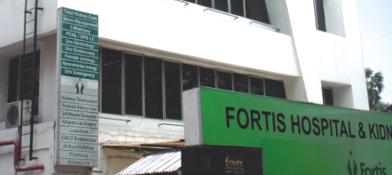 Fortis Hospital & Kidney Institute, Kolkata4.2
4.2
-
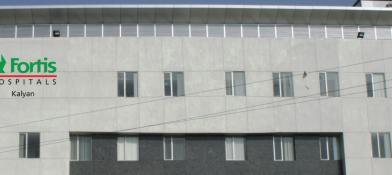 Fortis Hospital, Kalyan, Mumbai4.7
4.7
-
 Fortis Hospital Anandapur, Kolkata4.1
4.1
-
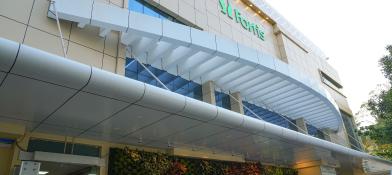 Fortis Nagarbhavi Bangalore4.7
4.7
-
 Fortis Hospital, Greater Noida4.5
4.5
-
 Fortis Escorts Heart Institute, New Delhi4.6
4.6
-
 Fortis Memorial Research Institute, Gurgaon4.6
4.6
-
 Fortis La Femme, Greater Kailash II, New Delhi4.1
4.1
-
 Fortis Hospital, Shalimar Bagh, New Delhi4.6
4.6
-
 Fortis Hospital, Rajajinagar, Bengaluru4.6
4.6
-
 Fortis Hospital, Noida
-
 Fortis Hospital, Mulund, Mumbai4.6
4.6
-
 Fortis Hospital, Mohali4.6
4.6
-
 Fortis Hospital CG Road Bangalore4.6
4.6
-
 Fortis Flt. Lt. Rajan Dhall Hospital, Vasant Kunj4.5
4.5
FAQ's
How long does a laparoscopic cholecystectomy take?
The surgical procedure itself typically takes about one to two hours to complete.
Will I have a lot of pain after the surgery?
You will have some post-operative soreness and discomfort, but it is generally much less severe than with an open surgery. The pain is well-controlled with prescribed oral pain medications and usually improves significantly within a few days.
When can I return to work?
This depends on the nature of your job. For a non-strenuous desk job, most people can return within one to two weeks. For a physically demanding job that involves heavy lifting, you will need to wait at least four to six weeks.
Do I need to follow a special diet after my gallbladder is removed?
There is no special, lifelong diet required after a cholecystectomy. Most people can return to their normal diet. In the first few weeks after surgery, it may be helpful to reintroduce fatty or rich foods gradually to allow your digestive system to adapt.
What happens to the bile after the gallbladder is removed?
Your liver continues to produce bile just as it did before. Instead of being stored in the gallbladder, the bile now trickles continuously from the liver, through the bile ducts, and directly into your small intestine to aid in digestion.
What are the main risks of the surgery?
Laparoscopic cholecystectomy is very safe. Potential risks are rare but include infection, bleeding, and a very small risk of injury to the common bile duct. Your surgeon will discuss all potential risks with you in detail during your consultation.
Can I live a normal, healthy life without my gallbladder?
Yes, absolutely. The gallbladder is considered a non-essential organ, and you can live a perfectly normal and healthy life without it. The removal of a diseased gallbladder that is causing problems will only improve your health and quality of life.
What happens if I have asymptomatic gallstones?
If you have gallstones but have never had any symptoms, surgery is usually not recommended. The approach is typically "watchful waiting." However, if you are in a high-risk group for developing complications, such as having a compromised immune system, your doctor may discuss the option of a prophylactic cholecystectomy.

Keep track of your appointments, get updates & more!

