
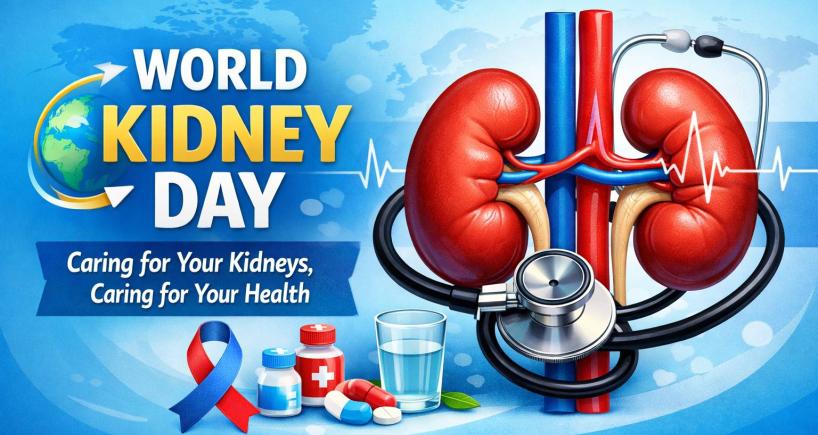


Kidney Health for All – Caring for People, Protecting the Planet
Every year, World Kidney Day serves as a reminder of how vital kidney health is to overall well-being. The 2026 theme, “Kidney Health for All – Caring for People, Protecting the Planet,” calls for a comprehensive and integrated approach to protecting kidney health across the world. It emphasizes the urgent need to reduce global disparities in access to kidney care while also making healthcare systems more environmentally sustainable.
Kidneys play a crucial role in maintaining the body’s balance. They filter waste products, regulate blood pressure, maintain fluid balance, and help produce important hormones. Despite their importance, kidney diseases often remain undetected until they reach advanced stages. Millions of people worldwide suffer from chronic kidney disease, many without even realizing it.
The 2026 theme highlights that improving kidney health requires action at multiple levels. Governments, healthcare systems, communities, and individuals must work together to promote prevention, strengthen healthcare infrastructure, encourage innovation, and protect the environment. By adopting sustainable healthcare practices and ensuring equitable access to quality care, the global community can move toward a future where kidney care is accessible to everyone and healthcare systems support both human and planetary health.
Our kidneys are incredibly valuable—like diamonds. Once they are significantly damaged, they often cannot be repaired. That is why prevention and healthy lifestyle choices are essential.
To protect your kidneys, follow these seven golden rules:
1. Don’t smoke
If you smoke, quitting now is one of the most important steps you can take for your overall health. Smoking damages blood vessels, reduces blood flow to the kidneys, and increases the risk of kidney disease.
2. Maintain healthy blood pressure, cholesterol, and blood sugar levels
Conditions such as hypertension and diabetes are among the leading causes of kidney disease. Regular monitoring and proper management can significantly reduce the risk of kidney damage.
3. Maintain a healthy weight
Being overweight or obese increases the risk of developing diabetes and high blood pressure, both of which can harm the kidneys. Maintaining a healthy weight through balanced nutrition and physical activity is key.
4. Eat a healthy diet and stay hydrated
Limit foods high in simple carbohydrates, saturated fats, and excessive salt. Instead, focus on a balanced diet rich in fruits, vegetables, whole grains, and lean proteins. Drinking plenty of water and fluids helps keep the kidneys functioning properly.
5. Avoid untested alternative therapies
Be cautious about treatments or remedies that are unscientific or not medically approved. Some alternative therapies may contain harmful substances that can damage the kidneys.
6. Avoid self-medication
Overuse of painkillers and certain anti-acidity medications can harm the kidneys when taken without medical supervision. Always consult a healthcare professional before using medications regularly.
7. Exercise regularly
Aim for at least 30 minutes of physical activity 4–5 times a week. Activities such as walking, cycling, swimming, or practicing yoga can help maintain overall health and support kidney function.
A Collective Responsibility
Protecting kidney health is not just an individual responsibility—it is a global priority. By raising awareness, encouraging preventive care, improving access to treatment, and adopting sustainable healthcare practices, we can build a healthier future for both people and the planet.
This World Kidney Day, take a moment to appreciate your kidneys—and commit to protecting them every day.
Dr. Sanjeev Gulati
MD, DNB, DM (Nephrology), FRCPC (Canada), MNAMS, FIPN, FIAP, FISN
CHAIRMAN- Nephrology & Kidney Transplant | Fortis Vasant Kunj
Categories
Clear allMeet the doctor

- Organ Transplant | Kidney Transplant
- Nephrology | Nephrology
-
 30 Years
-
 2200
2200
Related Blogs
View all






FAQs
What are the common causes of kidney disease?
The most common causes of kidney disease include:
Diabetes
High blood pressure (hypertension)
Obesity
Smoking
Long-term use of certain medications
Family history of kidney diseaseCan kidney damage be reversed?
In many cases, kidney damage cannot be completely reversed, especially in advanced stages. That is why prevention and early detection are extremely important.
Why should we avoid self-medication with painkillers?
Frequent or uncontrolled use of painkillers and some antacid medications can damage kidney tissues over time. Always consult a healthcare professional before taking medicines regularly.

Keep track of your appointments, get updates & more!

