

About Critical Care
There are moments in medicine when the margin between life and loss narrows to minutes — when a failing heart, a collapsing lung, a raging infection, or a catastrophic injury demands not just swift action, but the highest level of medical expertise, technology, and coordinated care available. It is precisely for these moments that Critical Care Medicine exists.
The Department of Critical Care at Fortis Healthcare is a round-the-clock, highly specialised service dedicated to the management of patients with life-threatening conditions. Anchored by state-of-the-art Intensive Care Units (ICUs) and led by a team of expert intensivists, the department represents the pinnacle of in-hospital care — where advanced technology, clinical precision, and unwavering human compassion converge to give every critically ill patient the best possible chance of survival and recovery.
What Is Critical Care Medicine?
Critical Care Medicine is a specialty that involves the management of patients with life-threatening, frequently complex medical and surgical illnesses in a specialised Intensive Care Unit or similar facility. The Critical Care physician — also known as an Intensivist — has expertise in the evaluation and management of critically ill patients who may have dysfunction or failure of one or more organ systems, including the cardiac, pulmonary, neurological, liver, kidney, or gastrointestinal systems.
Unlike most specialties that focus on a single organ or disease, Critical Care Medicine is defined by its breadth and urgency. The intensivist is trained to simultaneously manage multiple failing systems, interpret rapidly evolving clinical data, perform life-saving procedures at the bedside, and coordinate the contributions of every specialist involved in a patient's care — all in real time, under pressure, and without pause.
Who Needs Critical Care?
Patients are admitted to the ICU when their condition requires continuous monitoring and advanced organ support that cannot be provided in a general ward. Common conditions managed within the department include:
- Sepsis and Septic Shock — One of the leading causes of ICU admission worldwide, sepsis occurs when the body's response to infection becomes uncontrolled, causing widespread organ dysfunction. Early recognition, aggressive fluid resuscitation, targeted antibiotic therapy, and haemodynamic support are the cornerstones of management.
- Acute Respiratory Failure and ARDS — Conditions such as severe pneumonia, COVID-19, aspiration, and trauma can cause Acute Respiratory Distress Syndrome (ARDS) — a life-threatening failure of lung function requiring mechanical ventilation, prone positioning, and specialised respiratory support.
- Cardiac Emergencies — Acute myocardial infarction, cardiogenic shock, life-threatening arrhythmias, and cardiac arrest are managed within the Coronary Care Unit (CCU) with immediate access to interventional cardiology, advanced haemodynamic monitoring, and mechanical cardiac support devices including the Intra-Aortic Balloon Pump (IABP).
- Multi-Organ Failure — When two or more vital organ systems fail simultaneously — as in severe sepsis, major trauma, or following complex surgery — the ICU provides the coordinated, protocol-driven support needed to sustain life while the underlying cause is addressed.
- Neurological Emergencies — Severe stroke, traumatic brain injury, status epilepticus, and raised intracranial pressure require the specialised environment and monitoring capabilities of a Neurological ICU (Neuro-ICU), where continuous cerebral function monitoring and targeted neuroprotective strategies are employed.
- Post-Surgical and Post-Operative Care — Patients recovering from major cardiac, thoracic, abdominal, vascular, or neurosurgical procedures require intensive monitoring in the immediate post-operative period to detect and manage complications before they escalate.
- Poisoning and Drug Overdose — Accidental or intentional ingestion of toxic substances — including organophosphates, heavy metals, and pharmaceutical overdoses — requires rapid decontamination, organ support, and in selected cases, specific antidote administration.
- Trauma and Polytrauma — Major injuries from road traffic accidents, falls, or industrial incidents frequently involve multiple organ systems and require simultaneous surgical and intensive care management in a high-dependency trauma setting.
Advanced Procedures and Technologies
The strength of modern critical care lies as much in its technology as in its clinical expertise. The department is equipped with and proficient in a wide range of life-supporting and diagnostic capabilities:
- Mechanical Ventilation — Both invasive (via endotracheal tube or tracheostomy) and non-invasive (BiPAP/CPAP) ventilation support patients who cannot breathe adequately on their own. Lung-protective ventilation strategies minimise ventilator-induced injury and reduce time on the machine.
- Continuous Renal Replacement Therapy (CRRT) — For critically ill patients with acute kidney injury, CRRT provides gentle, continuous blood purification — ideal for haemodynamically unstable patients who cannot tolerate conventional intermittent haemodialysis.
- Extracorporeal Membrane Oxygenation (ECMO) — ECMO is a life-saving treatment modality used in suitable cases of severe respiratory failure, cardiac failure, and refractory shock — providing temporary external support for the heart and lungs when all conventional measures have been exhausted.
- Bedside Ultrasound and Echocardiography — Point-of-care ultrasound is now an indispensable tool in the ICU, allowing rapid assessment of cardiac function, fluid status, lung pathology, and vascular access — without moving the critically ill patient.
- Percutaneous Tracheostomy — A minimally invasive bedside procedure performed under bronchoscopic guidance for patients requiring prolonged ventilatory support, facilitating earlier weaning from the ventilator and improved patient comfort.
- Advanced Haemodynamic Monitoring — Arterial lines, central venous catheters, and advanced cardiac output monitoring systems provide continuous, real-time data on the patient's circulatory status, guiding fluid, vasopressor, and inotropic therapy with precision.
Specialised ICU Environments
Recognising that different clinical conditions require tailored environments and expertise, the Department of Critical Care operates a range of specialised intensive care units including the Medical ICU (MICU), Surgical ICU (SICU), Cardiac Care Unit (CCU), Neurological ICU (Neuro-ICU), Paediatric ICU (PICU), and Neonatal ICU (NICU) — each staffed by specialists trained in the nuances of that particular patient population.
A Multidisciplinary Team, Available 24 × 7
Critical care specialists, intensivists, nurses, respiratory therapists, rehabilitation teams, and counsellors provide seamless, patient-centred care. Every critically ill patient is treated with compassion, expertise, and humanity — ensuring safety during the most difficult times.
Nutritionists guide early enteral feeding protocols. Physiotherapists initiate early mobilisation to prevent ICU-acquired weakness. Pharmacists review medication safety and dosing in real time. And dedicated ICU counsellors and social workers support families through what is often the most frightening experience of their lives — providing honest communication, emotional reassurance, and practical guidance at every step.
At Fortis Healthcare, the Department of Critical Care is not simply a place where the sickest patients are kept alive. It is where extraordinary medicine happens — every hour, every day — driven by one shared purpose: to bring every patient back.
Our Team of Experts
View all Dr. Gauri Shankar SharmaSenior Director Critical Care
 Dr. Harjit Singh MahaySenior Director Critical Care
 Dr. Pankaj KumarSenior Director Critical Care
 Dr. Sandeep DewanSenior Director & HOD - Critical Care
 Dr. Charudatt VaityDirector Critical Care
 Dr. Sanjith SaseedharanDirector Critical Care
 Dr. Shankar KalgudiDirector & HOD - Critical Care
 Dr. Shubha SharmaDirector Anaesthesiology
 Dr. Chaitra RaoAdditional Director Critical Care
 Dr. Kishore MangalSenior Consultant Critical Care
Available Locations
-
 Fortis Hospital, Yeshwanthpur4.5
4.5


-
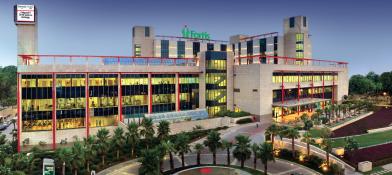 Fortis Memorial Research Institute, Gurgaon4.6
4.6
-
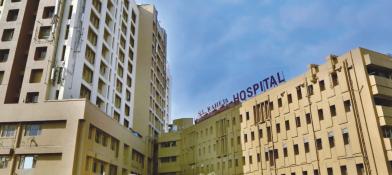 S L Raheja Hospital, Mumbai4.8
4.8
-
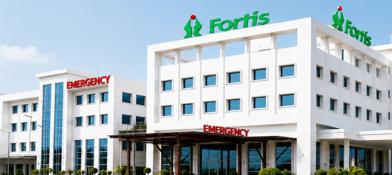 Fortis Hospital, Jalandhar4.7
4.7
-
 Fortis Hospital, Mulund, Mumbai4.6
4.6
-
 Fortis Hospital, Shalimar Bagh, New Delhi4.6
4.6
-
 Fortis Flt. Lt. Rajan Dhall Hospital, Vasant Kunj4.5
4.5
-
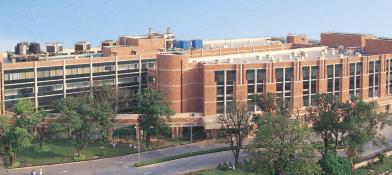 Fortis Hospital, Mohali4.6
4.6
-
 Gleneagles Hospital, Chennai4.7
4.7
-
 Fortis Escorts Hospital, Jaipur4.6
4.6
-
 Fortis Hospital CG Road Bangalore4.6
4.6
-
 Hiranandani Fortis Hospital, Vashi, Mumbai4.7
4.7
Related Specialities
Other Specialities
-
 Cardiac Sciences
-
 Dental Science
-
 Dermatology
-
 Diabetology/Endocrinology
-
 Emergency and Trauma
-
 Endocrine Surgery
-
 ENT
ENT
-
 Foetal Medicine
-
 Gastroenterology and Hepatobiliary Sciences
-
 General Surgery
-
 Geriatric Medicine
-
 Haematology
-
 Infectious Diseases
-
 Infertility medicine
-
 Internal Medicine
-
 Liver Transplant and Hepatobiliary Sciences
-
 Medical Genetics
-
 Mental Health and Behavioural Sciences
-
 Nephrology
-
 Neurointerventional Radiology
-
 Neurology
-
 Neurosurgery
-
 Nuclear Medicine
-
 Obstetrics and Gynaecology
-
 Oncology
-
 Ophthalmology
-
 Organ Transplant
-
 Orthopaedics
-
 Paediatrics
-
 Pain and Palliative Medicine
-
 Palliative Medicine
-
 Physiotherapy and Rehabilitation
-
 Plastic and Reconstructive Surgery
-
 Pulmonology
-
 Radiology
-
 Rheumatology
-
 Support Specialties
-
 Thoracic Surgery
-
 Transfusion Medicine
-
 Urology
-
 Vascular Surgery
-
Explore Hospitals for Critical Care
Fortis Escorts Hospital, Jaipur Fortis Hospital, Shalimar Bagh, New Delhi Fortis Memorial Research Institute, Gurgaon Fortis Flt. Lt. Rajan Dhall Hospital, Vasant Kunj Hiranandani Fortis Hospital, Vashi, Mumbai Fortis Hospital, Mohali Fortis Hospital CG Road Bangalore Fortis Hospital, Mulund, Mumbai Fortis Hospital, Jalandhar Gleneagles Hospital, Chennai S L Raheja Hospital, Mumbai Fortis Hospital, Yeshwanthpur -
Explore Doctors for Critical Care by Hospital
Doctors in Fortis Escorts Hospital, Jaipur Doctors in Fortis Hospital, Shalimar Bagh, New Delhi Doctors in Fortis Memorial Research Institute, Gurgaon Doctors in Fortis Flt. Lt. Rajan Dhall Hospital, Vasant Kunj Doctors in Hiranandani Fortis Hospital, Vashi, Mumbai Doctors in Fortis Hospital, Mohali Doctors in Fortis Hospital CG Road Bangalore Doctors in Fortis Hospital, Mulund, Mumbai Doctors in Fortis Hospital, Jalandhar Doctors in Gleneagles Hospital, Chennai Doctors in S L Raheja Hospital, Mumbai Doctors in Fortis Hospital, Yeshwanthpur -
Explore Specialities by Cities
Specialities in Bangalore Specialities in Bangalore. Specialities in Bengaluru Specialities in Chandigarh Specialities in Delhi Specialities in Gurugram Specialities in Jalandhar Specialities in Kolkata. Specialities in Navi Mumbai Specialities in Delhi NCR Specialities in New Delhi Specialities in Mumbai Specialities in Amritsar Specialities in Faridabad Specialities in Gurgaon Specialities in Manesar Specialities in Jaipur Specialities in Kolkata Specialities in Ludhiana Specialities in Mohali Specialities in Noida Specialities in Greater Noida Specialities in Chennai Specialities in Hyderabad -
Explore Hospitals for Critical Care by Cities
Fortis Escorts Hospital, Jaipur Fortis Hospital, Shalimar Bagh, New Delhi Fortis Memorial Research Institute, Gurgaon Fortis Flt. Lt. Rajan Dhall Hospital, Vasant Kunj Hiranandani Fortis Hospital, Vashi, Mumbai Fortis Hospital, Mohali Fortis Hospital CG Road Bangalore Fortis Hospital, Mulund, Mumbai Fortis Hospital, Jalandhar Gleneagles Hospital, Chennai S L Raheja Hospital, Mumbai Fortis Hospital, Yeshwanthpur -
Explore Hospitals for Critical Care by Cities
Fortis Escorts Hospital, Jaipur Fortis Hospital, Shalimar Bagh, New Delhi Fortis Memorial Research Institute, Gurgaon Fortis Flt. Lt. Rajan Dhall Hospital, Vasant Kunj Hiranandani Fortis Hospital, Vashi, Mumbai Fortis Hospital, Mohali Fortis Hospital CG Road Bangalore Fortis Hospital, Mulund, Mumbai Fortis Hospital, Jalandhar Gleneagles Hospital, Chennai S L Raheja Hospital, Mumbai Fortis Hospital, Yeshwanthpur