

About Liver Transplant and Hepatobiliary Sciences
The liver is one of the most vital and complex organs in the human body. Weighing approximately 1.5 kilograms, it performs over 500 essential functions — from filtering toxins and producing bile for digestion, to regulating metabolism, synthesizing proteins, and supporting the immune system. When the liver is irreversibly damaged by disease, injury, or chronic illness, it can no longer sustain life. For such patients, a liver transplant is not just a treatment option — it is the only definitive path to survival.
The Department of Liver Transplant and Hepatobiliary Sciences is a highly specialized, multidisciplinary unit dedicated to the comprehensive care of patients with advanced liver disease, biliary tract disorders, and complex hepatic conditions. From the earliest stages of diagnosis to long-term post-transplant follow-up, this specialty brings together world-class surgical expertise, advanced hepatology, and state-of-the-art technology to deliver outcomes that give patients a second chance at life.
Understanding Liver Disease and When a Transplant Is Needed
The liver has a remarkable ability to regenerate and heal itself from minor damage. However, when injury or disease is prolonged or severe, the liver progressively loses its functional capacity — a condition known as liver failure. This may occur acutely, over days to weeks, or chronically, over months and years.
Common conditions that may eventually require a liver transplant include:
- Cirrhosis — Advanced scarring of the liver caused by chronic alcohol use, non-alcoholic fatty liver disease (NAFLD), or long-standing hepatitis. Cirrhosis is the leading indication for liver transplantation worldwide.
- Viral Hepatitis (Hepatitis B and C) — Chronic hepatitis infections can silently damage the liver over decades, leading to cirrhosis and hepatocellular carcinoma (liver cancer).
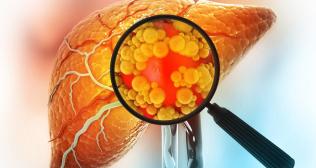
- Non-Alcoholic Steatohepatitis (NASH) — An increasingly common cause of advanced liver disease, closely linked to obesity, diabetes, and metabolic syndrome.
- Autoimmune Liver Diseases — Conditions such as autoimmune hepatitis, primary biliary cholangitis (PBC), and primary sclerosing cholangitis (PSC), where the body's immune system attacks liver tissue.
- Acute Liver Failure — A sudden, severe loss of liver function, sometimes triggered by drug toxicity, viral infections, or metabolic crises, requiring emergency transplantation.
- Hepatocellular Carcinoma (HCC) — Early-stage liver cancer in select patients can be cured with a liver transplant when the tumor meets established criteria.
- Paediatric Liver Diseases — Conditions such as biliary atresia, Wilson's disease, and metabolic liver disorders in children often require transplantation for long-term survival.
Liver Transplantation: Living Donor and Deceased Donor
A liver transplant involves replacing a diseased, failing liver with a healthy one from a compatible donor. There are two primary types:
- Living Donor Liver Transplant (LDLT) — Because the liver is the only human organ with the ability to regenerate, a portion of a healthy donor's liver — typically 60 to 70 percent — can be surgically removed and transplanted into the recipient. The remaining portion of the donor's liver regenerates to full size within six to eight weeks. This approach significantly reduces waiting times and is particularly valuable in countries where deceased donor organ availability is limited.
- Deceased Donor Liver Transplant (DDLT) — In this procedure, the liver is retrieved from a brain-dead individual whose organs remain viable and functional. The recipient receives the full liver from the deceased donor. DDLT is coordinated through regional and national organ sharing networks.
Both approaches demand exceptional surgical precision, meticulous pre-operative planning, and robust post-operative care — hallmarks of a mature, high-volume liver transplant program.
Hepatobiliary Surgery: Beyond Transplantation
The scope of this specialty extends well beyond liver transplantation. Hepatobiliary surgery addresses complex surgical conditions involving the liver, bile ducts, gallbladder, and pancreas. Key areas include:
- Liver Resection — Surgical removal of liver tumors (both primary and metastatic) while preserving maximum healthy liver tissue. Advances in laparoscopic and robotic techniques have made liver resection safer, with reduced blood loss and faster recovery.
- Bile Duct Surgery — Conditions such as bile duct cancers (cholangiocarcinoma), strictures, and congenital abnormalities of the biliary system require meticulous surgical reconstruction.
- Gallbladder Diseases — Including gallbladder cancer, which demands an extended resection for curative outcomes.
- Pancreatic Surgery — Complex procedures such as the Whipple operation (pancreaticoduodenectomy) for pancreatic cancer and other periampullary tumors fall within the hepatobiliary surgical domain.
- Portal Hypertension Management — Complications of advanced liver disease, including variceal bleeding and ascites, are managed medically, endoscopically, and surgically.
A Comprehensive, Multidisciplinary Care Model
Liver transplantation is among the most demanding and resource-intensive medical procedures in the world. It requires seamless coordination between hepatologists, transplant surgeons, anaesthesiologists, intensivists, transplant coordinators, nutritionists, physiotherapists, and psychosocial support teams.
Every patient's case is reviewed in dedicated multidisciplinary transplant boards, where specialists collectively assess candidacy, evaluate donor-recipient compatibility, plan surgical strategy, and monitor post-transplant health. This integrated approach ensures that no aspect of patient care is overlooked — from the moment of listing to decades of follow-up.
Post-transplant care is equally critical. Patients receive individualized immunosuppression regimens to prevent organ rejection, regular monitoring of liver function, and long-term surveillance for complications including infection, metabolic changes, and disease recurrence.
Why This Specialty Matters
Liver disease is a growing public health concern in India, with millions affected by hepatitis, fatty liver disease, and alcohol-related liver conditions. For patients at the end stage of their liver disease journey, transplantation offers not just survival — but a return to quality life, professional activity, and family.
With a committed team, a rigorous protocol-driven approach, and a compassionate understanding of what patients and families go through, the Department of Liver Transplant and Hepatobiliary Sciences stands as a beacon of hope for those who need it most.
Our Team of Experts
View all Dr. Vikram RautSenior Consultant Liver Transplant
 Dr. Mitul Devanand RudachConsultant Hepatology
Available Locations
-
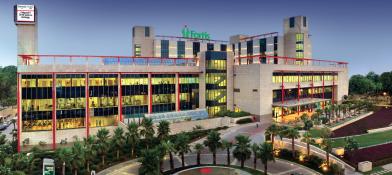 Fortis Memorial Research Institute, Gurgaon4.6
4.6


-
 Fortis Hospital, Kalyan, Mumbai4.7
4.7
-
 S L Raheja Hospital, Mumbai4.8
4.8
-
 Fortis Hospital BG Road Bangalore4.7
4.7
-
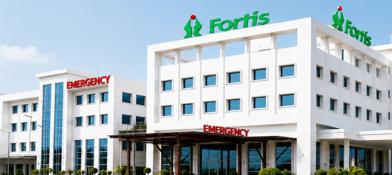 Fortis Hospital, Jalandhar4.7
4.7
-
 Fortis Hospital, Mulund, Mumbai4.6
4.6
-
 Fortis Hospital, Shalimar Bagh, New Delhi4.6
4.6
-
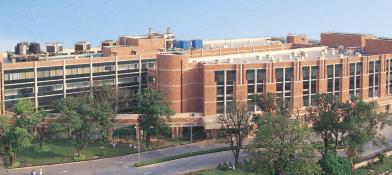 Fortis Hospital, Mohali4.6
4.6
-
 Fortis Hospital, Noida
-
 Gleneagles Hospital, Chennai4.7
4.7
-
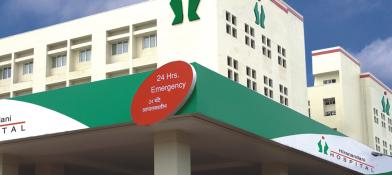 Hiranandani Fortis Hospital, Vashi, Mumbai4.7
4.7
-
 Fortis Escorts Heart Institute, New Delhi4.6
4.6
Breakthrough Cases
View all-
Two High-Risk Patients Recover After Rare Combined Cardiac and Liver Transplant Procedures at Fortis Hospital, Shalimar Bagh
Fortis Hospital,
Shalimar Bagh
Our patient’s stories
View allExplore blogs
View all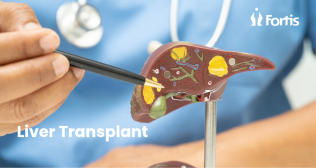
Explore Videos
View all-
 Living Liver Donation in India: Process, Risks & Recovery Explained | Dr. Vikram Namdev
 -
 Dietary Restrictions After Liver Transplant | Dr. Vikram Namdev Raut | Fortis Hospital, Mulund
 -
 Consult first
Related Specialities
Other Specialities
-
 Cardiac Sciences
-
 Critical Care
-
 Dental Science
-
 Dermatology
-
 Diabetology/Endocrinology
-
 Emergency and Trauma
-
 Endocrine Surgery
-
 ENT
ENT
-
 Foetal Medicine
-
 Gastroenterology and Hepatobiliary Sciences
-
 General Surgery
-
 Geriatric Medicine
-
 Haematology
-
 Infectious Diseases
-
 Infertility medicine
-
 Internal Medicine
-
 Medical Genetics
-
 Mental Health and Behavioural Sciences
-
 Nephrology
-
 Neurointerventional Radiology
-
 Neurology
-
 Neurosurgery
-
Nuclear Medicine
-
 Obstetrics and Gynaecology
-
 Oncology
-
 Ophthalmology
-
 Organ Transplant
-
 Orthopaedics
-
 Paediatrics
-
 Pain and Palliative Medicine
-
 Palliative Medicine
-
 Physiotherapy and Rehabilitation
-
 Plastic and Reconstructive Surgery
-
 Pulmonology
-
 Radiology
-
 Rheumatology
-
 Support Specialties
-
 Thoracic Surgery
-
 Transfusion Medicine
-
 Urology
-
 Vascular Surgery
-
Explore Hospitals for Liver Transplant and Hepatobiliary Sciences
Fortis Hospital, Noida Fortis Hospital BG Road Bangalore Hiranandani Fortis Hospital, Vashi, Mumbai Fortis Memorial Research Institute, Gurgaon Fortis Escorts Heart Institute, New Delhi Fortis Hospital, Mulund, Mumbai Fortis Hospital, Mohali Fortis Hospital, Shalimar Bagh, New Delhi Fortis Hospital, Kalyan, Mumbai Fortis Hospital, Jalandhar Gleneagles Hospital, Chennai S L Raheja Hospital, Mumbai -
Explore Doctors for Liver Transplant and Hepatobiliary Sciences by Hospital
Doctors in Fortis Hospital, Noida Doctors in Fortis Hospital BG Road Bangalore Doctors in Hiranandani Fortis Hospital, Vashi, Mumbai Doctors in Fortis Memorial Research Institute, Gurgaon Doctors in Fortis Escorts Heart Institute, New Delhi Doctors in Fortis Hospital, Mulund, Mumbai Doctors in Fortis Hospital, Mohali Doctors in Fortis Hospital, Shalimar Bagh, New Delhi Doctors in Fortis Hospital, Kalyan, Mumbai Doctors in Fortis Hospital, Jalandhar Doctors in Gleneagles Hospital, Chennai Doctors in S L Raheja Hospital, Mumbai -
Explore Specialities by Cities
Specialities in Bangalore Specialities in Bangalore. Specialities in Bengaluru Specialities in Chandigarh Specialities in Delhi Specialities in Gurugram Specialities in Jalandhar Specialities in Kolkata. Specialities in Navi Mumbai Specialities in Delhi NCR Specialities in New Delhi Specialities in Mumbai Specialities in Amritsar Specialities in Faridabad Specialities in Gurgaon Specialities in Manesar Specialities in Jaipur Specialities in Kolkata Specialities in Ludhiana Specialities in Mohali Specialities in Noida Specialities in Greater Noida Specialities in Chennai Specialities in Hyderabad -
Explore Hospitals for Liver Transplant and Hepatobiliary Sciences by Cities
Fortis Hospital, Noida Fortis Hospital BG Road Bangalore Hiranandani Fortis Hospital, Vashi, Mumbai Fortis Memorial Research Institute, Gurgaon Fortis Escorts Heart Institute, New Delhi Fortis Hospital, Mulund, Mumbai Fortis Hospital, Mohali Fortis Hospital, Shalimar Bagh, New Delhi Fortis Hospital, Kalyan, Mumbai Fortis Hospital, Jalandhar Gleneagles Hospital, Chennai S L Raheja Hospital, Mumbai -
Explore Hospitals for Liver Transplant and Hepatobiliary Sciences by Cities
Fortis Hospital, Noida Fortis Hospital BG Road Bangalore Hiranandani Fortis Hospital, Vashi, Mumbai Fortis Memorial Research Institute, Gurgaon Fortis Escorts Heart Institute, New Delhi Fortis Hospital, Mulund, Mumbai Fortis Hospital, Mohali Fortis Hospital, Shalimar Bagh, New Delhi Fortis Hospital, Kalyan, Mumbai Fortis Hospital, Jalandhar Gleneagles Hospital, Chennai S L Raheja Hospital, Mumbai