



Beyond Blood Pressure The Multifaceted Role of Kidney Specialists
Kidneys do far more than remove waste from the body.
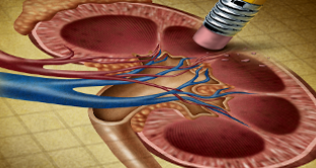
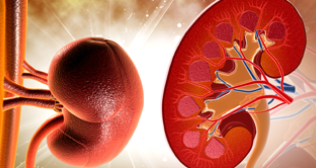
These two organs continuously filter the blood, regulate fluid levels, maintain electrolyte balance, support blood pressure regulation, contribute to red blood cell production and play an important role in maintaining healthy bones.
When kidney function begins to decline, the effects can extend well beyond the urinary system. Kidney disease can influence the heart, blood vessels, bones, blood cells and overall metabolism.
This is where a kidney specialist, or nephrologist, plays an important role. Nephrologists diagnose and manage a wide range of conditions affecting kidney function and help patients protect their remaining kidney function for as long as possible.
The Kidneys Do More Than Filter Waste
It is easy to think of the kidneys as the body's filtration system—and they certainly perform that role. But their functions are much broader.
Healthy kidneys help:
- Remove waste products from the blood
- Maintain fluid balance
- Regulate electrolytes such as potassium and sodium
- Contribute to blood pressure regulation
- Produce erythropoietin, a hormone involved in red blood cell production
- Activate vitamin D, which supports calcium balance and bone health
- Maintain the body's acid-base balance
When kidney function is impaired, problems can develop in several of these areas at the same time.
Managing Complex Hypertension
High blood pressure and kidney disease are closely connected.
Long-standing hypertension can damage the blood vessels within the kidneys, gradually reducing their ability to filter blood. At the same time, kidney disease can contribute to high blood pressure because the kidneys play an important role in regulating fluid balance and hormonal systems involved in blood pressure control.
A nephrologist may therefore become involved when:
- Blood pressure remains difficult to control
- Kidney disease is contributing to hypertension
- There is evidence of kidney damage
- Multiple blood-pressure medications are required
- Blood or protein is detected in the urine
Treatment may involve medications, dietary changes, monitoring of kidney function and management of other cardiovascular risk factors.
Controlling blood pressure is an important part of protecting kidney function and reducing the risk of cardiovascular complications.
Maintaining Electrolyte Balance
The body depends on carefully regulated levels of minerals and electrolytes.
The kidneys help control substances such as:
- Potassium
- Sodium
- Calcium
- Phosphate
- Bicarbonate
When kidney function declines, these levels can become abnormal.
High potassium, known as hyperkalaemia, can be particularly concerning because significant elevations can affect the heart's electrical activity and potentially cause dangerous arrhythmias.
Treatment depends on the underlying cause and severity. A nephrologist may review medications, kidney function, diet and other contributing factors before deciding on appropriate management.
Dietary recommendations should always be personalised. A food that is appropriate for one person with kidney disease may not be suitable for another, depending on kidney function and laboratory results.
Managing Chronic Kidney Disease and Bone Health
Kidney disease can affect the balance of calcium, phosphate, vitamin D and parathyroid hormone. This group of complications is often referred to as chronic kidney disease–mineral and bone disorder (CKD-MBD).
As kidney function declines, the kidneys become less able to activate vitamin D and remove excess phosphate. These changes can affect mineral balance and bone health.
Depending on the individual's condition, treatment may involve:
- Dietary adjustments
- Phosphate binders
- Vitamin D or vitamin D analogues
- Management of parathyroid hormone levels
- Monitoring calcium and phosphate
- Treatment of other contributing factors
The objective is not simply to increase calcium or vitamin D. Treatment needs to be guided by blood tests and the patient's overall kidney and bone health.
Managing Anaemia Associated With Kidney Disease
Kidneys also contribute to the production of red blood cells by releasing erythropoietin (EPO), a hormone that signals the bone marrow to produce them.
When kidney function is significantly reduced, EPO production may decrease, contributing to anaemia.
Anaemia can cause symptoms such as:
- Fatigue
- Weakness
- Shortness of breath during activity
- Reduced concentration
- Feeling less energetic than usual
However, anaemia in people with kidney disease is not always caused solely by reduced EPO production. Iron deficiency, inflammation, blood loss and other factors may also contribute.
A nephrologist may therefore investigate the underlying cause before recommending treatment.
Depending on the situation, management may include iron supplementation, erythropoiesis-stimulating agents or other therapies.
Supporting Patients Through Advanced Kidney Disease
As chronic kidney disease progresses, the focus of treatment may change.
The nephrologist monitors kidney function and helps patients understand their treatment options. These may include:
- Conservative kidney management
- Dialysis
- Kidney transplantation
The appropriate option depends on kidney function, symptoms, other medical conditions, age, lifestyle considerations and the patient's preferences.
Planning ahead can be particularly valuable. When dialysis is likely to be needed, patients may require preparation for vascular access, such as an arteriovenous fistula, or another appropriate form of dialysis access.
Early planning can help avoid unnecessary emergency treatment when kidney function becomes severely impaired.
Understanding Dialysis
When the kidneys can no longer adequately remove waste and excess fluid, dialysis may be required.
There are two major forms:
Haemodialysis
During haemodialysis, blood is circulated through a specialised filter called a dialyser, which removes certain waste products and excess fluid before the blood is returned to the body.
Haemodialysis requires reliable vascular access, which may be created through:
- An arteriovenous fistula
- An arteriovenous graft
- A central venous catheter in certain circumstances
The choice of access depends on the patient's medical situation and treatment plan.
Peritoneal Dialysis
Peritoneal dialysis uses the lining of the abdomen, known as the peritoneum, as a natural filtering membrane. A dialysis solution is introduced into the abdominal cavity through a catheter and later drained, carrying waste and excess fluid with it.
Both forms of dialysis have potential benefits and limitations, and the most suitable option varies from patient to patient.
Why Specialist Follow-Up Matters
Kidney disease can change over time, sometimes without causing obvious symptoms in its early stages.
Regular nephrology follow-up can help monitor:
- Kidney function
- Blood pressure
- Urine protein
- Electrolytes
- Acid-base balance
- Haemoglobin and iron status
- Calcium and phosphate
- Medication effects
- Cardiovascular risk
Early identification of changes can allow treatment to be adjusted before complications become more difficult to manage.
Choosing the Right Kidney Specialist
Finding the right nephrologist involves more than looking for a doctor who treats kidney disease.
Patients may want to consider the specialist's experience with their particular condition, access to diagnostic facilities, availability of dialysis services and coordination with other specialists when necessary.
A best hospital in New Delhi or another major healthcare centre may offer multidisciplinary support involving nephrologists, transplant surgeons, cardiologists, dietitians, nurses and other specialists.
This can be particularly valuable for patients with advanced or complex kidney disease, where several aspects of health may need to be managed together.
Looking Beyond the Kidneys
Kidney specialists do much more than treat problems with urine or manage dialysis.
They help patients understand how kidney disease can affect blood pressure, electrolytes, bones, blood production, cardiovascular health and overall wellbeing.
The earlier kidney problems are identified, the more opportunities there may be to address contributing factors, manage complications and protect kidney function.
For people living with chronic kidney disease, nephrology care is therefore not simply about treating the kidneys—it is about managing the wider effects of kidney disease and helping patients maintain the best possible quality of life.
Categories
Clear allRelated Blogs
View all






Quick Enquiry Form
FAQs

Keep track of your appointments, get updates & more!

