
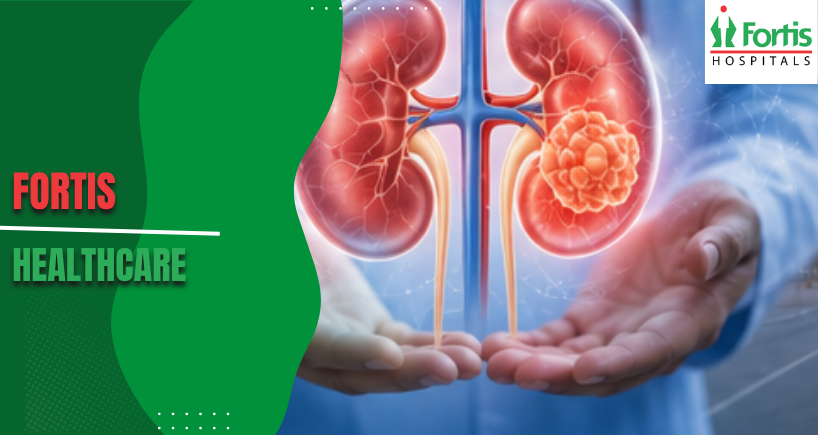


Delhi Best Nephrologists Offering Breakthrough Care for Resistant Hypertension Linked to Kidney Disorders
Blood pressure that refuses to respond despite three or four medications signals something beyond primary hypertension. Resistant cases often trace back to kidney dysfunction creating complex physiological loops that standard treatments cannot break. Finding the best nephrologist in Delhi becomes crucial because these situations demand expertise recognising subtle renal causes that general physicians might miss.
Recent advances in renal denervation, targeted medication strategies, and precision diagnostics are transforming outcomes for patients who spent years cycling through ineffective drug combinations. Understanding these innovations helps individuals stuck in frustrating treatment loops advocate for specialist evaluation when standard approaches repeatedly fail.
Recognising Kidney-Driven Hypertension
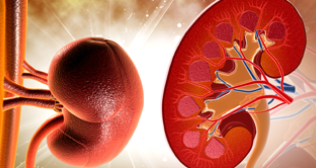
Renovascular disease narrows arteries supplying kidneys, triggering hormonal responses that elevate blood pressure systemically. This mechanism differs fundamentally from essential hypertension, yet symptoms appear identical. The best nephrologist in Delhi uses specialised imaging detecting arterial stenosis that standard blood tests cannot reveal.
Chronic kidney disease itself raises blood pressure through sodium retention and activation of renin-angiotensin systems. Patients often develop hypertension years before kidney function tests show obvious abnormalities. Early specialist evaluation prevents progression whilst standard care continues missing connections until damage advances significantly.
Advanced Diagnostic Approaches
Ambulatory blood pressure monitoring over 24 hours reveals patterns suggesting secondary causes. Measurements remaining elevated overnight despite adequate medication indicate resistant physiology requiring deeper investigation. Plasma renin and aldosterone testing identifies hormonal imbalances driving pressure elevations.
Renal artery imaging using CT angiography or magnetic resonance techniques visualises stenosis that explains treatment resistance. Some patients benefit from captopril renography showing functional significance of anatomical narrowing. The best nephrology hospital in Delhi maintains comprehensive diagnostic capabilities distinguishing primary from secondary hypertension accurately.
Renal Denervation Technology
This minimally invasive procedure uses radiofrequency energy ablating sympathetic nerves surrounding renal arteries. Disrupting these pathways reduces kidney-driven signals that elevate blood pressure systemically. Clinical trials show approximately 70 percent of patients achieve significant pressure reductions persisting for years.
The procedure requires specialised catheterisation skills and patient selection expertise. Not everyone qualifies because success depends on specific anatomical and physiological factors. The best nephrologist doctor in India determines candidacy through comprehensive evaluation balancing potential benefits against procedural risks.
Optimising Medication Strategies
Combining drugs from different classes that target complementary pathways often succeeds where sequential single-agent trials failed. Mineralocorticoid receptor antagonists like spironolactone prove particularly effective in resistant cases. Many patients never receive adequate trials of this drug class before being labelled treatment-resistant.
Direct renin inhibitors offer alternatives when ACE inhibitors or ARBs cause intolerable side effects. Timing medications to circadian rhythm patterns sometimes improves effectiveness. The Best Hospital in India provides detailed pharmacogenomic testing guiding medication selections based on individual metabolic profiles.
Addressing Secondary Aldosteronism
Primary aldosteronism affects approximately 10 percent of resistant hypertension cases yet remains underdiagnosed because screening requires specific protocols. Excessive aldosterone production drives sodium retention and potassium loss whilst raising blood pressure dramatically.
Adrenal vein sampling localises hormone-secreting adenomas amenable to surgical removal. Medical therapy using mineralocorticoid antagonists controls blood pressure when surgery proves inappropriate. The best nephrologist in Delhi coordinates with endocrinologists ensuring comprehensive evaluation for hormonal causes.
Lifestyle Modifications That Actually Matter
Sodium restriction below 2 grams daily produces measurable blood pressure reductions in salt-sensitive individuals. Most patients consume three to four times this amount without realising because processed foods contain hidden sodium. Dietitian guidance helps implement practical strategies reducing intake substantially.
Weight loss of just 5 to 10 percent significantly improves blood pressure control in overweight individuals. Exercise training provides additional benefits beyond weight effects. These interventions work synergistically with medications rather than replacing them in resistant cases.
Managing Treatment Complications
Medication side effects limit adherence in many resistant cases. Diuretic-induced frequent urination, ACE inhibitor cough, and calcium channel blocker ankle swelling all reduce compliance. Adjusting timing, dosing, or drug selection addresses these issues whilst maintaining therapeutic effectiveness.
Monitoring kidney function and electrolytes prevents complications from aggressive medication regimens. Some drugs require dose adjustments as kidney function changes over time. Regular follow-up with the best nephrology hospital in Delhi ensures safe, effective long-term management.
Long-Term Outcome Improvements
Achieving blood pressure control prevents strokes, heart attacks, and progressive kidney damage that develop from years of uncontrolled hypertension. Even modest pressure reductions translate into substantial cardiovascular risk decreases over decades. The investment in specialist evaluation and advanced treatments pays dividends through avoided complications and improved quality of life for individuals finally gaining control over previously resistant hypertension.
Categories
Clear allRelated Blogs
View all




FAQs

Keep track of your appointments, get updates & more!

