
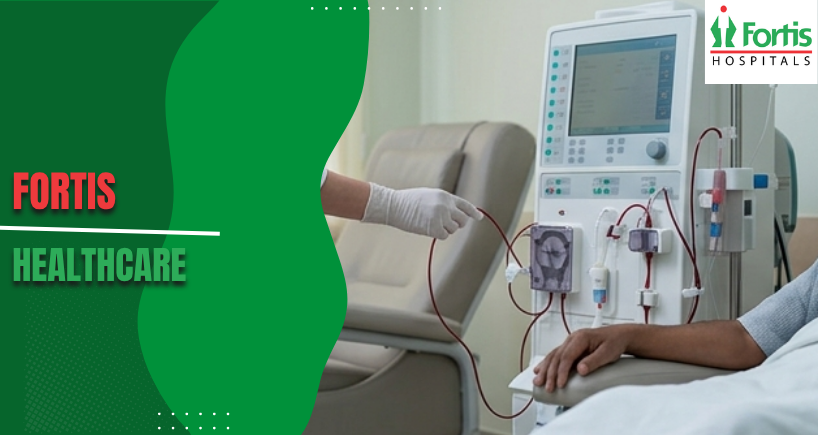


Dialysis in Delhi What to Expect at Your First Session and Questions to Ask Your Nephrologist
Starting dialysis is one of the most significant transitions a kidney disease patient ever faces. For most patients in Delhi, the weeks leading up to the first dialysis session are filled with anxiety, uncertainty, and a long list of unanswered questions.
What will it feel like? How long will it take? Will it hurt? What happens if something goes wrong?
These are not unreasonable fears. Dialysis is a major medical procedure and understanding exactly what to expect, and what to ask your nephrologist beforehand, can transform that first session from something daunting into something manageable.
This guide is written for patients in Delhi who are about to begin dialysis and for their families.
Before your first session: what needs to happen first
Access creation
Before haemodialysis can begin, a vascular access point must be created a way to draw blood from the body, pass it through the dialysis machine, and return it. There are three types:
- Arteriovenous (AV) fistula -the gold standard. A surgical connection between an artery and a vein, usually in the forearm, that creates a robust, high-flow access point. Takes 4–6 weeks to mature before it can be used.
- AV graft - a synthetic tube connecting artery and vein, used when a natural fistula cannot be created. Ready to use sooner.
- Central venous catheter (CVC) - a temporary catheter placed in a large vein in the neck or chest. Used for emergency dialysis starts or while the fistula matures. Higher infection risk; not intended for long-term use.
If your nephrologist is planning your dialysis ahead of time (as they should for CKD Stage 4 patients), your fistula should already be in place and matured before your first session. If you are starting dialysis urgently, a temporary catheter will be used.
What actually happens during a haemodialysis session in Delhi
Arrival and preparation (15-20 minutes)
You will be weighed at the start of every session. The difference between your current weight and your "dry weight" your target weight without excess fluid tells the machine how much fluid to remove. Nurses will check your blood pressure and temperature, and connect you to the machine through your vascular access.
The session itself (3-5 hours)
Once connected, blood flows from your body through the dialysis machine at a controlled rate. Inside the machine, it passes through a dialyser (the filter) where waste products, excess fluid, and electrolytes are removed. The cleaned blood returns to your body through the same or a second needle.
Most patients find the session itself physically quiet. You will be sitting or lying in a recliner chair. Many patients read, watch television, or sleep through sessions. Some experience mild muscle cramps a common side effect, especially early on which staff can manage by adjusting fluid removal rates.
Post-session monitoring (15-30 minutes)
After the session, your blood pressure will be checked again. Some patients feel fatigued, lightheaded, or nauseous immediately after this is normal, especially in the first few sessions, and typically improves as your body adjusts to the dialysis schedule.
The first few weeks: what to expect
The first 2–4 weeks of dialysis are an adjustment period for both your body and your routine. Blood pressure fluctuations, mild fatigue after sessions, and some discomfort at the access site are common. These typically stabilise as your body adapts.
Your nephrologist will adjust your dialysis prescription the duration, blood flow rate, and fluid removal volume based on your response to early sessions and regular blood test results. This is not a set-and-forget process; it is an ongoing clinical calibration.
Questions to ask your nephrologist before starting dialysis in Delhi
Most patients leave their pre-dialysis consultation with half their questions unasked. Here is a ready list to take with you:
About your access:
- Is my fistula mature enough to use? If not, what is the timeline?
- What are the signs of access infection or blockage I should watch for?
About your schedule:
- Which days and what times will I dialyse? How flexible is this?
- What is the closest dialysis centre to my home or workplace in Delhi that meets your clinical standards?
About dietary restrictions:
- What changes do I need to make to my diet now that I am on dialysis?
- Are there specific foods common in Delhi and North Indian cooking that I should avoid?
About your medications:
- Will any of my current medications need to be taken after dialysis rather than before?
- Will I need erythropoietin injections for anaemia?
About travel and emergencies:
- If I travel within India, how do I arrange dialysis at another centre?
- What is the emergency contact number if I experience problems between sessions?
Choosing a dialysis centre in Delhi: what to look for
Not all dialysis centres in Delhi operate to the same standard. When evaluating a centre, check the following:
- Is the centre affiliated with or supervised by a qualified nephrologist (not just a general physician)?
- Are machines regularly maintained and audited?
- What is the nurse-to-patient ratio during sessions?
- Is there an on-call nephrologist available if complications arise during a session?
- Is water quality for dialysis monitored according to AAMI standards? (Water quality directly affects dialysis safety this is non-negotiable.)
The best hospitals for nephrology in India maintain rigorous standards across all of these parameters. A dialysis centre attached to a full nephrology department is almost always safer than a standalone dialysis-only facility.
Conclusion
Your first dialysis session will be unfamiliar, and that unfamiliarity can feel frightening. But it is also the beginning of a managed, stable treatment relationship with a clinical team whose goal is to keep you as healthy as possible for as long as possible.
Ask every question on your list. Understand your access, your schedule, and your diet before you begin. And find a nephrologist in Delhi who you trust to guide you through what is a significant but navigable transition.
Categories
Clear allMeet the doctor

- Organ Transplant | Kidney Transplant
- Nephrology | Nephrology
-
 14 Years
-
 1500
1500
Related Blogs
View all




FAQs
Is haemodialysis painful?
Needle insertion causes brief discomfort similar to a blood draw; the session itself is generally not painful, though mild cramps can occur and improve after the first few sessions.
Can I eat before a dialysis session?
A light meal is generally acceptable; however, fluid intake between sessions is strictly limited based on your prescribed dry weight — your dialysis team will specify your allowance.
How do I find a good dialysis centre near me in Delhi?
Ask your nephrologist to recommend a centre they supervise directly, and confirm a nephrologist is on call during sessions not just a technician.
Can I continue working while on haemodialysis?
Yes most Delhi centres offer morning, afternoon, and evening slots; initial fatigue usually stabilises within 4–8 weeks of starting treatment.

Keep track of your appointments, get updates & more!

