
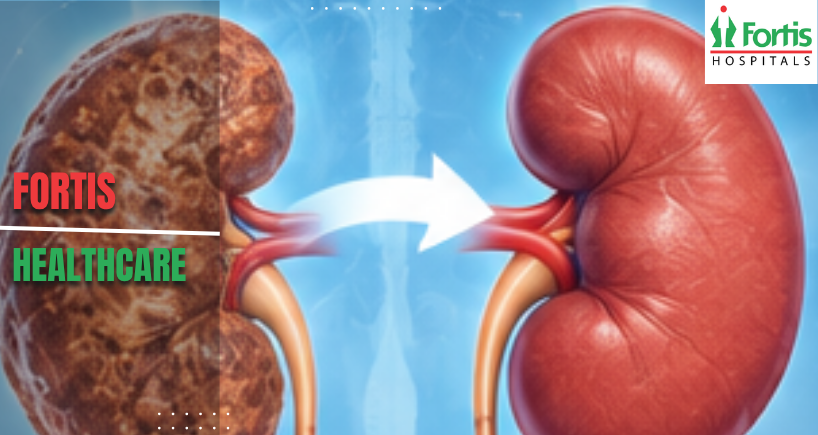


Fighting Kidney Disease Conditions That Lead to Kidney Transplants
Your kidneys perform several essential functions, including filtering waste and excess fluid from the blood, maintaining electrolyte balance, regulating blood pressure, and supporting red blood cell production. When kidney function declines significantly over time, a person may eventually develop kidney failure, a stage at which dialysis or kidney transplantation may be considered.
Kidney failure can result from several different conditions. Some develop gradually over many years, while others may cause more rapid damage. Recognising the conditions that can affect kidney function and managing them early can help reduce the risk of progression.
Importantly, not everyone with chronic kidney disease will eventually require a transplant. Early diagnosis, appropriate treatment, and regular monitoring can often help slow the progression of kidney disease.
The Devastating Impact of Diabetes
Diabetes is one of the leading causes of chronic kidney disease and kidney failure. Persistently high blood glucose levels can damage the small blood vessels and filtering structures within the kidneys over time. This condition is commonly referred to as diabetic kidney disease.
Kidney damage related to diabetes may initially cause few or no noticeable symptoms. One of the early signs can be an increased amount of albumin, a type of protein, in the urine.
As kidney disease progresses, eGFR may gradually decline and complications such as high blood pressure, anaemia, and disturbances in mineral and electrolyte balance can develop.
Managing diabetes effectively is an important part of protecting kidney health. Depending on the individual, treatment may include:
- Appropriate blood glucose management
- Blood pressure control
- Regular urine and kidney-function testing
- A balanced, kidney-appropriate diet
- Physical activity as recommended by a healthcare professional
- Medicines that help protect kidney and cardiovascular health
People with diabetes should discuss appropriate kidney screening with their doctor, even if they feel completely well.
Navigating Severe Chronic Hypertension
Long-term, poorly controlled high blood pressure can damage the blood vessels and filtering structures of the kidneys. Over time, this may contribute to chronic kidney disease.
The relationship between kidney disease and hypertension can work in both directions. Damaged kidneys can make blood pressure more difficult to control, while uncontrolled blood pressure can accelerate kidney damage.
Treatment usually focuses on controlling blood pressure and addressing other cardiovascular and kidney-related risk factors. Depending on the person's condition, doctors may prescribe medicines that lower blood pressure and may provide additional kidney-protective benefits.
Lifestyle measures can also contribute to better blood pressure control. These may include maintaining a healthy weight, staying physically active, limiting excessive sodium intake, avoiding tobacco, and following an appropriate diet.
Regular monitoring is particularly important because hypertension-related kidney damage can develop without obvious symptoms.
Understanding Glomerulonephritis
Glomerulonephritis refers to inflammation or damage affecting the glomeruli, the tiny filtering structures within the kidneys. It can have several causes, including immune-related conditions, infections, and other diseases.
Depending on its cause and severity, glomerulonephritis may lead to:
- Blood in the urine
- Protein in the urine
- Swelling around the eyes, ankles, or legs
- High blood pressure
- Reduced kidney function
- Changes in urine output
Diagnosis may involve blood tests, urine tests, imaging, and, in selected cases, a kidney biopsy to determine the underlying pattern of kidney injury.
Treatment depends on the cause. Some forms may be managed with medicines that control blood pressure and reduce protein loss, while certain immune-mediated conditions may require immunosuppressive treatment. Immunosuppressive medicines are not appropriate for every type of glomerulonephritis, so treatment must be based on the specific diagnosis.
When severe or progressive glomerular disease causes irreversible kidney damage, kidney failure can eventually develop.
Exploring Polycystic Kidney Disease
Polycystic kidney disease (PKD) is a genetic condition in which numerous fluid-filled cysts develop in the kidneys. The most common form, autosomal dominant polycystic kidney disease (ADPKD), can gradually enlarge the kidneys and reduce their function.
The condition can also affect other organs and may be associated with complications such as high blood pressure, kidney stones, urinary infections, and cysts in the liver.
Some people remain relatively stable for many years, while others experience progressive loss of kidney function.
Treatment focuses on managing complications and, where appropriate, slowing disease progression. Regular monitoring of kidney function and blood pressure is important.
If PKD progresses to kidney failure, dialysis or kidney transplantation may eventually be considered. A transplant is not required for every person with PKD, and the timing depends on kidney function and the individual's overall health.
Other Conditions That Can Lead to Kidney Failure
Diabetes, hypertension, glomerulonephritis, and PKD are important causes, but they are not the only conditions that can eventually result in kidney failure.
Other possible causes include:
- Recurrent or severe kidney infections
- Obstructive urinary tract conditions
- Certain inherited kidney disorders
- Lupus and other systemic autoimmune diseases
- Long-term exposure to certain kidney-damaging medicines or substances
- Repeated episodes of acute kidney injury
- Some congenital abnormalities affecting the kidneys or urinary tract
Identifying the underlying cause is important because treatment may differ substantially from one patient to another.
When Is a Kidney Transplant Considered?
A kidney transplant is generally considered for people with end-stage kidney disease or advanced kidney failure when transplantation is medically appropriate.
A transplant is not simply a procedure performed as soon as kidney function begins to decline. Patients may first receive medical treatment and other supportive measures designed to preserve remaining kidney function.
When kidney function becomes severely reduced, treatment options may include haemodialysis, peritoneal dialysis, or transplantation, depending on the individual's circumstances.
A transplant may involve a kidney from a living donor or a deceased donor. Before transplantation, the recipient undergoes detailed medical evaluation to determine whether surgery and long-term immunosuppressive treatment are appropriate.
Understanding the Reality of Kidney Transplant Surgery
During a kidney transplant, the donor kidney is generally placed in the lower abdomen or pelvic region. Its blood vessels are connected to blood vessels in the recipient, and the ureter is connected to the bladder.
The patient's own kidneys are usually not removed unless there is a specific medical reason to do so.
The transplanted kidney may begin functioning immediately, but this is not guaranteed. Some patients experience delayed graft function and may temporarily require dialysis following surgery.
As with any major operation, kidney transplantation carries potential risks, including bleeding, infection, blood clots, complications related to anaesthesia, and problems affecting the transplanted kidney.
Life After a Kidney Transplant
Kidney transplantation does not eliminate the need for long-term medical care. The recipient's immune system can recognise the transplanted kidney as foreign and may attempt to attack it.
To reduce the risk of rejection, transplant recipients generally need lifelong immunosuppressive medicines.
Taking these medicines exactly as prescribed is essential. Patients should not stop, reduce, or change their doses without speaking to their transplant team.
Regular follow-up usually includes blood and urine tests, medication monitoring, blood pressure checks, and assessment for possible rejection, infection, or other complications.
Lifestyle and dietary recommendations may also change following transplantation and should be personalised according to kidney function, medications, and other health conditions.
Choosing the Right Kidney Care Centre
Patients with advanced kidney disease may require coordinated care from nephrologists, transplant surgeons, nurses, dietitians, transplant coordinators, and other specialists.
When considering a Best Hospital in India for kidney care or transplantation, patients may look at factors such as:
- Experience of the nephrology and transplant teams
- Living- and deceased-donor transplant services
- Availability of dialysis facilities
- Diagnostic and laboratory support
- Critical care services
- Management of transplant complications
- Long-term follow-up programmes
- Multidisciplinary care for complex patients
The right treatment centre should be selected according to the patient's medical requirements rather than relying solely on general rankings or reputation.
Final Thoughts
Kidney failure can develop as a result of several chronic or inherited conditions, with diabetes, high blood pressure, glomerulonephritis, and polycystic kidney disease among important causes.
However, having one of these conditions does not automatically mean that a kidney transplant will be necessary. Early diagnosis, regular kidney-function monitoring, and appropriate treatment can help many patients slow the progression of kidney disease.
For people who eventually develop advanced kidney failure, dialysis and kidney transplantation are established treatment options. A transplant requires careful donor and recipient evaluation, major surgery, and lifelong follow-up, but for suitable patients it can provide an alternative to long-term dialysis and support greater independence in daily life.
Categories
Clear allRelated Blogs
View all






FAQs

Keep track of your appointments, get updates & more!

