
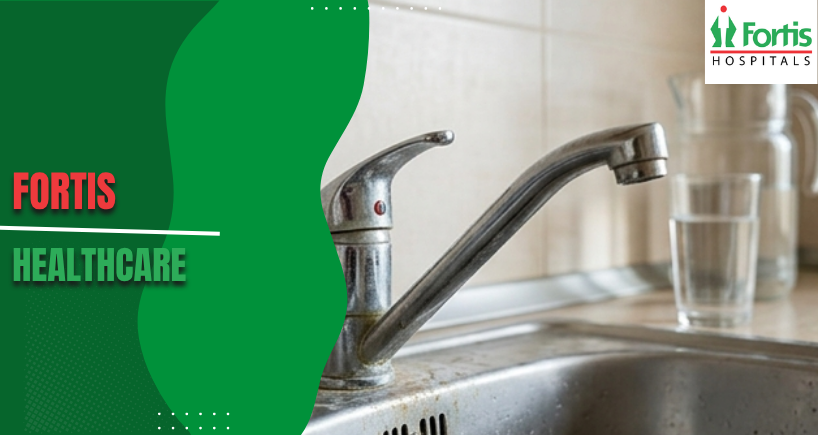


Hard Water in Delhi and Kidney Stones Is There a Real Connection? A Nephrologist Explains
If you have had a kidney stone or know someone in Delhi who has you have probably heard the question: "Is it the water?"
Delhi has one of the highest rates of kidney stone presentations in India's major cities. And Delhi's water supply is well-known for its hardness a high mineral content, particularly calcium and magnesium, that leaves white deposits on taps, kettles, and bathroom tiles.
So is there a real connection between drinking hard water in Delhi and developing kidney stones? The answer is more nuanced than a simple yes or no and understanding it matters, because kidney stones are not just painful. Recurring kidney stones are a risk factor for chronic kidney disease.
Here is what the evidence actually says, and what a nephrologist would advise Delhi patients to do about it.
What makes Delhi's water "hard"?
Water hardness is measured by its concentration of dissolved minerals primarily calcium and magnesium. Delhi's water, sourced largely from the Yamuna River and underground aquifers in the NCR region, is classified as moderately to highly hard in most areas of the city.
This hardness is not inherently dangerous for healthy individuals. But it does mean that the water contributes a baseline level of calcium to the daily diet a relevant factor when assessing kidney stone risk.
The science of kidney stone formation
Kidney stones form when certain substances in the urine calcium, oxalate, uric acid, or phosphate — become concentrated enough to crystallise rather than remain dissolved. The most common type, responsible for approximately 80% of kidney stones in India, is calcium oxalate.
Kidney stone formation is not caused by a single factor. It results from a combination of:
- High urinary calcium excretion (hypercalciuria)
- High urinary oxalate from dietary sources (spinach, tomatoes, nuts, chocolate)
- Inadequate fluid intake (the most common single contributor)
- High dietary sodium (which increases urinary calcium excretion)
- Low dietary citrate (citrate inhibits stone formation)
- Certain metabolic conditions (hyperparathyroidism, gout, inflammatory bowel disease)
Does hard water actually cause kidney stones?
This is where the evidence gets interesting and somewhat counterintuitive.
Multiple epidemiological studies, including research published in the European Journal of Epidemiology, have examined the relationship between water hardness and kidney stone incidence. The results are mixed. Some studies find a modest association between very hard water and calcium stone risk; others find no significant relationship, and a few even suggest that the calcium in hard water may slightly reduce the risk of certain stone types by binding dietary oxalate in the gut before it can be absorbed.
The current consensus among nephrologists including India's leading kidney stone specialists is that hard water alone does not cause kidney stones in people who are not otherwise at risk. However, hard water may be a contributing factor in people who already have multiple risk factors, particularly if they are also under-hydrated, consuming a high-sodium diet, or eating large quantities of oxalate-rich foods.
Delhi patients face a specific combination: hard water, a North Indian diet that includes significant amounts of spinach (palak), tomatoes, and nuts, and a warm climate that drives fluid losses through sweat leading to concentrated urine if intake is not compensated.
The most evidence-based advice from Delhi nephrologists
Based on established nephrology guidelines and the specific context of Delhi's water and diet patterns, the advice Delhi patients receive from the best nephrologists in the city consistently includes:
Increase fluid intake significantly
The single most effective intervention for kidney stone prevention is increasing urine output to at least 2–2.5 litres per day. This requires drinking approximately 3 litres of fluid daily in Delhi's summer months. The type of fluid matters less than the quantity plain water, coconut water, and diluted fresh fruit juices all contribute. Sugary beverages and cola drinks are associated with increased stone risk and should be limited.
Reduce dietary sodium
High-sodium diets are one of the most significant drivers of urinary calcium excretion. Reducing salt intake processed foods, pickles (achaar), and excessive added salt at the table reduces the calcium load in the urine and meaningfully lowers stone risk.
Moderate oxalate-rich foods
If you have had a calcium oxalate stone, you do not need to eliminate spinach, tomatoes, or nuts but moderating portion sizes and pairing high-oxalate foods with calcium-containing foods (dairy, for example) reduces the amount of oxalate absorbed from the gut.
Consider a water filter
While the evidence does not support hard water as a primary cause of kidney stones, installing a reverse osmosis (RO) filter that reduces mineral content is a reasonable step for patients who have had recurrent calcium stones and who live in areas of Delhi with particularly high water hardness.
When to see a nephrologist in Delhi for kidney stones
One kidney stone episode should prompt a consultation with a nephrologist not just a urologist. While a urologist may remove the stone, a nephrologist investigates why the stone formed and what metabolic changes can prevent the next one.
A nephrologist will order a 24-hour urine collection the most informative test in kidney stone evaluation which measures urinary calcium, oxalate, citrate, uric acid, sodium, and volume. This profile guides specific dietary and medication interventions tailored to your stone type.
Conclusion
Hard water in Delhi likely plays a modest contributing role in kidney stone risk for patients who already have other risk factors. But it is not the villain the popular narrative suggests and it is certainly not the primary reason Delhi has high kidney stone rates.
Inadequate fluid intake, a high-sodium diet, and low citrate consumption are far more modifiable and impactful targets. A nephrologist in Delhi can assess your specific metabolic profile and give you a prevention plan that goes far beyond simply switching to bottled water.
Categories
Clear allMeet the doctor

- Organ Transplant | Kidney Transplant
- Nephrology | Nephrology
-
 14 Years
-
 1500
1500
Related Blogs
View all




FAQs
Should I stop drinking Delhi tap water after a kidney stone?
Not necessarily — focus on drinking more fluid of any kind; volume matters more than source, though a RO filter is a reasonable added precaution for recurrent calcium stone formers.
What foods should Delhi patients avoid after a kidney stone?
For calcium oxalate stones (the most common): reduce spinach, nuts, chocolate, and excessive sodium — your nephrologist will personalise advice based on your 24-hour urine results.
How much water should I drink to prevent kidney stones?
Aim to produce at least 2–2.5 litres of urine daily — roughly 3 litres of fluid intake, more in summer or if you exercise regularly.
Can kidney stones lead to kidney disease?
Yes — recurrent stones causing repeated obstruction or infection can gradually damage kidney tissue and contribute to CKD over time.

Keep track of your appointments, get updates & more!

