
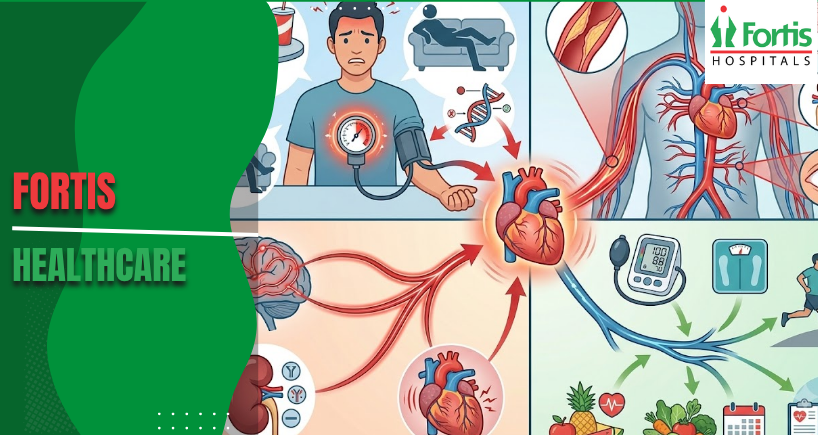


How High Blood Pressure Silently Damages the Kidneys
High blood pressure is often called a “silent” condition because many people live with it for years without noticeable symptoms. What makes hypertension even more dangerous is the impact it can quietly have on major organs, especially the kidneys.
Across India, rising stress levels, unhealthy eating habits, obesity, poor sleep, and sedentary lifestyles are contributing to a sharp increase in hypertension cases, even among younger adults. While most people associate high blood pressure with heart disease or stroke, fewer realise that uncontrolled blood pressure can gradually weaken kidney function over time.
The damage usually develops slowly, which is why many patients only discover kidney complications after significant loss of kidney function has already occurred.
Understanding the Connection Between Blood Pressure and the Kidneys
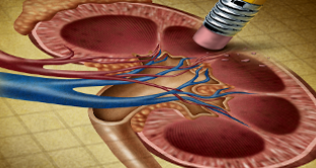
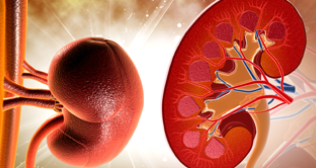
The kidneys contain tiny blood vessels that help filter waste products and excess fluid from the blood.
Healthy blood flow is essential for this filtration process. However, when blood pressure remains consistently high, these delicate blood vessels begin experiencing excessive force and strain.
Over time, this pressure can:
- Damage kidney blood vessels
- Reduce filtration efficiency
- Cause scarring inside the kidneys
- Impair fluid and waste removal
As kidney function declines, blood pressure may rise even further, creating a harmful cycle.
Why Kidney Damage Often Goes Undetected
One of the biggest concerns with hypertension-related kidney damage is that symptoms may not appear early.
Many people continue feeling normal while gradual kidney injury progresses silently in the background.
In several cases, kidney disease is discovered only during:
- Routine blood tests
- Health check-ups
- Evaluation for uncontrolled blood pressure
- Investigation of swelling or fatigue
This delayed diagnosis increases the risk of long-term complications.
How High Blood Pressure Affects Kidney Function
Persistent hypertension can affect the kidneys in multiple ways.
Narrowing of Blood Vessels
Constant pressure can cause kidney blood vessels to become thickened and narrowed.
Reduced blood flow limits the kidneys’ ability to function properly.
Damage to Filtration Units
The kidneys contain microscopic filtering structures called nephrons.
High blood pressure can gradually damage these filtration units, allowing protein and waste products to leak abnormally.
Increased Fluid Retention
When kidney function becomes impaired, the body may struggle to remove excess fluid and sodium effectively.
This can worsen:
- Swelling
- Blood pressure
- Heart strain
Progression to Chronic Kidney Disease
If hypertension remains uncontrolled for years, kidney damage may eventually progress to chronic kidney disease or kidney failure.
Common Warning Signs People Ignore
Early kidney damage related to hypertension may cause mild or vague symptoms.
Some signs include:
- Persistent fatigue
- Swelling in the feet or ankles
- Puffiness around the eyes
- Frequent urination at night
- Reduced urine output
- Difficulty concentrating
- Muscle cramps
- Poor appetite
Many individuals do not connect these symptoms to kidney health initially.
Why Younger Adults Are Increasingly at Risk
High blood pressure is no longer limited to older adults.
Today, younger populations are developing hypertension due to:
- Work-related stress
- Physical inactivity
- Processed food intake
- Obesity
- Smoking
- Alcohol consumption
- Poor sleep quality
- Excessive screen time
As hypertension develops earlier, the risk of long-term kidney complications also increases.
The Role of Salt and Processed Foods
High sodium intake is one of the major contributors to elevated blood pressure.
Processed foods commonly consumed today often contain excessive salt, including:
- Packaged snacks
- Instant noodles
- Fast food
- Frozen meals
- Processed meats
Excess sodium increases fluid retention and places additional stress on blood vessels and kidneys.
Can Kidney Disease Increase Blood Pressure Too?
Yes.
The relationship works both ways.
Damaged kidneys may:
- Retain excess fluid
- Disturb hormone regulation
- Increase sodium imbalance
These changes can worsen hypertension further, making blood pressure more difficult to control.
Who Is More Vulnerable to Hypertension-Related Kidney Damage?
The risk is higher among people with:
- Diabetes
- Obesity
- Family history of hypertension
- Existing kidney disease
- Smoking habits
- Heart disease
- Sedentary lifestyle
People with poorly controlled blood pressure over long periods are especially vulnerable.
When Should Someone Seek Medical Evaluation?
Medical consultation is important if:
- Blood pressure remains consistently high
- Swelling develops
- Fatigue becomes persistent
- Urination patterns change
- Blood pressure medications stop working effectively
Regular monitoring is particularly important for individuals with diabetes or family history of kidney disease.
How Kidney Damage Is Diagnosed
Doctors may recommend several investigations to assess kidney health.
Blood Tests
These help evaluate:
- Creatinine levels
- Kidney filtration rate (eGFR)
- Electrolyte balance
Urine Tests
Urine analysis may detect:
- Protein leakage
- Blood
- Early kidney damage markers
Blood Pressure Monitoring
Consistent tracking helps assess hypertension severity and treatment response.
Imaging Tests
Ultrasound may help identify:
- Structural kidney abnormalities
- Reduced kidney size
- Obstruction or swelling
At Fortis Hospital Delhi, nephrology specialists use comprehensive diagnostic evaluation and personalised treatment planning to identify hypertension-related kidney damage early and support long-term kidney protection.
Can Kidney Damage From High Blood Pressure Be Prevented?
In many cases, yes.
Proper blood pressure management significantly reduces the risk of kidney complications.
Control Blood Pressure Consistently
Regular monitoring and timely treatment are essential.
Reduce Salt Intake
Lower sodium consumption helps reduce pressure on blood vessels and kidneys.
Maintain Healthy Weight
Weight management improves blood pressure control and metabolic health.
Exercise Regularly
Physical activity supports:
- Better circulation
- Weight control
- Heart health
- Blood pressure management
Limit Smoking and Alcohol
Both can worsen blood vessel damage and increase hypertension risk.
Manage Diabetes Properly
Blood sugar control plays a major role in protecting kidney function.
Prioritise Regular Health Check-Ups
Routine kidney function testing can detect early damage before symptoms become severe.
Frequently Asked Questions
Can high blood pressure damage the kidneys?
Yes. Uncontrolled hypertension can gradually damage kidney blood vessels and impair kidney function.
Does kidney damage always cause symptoms?
No. Early kidney damage often develops silently without obvious warning signs.
Can younger adults develop hypertension-related kidney disease?
Yes. Rising obesity, stress, poor diet, and sedentary lifestyles are increasing risk among younger populations.
How can kidney damage from high blood pressure be detected?
Doctors may use blood tests, urine analysis, blood pressure monitoring, and imaging tests to evaluate kidney health.
Can controlling blood pressure protect the kidneys?
Yes. Proper blood pressure management is one of the most effective ways to reduce kidney damage risk.
Conclusion
High blood pressure can quietly affect kidney health for years before noticeable symptoms appear. Because the kidneys rely heavily on healthy blood flow, uncontrolled hypertension can gradually damage their ability to filter waste and regulate fluid balance.
With hypertension cases rising rapidly in India, awareness, early screening, and preventive care have become increasingly important. Managing blood pressure early can significantly reduce the risk of chronic kidney disease and long-term complications.
If you have persistent hypertension, swelling, fatigue, or risk factors linked to kidney disease, consulting a kidney specialist at Fortis Healthcare can help ensure timely diagnosis and long-term kidney protection.
Categories
Clear allMeet the doctor

- Organ Transplant | Kidney Transplant
- Nephrology | Nephrology
-
 40 Years
-
 2000
2000
Related Blogs
View all




FAQs

Keep track of your appointments, get updates & more!

