
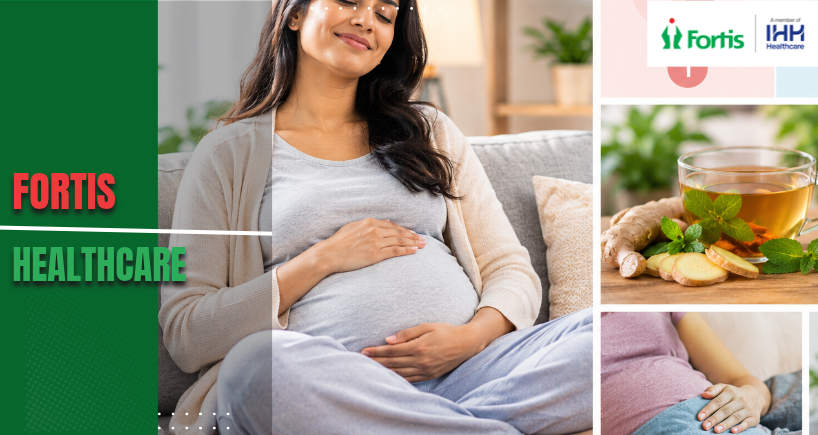


How to Relieve Pregnancy Bloating - Safe Remedies for Each Trimester
Bloating does not look the same at every stage of pregnancy. The hormonal surge of the early weeks, the changing body of the middle months, and the crowded abdomen of the final weeks each bring their own causes and challenges. That is why how to relieve pregnancy bloating depends partly on where you are in your journey.
This guide walks through each trimester, with safe pregnancy bloating remedies and clear warning signs. Always check with your doctor before trying something new, particularly if you have a high-risk pregnancy.
Remedies That Help in Every Trimester
Some measures help at any stage:
- Eat small, frequent meals and chew slowly
- Drink water regularly through the day
- Walk gently after meals
- Wear loose, comfortable clothing
- Add fibre gradually from fruits, vegetables, and whole grains
- Note and limit your personal trigger foods
- Avoid medicines and herbal products unless your doctor approves
Pregnancy Bloating in First Trimester
Pregnancy bloating in first trimester is often one of the earliest signs, sometimes appearing even before a missed period is confirmed.
Why It Happens
- Progesterone rises quickly, slowing digestion
- Nausea and food aversions change eating patterns
- Iron and prenatal vitamins may cause constipation
- Fatigue reduces activity
The uterus is still small and sits low in the pelvis, so the bloating is mostly hormonal, not from pressure.
What Can Help
- Small bland meals such as plain rice, toast, bananas, curd, or khichdi, if nausea is a problem
- Sipping fluids between meals instead of large amounts with meals
- Gentle fibre from fruits and cooked vegetables
- Ginger in food in small amounts, if you tolerate it, after checking with your doctor
- Taking prenatal supplements with food or at a time that suits your stomach, as advised by your doctor
- Fresh air and short walks
When to Be Careful
Bloating with sharp, one-sided abdominal pain and vaginal spotting or bleeding in early pregnancy can signal an ectopic pregnancy or miscarriage. Seek urgent medical care. Severe, persistent vomiting should also be evaluated.
Second Trimester Bloating
Many women feel better in the second trimester as nausea eases, but bloating can continue.
- Constipation may persist because progesterone remains high
- The growing uterus begins to rise out of the pelvis
- Appetite may return, and larger meals can cause discomfort
Helpful steps include keeping up fluids and fibre, doing regular prenatal exercise as approved by your doctor, and spreading meals through the day.
Pregnancy Bloating in Third Trimester
Pregnancy bloating in third trimester can feel more intense because the baby is large and takes up a lot of room.
Why It Happens
- The uterus presses on the stomach and intestines, leaving less space for food and gas
- Digestion is still slowed by hormones
- Heartburn and reflux are common, and they can feel like bloating
- Constipation is common, and haemorrhoids can make passing stool uncomfortable
- Reduced mobility lowers gut movement
What Can Help
- Very small, frequent meals to avoid overfilling the stomach
- Eating dinner early, at least two to three hours before bed
- Sleeping with your upper body slightly raised with pillows if reflux troubles you
- Staying hydrated and continuing gradual fibre intake
- Gentle walking and stretching, as your doctor allows
- Avoiding tight waistbands and sitting upright after meals
- Reducing triggers such as fried food, carbonated drinks, and large meals
When to Be Careful
In the third trimester, do not assume all abdominal fullness is bloating. Call your doctor promptly for:
- Regular painful contractions or tightening before 37 weeks
- Leaking of fluid or bleeding
- Reduced baby movements
- Sudden swelling of the face and hands, severe headache, blurred vision, or pain in the upper right abdomen, which can be signs of pre-eclampsia
- Severe or persistent abdominal pain
- Persistent vomiting or fever
Safe Pregnancy Bloating Remedies: Quick Reference
- Small frequent meals: reduce pressure on a slow, crowded gut
- Hydration: softens stools and eases constipation
- Gradual fibre: supports regular bowel movements
- Walking and gentle exercise: helps gas move through the gut
- Trigger food awareness: reduces avoidable gas
- Comfortable clothing and posture: lowers abdominal pressure
- Doctor-approved supplements or medicines only: keeps you and the baby safe
What to Avoid
- Self-prescribing laxatives, antacids, or gas medicines
- Herbal teas, powders, or concentrated supplements without medical advice
- Skipping meals or severely restricting your diet to avoid bloating
- Heating pads directly on the belly
- Ignoring warning signs, hoping they will pass
Emotional Comfort
Feeling bloated can affect body image and confidence. Remember that your body is doing remarkable work. Talk to your partner or family about what helps, and share concerns with your doctor at antenatal visits.
Conclusion
Learning how to relieve pregnancy bloating becomes easier when you know what to expect at each stage. Pregnancy bloating in first trimester is mostly hormonal, pregnancy bloating in third trimester is often linked to a crowded abdomen and reflux, and in all stages simple pregnancy bloating remedies such as small meals, hydration, gradual fibre, and gentle movement help. Keep an eye out for warning signs and ask your doctor before using any medicines or herbal products.
Categories
Clear allRelated Blogs
View all

Bacterial Vaginosis: Causes, Symptoms And Treatment


Awareness, Breast Self-Examination And Regular Screening Examination Can Change The Life o...

Hormonal Imbalance: Symptoms, Causes And Treatment

Evolution of Gynae & Cancer Surgeries With Robotics

Know The Top 11 Benefits of Antenatal Exercises

FAQs
How to relieve pregnancy bloating safely?
Eat small meals, drink water, add fibre gradually, walk gently, and avoid trigger foods. Ask your doctor before using any medicine.
Is pregnancy bloating in first trimester normal?
Yes. Rising progesterone slows digestion, so bloating is common early on. Severe pain or bleeding needs urgent care.
Why is pregnancy bloating in third trimester worse?
The large uterus crowds the stomach and intestines, and reflux and constipation are common in late pregnancy.
What pregnancy bloating remedies are safe for all trimesters?
Small frequent meals, hydration, gradual fibre, gentle walking, and loose clothing are generally safe.

Keep track of your appointments, get updates & more!

