
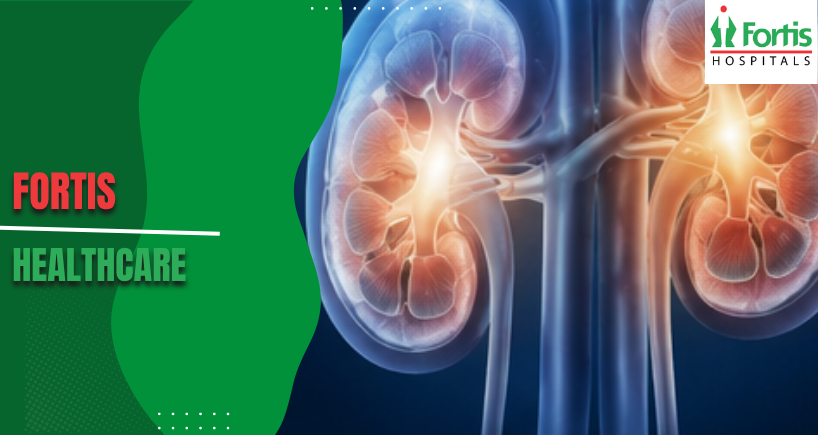


India Best Nephrologists on Tackling Rare Glomerular Diseases Like IgA Nephropathy
Rare kidney diseases affecting the glomeruli require specialist expertise that general physicians may not possess. IgA nephropathy develops when antibody deposits accumulate in kidney filters, causing progressive damage over years. Many patients receive delayed diagnoses because initial symptoms remain subtle or get mistaken for common urinary tract infections.
Finding experienced kidney specialists becomes crucial when standard treatments fail or when biopsy results reveal complex glomerular patterns. The best nephrologist in Delhi brings advanced training in immune-mediated kidney diseases and access to specialised diagnostic tools. Understanding what these specialists offer helps patients navigate treatment options for conditions that affect fewer than 50 people per million population.
Understanding IgA Nephropathy Development
This condition occurs when immunoglobulin A proteins deposit within the glomerular mesangium. These deposits trigger inflammation that damages the filtering units over time. Blood and protein leak into urine whilst kidney function gradually declines.
Genetics play a role because the disease clusters in families and varies across ethnic groups. Asian populations show higher prevalence rates compared to other regions. Environmental triggers like infections may activate disease processes in people carrying susceptible genes.
When a hereditary pattern is suspected, offering genetic counselling helps families understand risks and testing options. Simple urine and blood screening for relatives can detect early signs before symptoms appear. In selected cases, targeted genetic panels clarify inheritance patterns and guide surveillance strategies for at risk family members.
Why Glomerular Diseases Need Specialist Care
Kidney biopsy interpretation requires specific pathology expertise that identifies subtle disease patterns. The best nephrologist doctor in India collaborates with nephropathologists who analyse tissue under electron microscopy and immunofluorescence staining. These techniques reveal antibody deposition patterns that confirm diagnosis and guide treatment selection.
Treatment decisions involve weighing immunosuppression benefits against infection risks and other side effects. Specialists stay current with emerging therapies through research conferences and clinical trial participation. Many rare glomerular diseases lack standardised treatment protocols, making experienced clinical judgement essential for optimal outcomes.
Diagnostic Approaches Used by Specialists
Comprehensive evaluation starts with detailed medical history focusing on previous infections, family kidney disease, and medication exposures. Physical examination checks blood pressure and looks for swelling indicating fluid retention. Initial laboratory tests measure kidney function through creatinine and estimate glomerular filtration rates.
Urine analysis detects blood cells and protein levels that suggest glomerular damage. Twenty-four hour urine collections quantify protein loss more accurately than spot samples. TheBest Hospital in India provides advanced nephrology services with comprehensive diagnostic capabilities for complex glomerular diseases.
Treatment Strategies for IgA Nephropathy
Blood pressure control forms the foundation of management because hypertension accelerates kidney damage. ACE inhibitors or ARBs reduce protein leakage whilst protecting remaining kidney function. Target blood pressure typically stays below 130 over 80 for patients with significant proteinuria.
Immunosuppressive medications help selected patients with progressive disease despite optimal blood pressure control. Corticosteroids reduce inflammation but carry side effects requiring careful monitoring. Newer agents like mycophenolate or cyclophosphamide may benefit specific cases based on biopsy findings and disease severity.
Before starting immunosuppressive therapy, review vaccination status and screen for latent infections such as hepatitis B and tuberculosis. Non live vaccines like influenza and pneumococcal shots reduce preventable illness. Prophylactic antibiotics or antiviral strategies may be appropriate for high risk regimens, and close infection surveillance continues throughout treatment.
Accessing Tertiary Care Facilities
Complex glomerular diseases often require resources available only at major medical centres. The best nephrology hospital in Delhi maintains kidney biopsy services, specialised pathology, and multidisciplinary teams. These facilities offer access to clinical trials testing novel treatments for rare conditions.
Tertiary centres provide dialysis readiness programmes and transplant evaluation for patients developing advanced kidney failure. Genetic counselling services help families understand inheritance patterns and screening recommendations. Patients benefit from nephrology nurses who educate about diet modifications, medication management, and complication prevention.
Reproductive planning matters for many patients facing immunosuppression. Discuss fertility preservation options prior to cytotoxic agents, and review safer medication alternatives when pregnancy is desired. Pregnancy care requires joint management with obstetrics and nephrology to balance maternal kidney health and fetal safety, with tailored monitoring throughout gestation.
Managing Disease Progression Factors
Diet modifications reduce kidney workload whilst maintaining adequate nutrition. Protein intake requires careful balance because excessive amounts stress damaged kidneys whilst insufficient protein causes malnutrition. Sodium restriction helps control blood pressure and reduces fluid retention.
Fish oil supplements containing omega-3 fatty acids show some benefit in reducing proteinuria and slowing progression. However, evidence remains mixed and dosing recommendations vary. Patients should discuss supplement use with their best nephrologist in Delhi before starting because interactions with prescribed medications can occur.
When to Seek Nephrologist Consultation
Persistent blood in urine visible to the naked eye or detected on routine testing warrants nephrology referral. Protein levels exceeding 500 milligrams per day indicate significant kidney damage requiring specialist assessment. Rising creatinine levels or declining kidney function estimates trigger urgent evaluation needs.
Swelling in legs, around eyes, or causing breathing difficulty suggests severe protein loss. High blood pressure that proves difficult to control with standard medications may signal underlying kidney disease. The best nephrologist doctor in India can distinguish primary kidney problems from secondary damage caused by diabetes or other systemic conditions.
Role of Kidney Biopsy in Diagnosis
Tissue sampling remains the definitive diagnostic method for most glomerular diseases. The procedure involves inserting a needle through the back to obtain tiny kidney tissue cores. Local anaesthesia makes the process tolerable whilst ultrasound guidance ensures accurate sampling.
Pathologists examine tissue architecture, identify antibody deposits, and assess inflammation severity. Electron microscopy reveals ultrastructural changes invisible under standard microscopy. These findings guide treatment intensity and help predict long-term outcomes based on damage extent.
Monitoring Treatment Response
Regular laboratory testing tracks proteinuria levels that indicate treatment effectiveness. Declining protein excretion suggests medications are controlling disease activity. Stable kidney function measurements over months to years demonstrate successful disease management.
Repeat kidney biopsies sometimes help assess treatment response when laboratory values remain ambiguous. Some patients show clinical improvement whilst tissue inflammation persists. Biopsy findings may prompt treatment intensification or justify continuing current therapy despite slow progress.
Sustained disease control depends on coordinated long term follow up. Use local laboratory networks for interim urine protein and kidney function checks, and schedule regular specialist reviews for treatment adjustments. Clear medication lists, timely lab reporting, and accessible lines of communication between patients and the nephrology team reduce delays in detecting relapse or toxicities.
Connecting with Support Networks
Patient organisations provide valuable information about living with rare kidney diseases. Online communities connect individuals facing similar challenges who share coping strategies and experiences. Educational programmes help patients understand their condition and participate actively in treatment decisions.
The best nephrology hospital in Delhi often coordinates support groups where patients meet others managing glomerular diseases. These connections reduce isolation whilst providing practical advice about medication side effects, dietary adjustments, and lifestyle modifications. Healthcare teams encourage patient engagement through shared decision making about treatment options and monitoring schedules.
Categories
Clear allRelated Blogs
View all






FAQs

Keep track of your appointments, get updates & more!

