
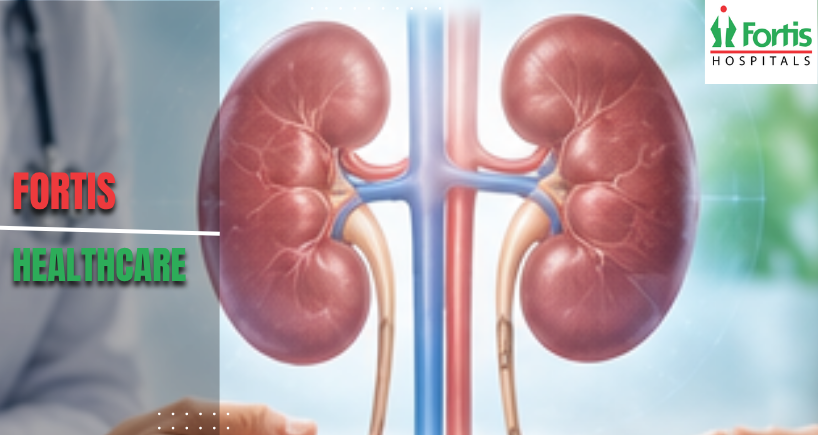


Keeping Your Kidneys Healthy When to See a Kidney Specialist
Your kidneys work continuously to filter waste and excess fluid from your blood while helping regulate blood pressure, electrolytes, and other important functions. Because kidney disease can develop gradually, the early signs are not always obvious. In many cases, a person may have reduced kidney function without experiencing noticeable symptoms.
Knowing when to consult a kidney specialist, or nephrologist, can help identify problems early and support appropriate treatment. Regular monitoring is particularly important for people with diabetes, high blood pressure, a family history of kidney disease, or other conditions that increase the risk of kidney problems.
Decoding the Early Warning Signals
Kidney problems can sometimes cause changes in the way your body handles fluid and waste. One possible sign is swelling (oedema), particularly around the ankles, feet, legs, or sometimes the area around the eyes. This can happen when the kidneys are unable to remove excess salt and fluid effectively, although swelling can also have other causes.
Changes in urination may also require medical attention. These can include:
- Urinating more or less frequently than usual
- Waking frequently at night to urinate
- Blood in the urine
- Persistent foamy or frothy urine
- Pain or burning while urinating
- Difficulty passing urine
- Changes in the amount of urine produced
Foamy urine can sometimes be associated with protein in the urine, while blood in the urine may have several possible causes, including kidney stones, urinary infections, or kidney disease. These symptoms should therefore be evaluated rather than assumed to be caused by kidney problems alone.
Other symptoms of more advanced kidney dysfunction may include persistent fatigue, nausea, reduced appetite, itching, muscle cramps, or breathlessness caused by fluid accumulation.
Managing Chronic Conditions Safely
Certain long-term health conditions can significantly increase the risk of kidney disease.
High Blood Pressure
High blood pressure can damage the blood vessels within the kidneys over time. At the same time, kidney disease can contribute to or worsen high blood pressure, creating a cycle that may progressively affect kidney function.
Keeping blood pressure within the range recommended by your doctor is therefore an important part of kidney protection. Depending on your individual condition, treatment may include lifestyle changes and prescribed medicines.
Diabetes
Diabetes is another major risk factor for chronic kidney disease. Persistently high blood glucose can damage the small blood vessels responsible for filtering blood in the kidneys.
People with diabetes may benefit from regular monitoring of kidney function and urine protein, even when they do not have symptoms. Early detection of kidney involvement can allow treatment to focus on slowing further progression.
A nephrologist can work alongside a physician or diabetologist to monitor kidney function and help manage complications when necessary.
Evaluating Kidney Function
Kidney health cannot always be assessed based on symptoms alone. Doctors commonly use blood and urine tests to understand how well the kidneys are functioning.
A blood test can measure serum creatinine, which is then used along with other factors to estimate the glomerular filtration rate (eGFR). The eGFR provides an indication of how effectively the kidneys are filtering blood.
Urine testing may also be used to check for:
- Protein or albumin
- Blood
- Signs of infection
- Other abnormalities associated with kidney disease
Depending on the situation, your doctor may also recommend an ultrasound or other imaging tests to examine the kidneys and urinary tract.
Importantly, one abnormal test does not necessarily mean that a person has permanent kidney disease. Results need to be interpreted in context, often with repeat testing and consideration of other health conditions.
When Should You See a Kidney Specialist?
A primary care doctor or physician can initially evaluate many kidney-related concerns. A nephrologist may become involved when there is persistent or significant kidney dysfunction, difficult-to-control blood pressure, substantial protein in the urine, electrolyte abnormalities, recurrent kidney problems, or advanced chronic kidney disease.
You may also be referred to a kidney specialist if blood or urine tests repeatedly show abnormalities or if your kidney function is declining.
Early specialist assessment can be particularly useful because treatment is often aimed at slowing kidney disease progression and managing its underlying cause, rather than waiting until kidney function becomes severely impaired.
Supporting Kidney Health Through Daily Habits
There is no single diet or lifestyle plan that works for everyone with kidney disease. Recommendations should be based on your kidney function, medications, blood pressure, diabetes status, and other health conditions.
Some general measures that may support kidney health include:
- Maintaining a healthy blood pressure
- Keeping blood glucose under appropriate control
- Following a balanced diet
- Limiting excessive salt intake
- Maintaining a healthy weight
- Staying physically active
- Avoiding unnecessary use of medicines that can affect the kidneys, particularly certain painkillers
- Following medical advice regarding fluid intake
It is important not to dramatically increase or restrict fluid intake without medical advice. People with advanced kidney disease, heart conditions, or fluid retention may have different fluid requirements.
Understanding Severe Kidney Failure
When kidney function becomes severely reduced, the kidneys may no longer be able to remove enough waste and excess fluid to maintain the body's normal balance. This is known as kidney failure.
At this stage, some patients may require dialysis or may be evaluated for a kidney transplant.
How Does Dialysis Help?
Dialysis is a treatment that performs some of the functions normally carried out by healthy kidneys.
In haemodialysis, blood is circulated through a specialised filter called a dialyser, where waste products and excess fluid are removed before the blood is returned to the body.
Effective vascular access is essential for haemodialysis. Depending on the patient's circumstances, this may involve an arteriovenous (AV) fistula, AV graft, or catheter.
The type and timing of vascular access are planned according to the individual's kidney function, overall health, and expected dialysis requirements.
Exploring Kidney Transplantation
For suitable patients with kidney failure, a kidney transplant may provide an alternative to long-term dialysis. It involves placing a healthy donor kidney into the recipient's body so that it can perform the functions that the failing kidneys can no longer perform adequately.
Kidney transplantation does not mean that the underlying kidney condition has necessarily been cured. Recipients require regular medical follow-up and lifelong medicines called immunosuppressants to reduce the risk of rejection.
What Happens During a Kidney Transplant?
During transplantation, the donor kidney is generally placed in the lower abdomen or pelvic region rather than removing the patient's own kidneys in routine cases. The donor kidney's blood vessels are connected to blood vessels in the recipient, and the ureter is connected to the bladder so urine can pass from the transplanted kidney.
The transplanted kidney may begin producing urine soon after surgery, although the timing can vary. Some patients may temporarily require dialysis if the new kidney does not function immediately.
Recovery involves careful monitoring for complications, adjustment of immunosuppressive medicines, and regular testing of kidney function.
Choosing the Right Kidney Care Team
Kidney disease often requires long-term monitoring rather than a one-time intervention. When choosing a nephrology service or Best Hospital in India, consider factors such as:
- Experienced nephrologists and supporting specialists
- Access to reliable laboratory and imaging services
- Dialysis facilities when required
- Vascular access expertise
- Transplant services for eligible patients
- Intensive care support for complex cases
- Multidisciplinary coordination between nephrology, urology, surgery, cardiology, diabetology, and other specialties when needed
The most appropriate treatment depends on the individual's diagnosis, kidney function, age, medications, and overall health.
When Should You Seek Medical Advice?
Do not wait for severe symptoms before discussing possible kidney problems with a healthcare professional. Seek medical evaluation if you notice persistent changes in urination, blood in the urine, unexplained swelling, or other concerning symptoms.
People with diabetes, high blood pressure, cardiovascular disease, a family history of kidney disease, or previously abnormal kidney tests should also discuss appropriate kidney-function monitoring with their doctor.
Final Thoughts
Your kidneys can lose function gradually without producing obvious symptoms in the early stages. Regular health checks, appropriate blood and urine testing, and good management of conditions such as diabetes and high blood pressure can play an important role in protecting kidney health.
If tests show persistent abnormalities or kidney function is declining, a nephrologist can help identify the underlying problem and develop an appropriate treatment plan. For people with advanced kidney failure, dialysis and kidney transplantation are established treatment options for suitable patients.
The earlier kidney problems are recognised, the more opportunities there may be to manage the underlying cause, slow progression, and protect overall health.
Categories
Clear allRelated Blogs
View all






FAQs

Keep track of your appointments, get updates & more!

