



Kidney Transplant Cost in India - Medicines and Long-Term Expenses
Medicine Made Simple Summary
The cost of a kidney transplant in India is not just about the surgery. Families also need to plan for tests, hospital stay, donor evaluation, and lifelong expenses on medicines and checkups. Government and private hospitals have very different costs, and insurance coverage varies. This guide explains the complete financial picture of a kidney transplant in India in simple terms. By knowing the breakdown, patients and families can prepare better and avoid surprises.
Introduction
For patients with end-stage kidney disease, a transplant offers the best chance for a healthy and longer life compared to dialysis. However, one of the first questions families ask is: what does a kidney transplant actually cost? The answer is not simple. In India, costs vary widely depending on the hospital, the patient’s health condition, and post-surgery needs. This article breaks down the financial aspects of a kidney transplant in India, from surgery to medicines and long-term care.
1. Average Cost of Kidney Transplant Surgery in India
The cost of a kidney transplant depends on whether it is performed in a government or private hospital. In government hospitals, costs can range from INR 1.5 to 3 lakhs, often heavily subsidized. In private hospitals, the cost is much higher, usually between INR 5 and 12 lakhs. This includes surgery, hospital stay, donor and recipient evaluation, and immediate post-operative care. Internationally, the cost of a kidney transplant is far higher (in the US it can exceed INR 2–3 crores), which is why India has become a preferred destination for many patients.
2. Pre-Transplant Evaluation Costs
Before surgery, both the donor and the recipient undergo extensive medical tests to ensure safety and compatibility. These include blood typing, HLA matching, crossmatch tests, heart function tests, X-rays, CT scans, and dental and infection screenings. The cost of pre-transplant evaluation ranges from INR 50,000 to 1.5 lakhs, depending on the hospital and number of tests required.
3. Cost of Hospital Stay and Surgery
A kidney transplant requires advanced surgical teams and ICU facilities. Hospitalization usually lasts 10 to 20 days for the recipient and a shorter stay for the donor. The cost covers the ƒ, anesthesia, ICU stay, medicines, and nursing care. In private hospitals, this alone can cost INR 3 to 6 lakhs, while in government hospitals it is significantly lower due to subsidies.
4. Donor Evaluation Costs
Donors undergo their own set of medical tests to ensure they are fit to donate. This includes blood tests, kidney function tests, imaging, and psychological evaluation. The cost of donor workup typically ranges between INR 40,000 and 80,000. In some hospitals, this is included in the transplant package, while in others it is billed separately. Understanding kidney transplant eligibility can also help patients know what evaluations are required before surgery.
5. Post-Surgery Recovery Costs
After the transplant, both donor and recipient require close monitoring in the hospital. Daily lab tests, imaging, and medications during this recovery phase add to the cost. Patients may also need blood transfusions or treatment for early complications, which can increase expenses. Families should plan for an additional INR 50,000 to 1 lakh during this immediate recovery period.
6. Lifelong Cost of Medicines
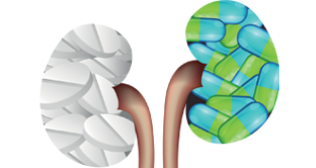
The biggest long-term expense after a kidney transplant is medicines. Patients must take immunosuppressants daily to prevent rejection. The monthly cost of these medicines in India ranges from INR 8,000 to 15,000, depending on the combination prescribed. This means families spend INR 1 to 2 lakhs every year just on medicines. Generic versions are available at lower prices, but not all patients are suitable for them. Skipping medicines is never an option, as it risks graft failure throughout kidney transplant recovery.
7. Regular Follow-Up and Tests
After discharge, patients require frequent follow-ups. In the first three months, hospital visits may be weekly, with blood tests to check kidney function and medicine levels. Over time, visits reduce but remain lifelong. Each follow-up costs INR 2,000 to 10,000, including consultation and tests. In the first year, families may spend INR 50,000 to 1 lakh on follow-ups and investigations.
8. Hidden and Indirect Costs
In addition to direct medical costs, families should prepare for indirect expenses:
- Travel and accommodation for families coming from rural areas or other states.
- Loss of income for patients and caregivers during hospitalization and recovery.
- Special diet expenses after transplant.
These hidden costs can add another INR 50,000 to 1 lakh or more in the first year.
9. Government Support and Subsidies
The Indian government has introduced several schemes to make transplants affordable. Ayushman Bharat provides coverage for poor families. Some state governments also run transplant subsidy programs. Central government hospitals and AIIMS provide high-quality transplants at a fraction of private hospital costs. Patients should explore these options early to reduce financial burden.
10. Role of Health Insurance
Many private insurance plans now cover kidney transplantation. However, coverage limits vary. Some policies cover only the surgery, not lifelong medicines. Others have caps that may not meet the full cost of care. Patients should check whether their plan covers donor expenses, post-op care, and immunosuppressants. It is advisable to upgrade to comprehensive plans whenever possible.
11. Cost-Saving Measures Without Compromising Care
Patients can reduce costs in several safe ways:
- Use government hospitals where possible.
- Choose generic versions of medicines with doctor’s approval.
- Enroll in patient assistance programs run by NGOs and pharmaceutical companies.
- Plan follow-up visits efficiently to reduce travel expenses.
Cost-saving must never come at the expense of skipping medicines or delaying checkups.
12. Long-Term Financial Planning
Since immunosuppressants and follow-ups are lifelong, families must plan finances accordingly. This includes budgeting for monthly medicine costs, keeping emergency savings for complications, and using health insurance wisely. Patients and caregivers should treat the transplant as a long-term investment in health, not a one-time expense, while also understanding kidney transplant or dialysis when discussing long-term treatment options.
Conclusion
The cost of a kidney transplant in India is a combination of surgery, hospital care, donor evaluation, medicines, follow-ups, and hidden expenses. While private hospitals may seem expensive, government programs and insurance schemes provide affordable alternatives. By understanding the full financial picture, patients and families can prepare better, avoid stress, and focus on what matters most—living a healthier, longer life with a new kidney. Patients comparing long-term treatment choices may also benefit from learning about dialysis and transplant.
Categories
Clear allMeet the doctor
}}drupal-data/images/doctor_female.jpg)
- Nephrology | Nephrology
-
 10 Years
-

Related Blogs
View all







FAQs

Keep track of your appointments, get updates & more!

