
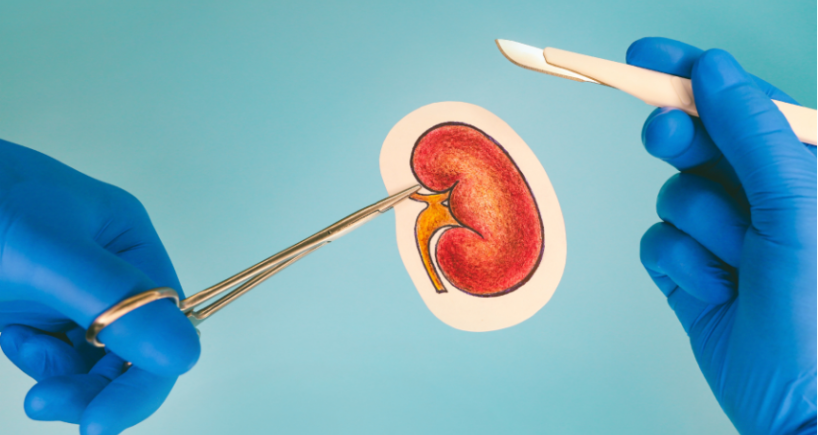


Managing Immunosuppressant Side Effects in Kidney Transplant
Medicine Made Simple Summary
Immunosuppressant medicines are vital after a kidney transplant to prevent rejection. But they can cause side effects like weight gain, high blood pressure, diabetes, or infections. Understanding these effects and how to manage them is key for long-term transplant success. This guide explains in simple terms why these medicines are necessary, what side effects patients may face, and how lifestyle, monitoring, and medical support can make living with them easier and safer.
Introduction
A kidney transplant is a new beginning, but it also brings lifelong responsibilities. To keep the transplanted kidney working, patients must take immunosuppressant medicines every day. These medicines reduce the activity of the immune system, preventing it from attacking the new kidney. However, suppressing the immune system can also cause side effects. While most are manageable, they require awareness and discipline. This article explains the most common side effects of immunosuppressants, why they happen, and practical ways to manage them.
Why Immunosuppressants Are Essential
The body’s immune system is designed to attack anything it sees as foreign. A transplanted kidney is no exception. Without medicines, the immune system would reject the new kidney within days or weeks. Immunosuppressants calm the immune response, allowing the kidney to function. Stopping or skipping these medicines is one of the biggest reasons for transplant failure. For this reason, patients must take them exactly as prescribed, for life.
Common Types of Immunosuppressants
Several types of immunosuppressants are used, often in combination to balance effectiveness and side effects:
- Calcineurin inhibitors (e.g., Tacrolimus, Cyclosporine): Prevent immune cells from activating.
- Antimetabolites (e.g., Mycophenolate mofetil, Azathioprine): Block immune cell growth.
- Corticosteroids (e.g., Prednisone): Reduce overall inflammation.
- mTOR inhibitors (e.g., Sirolimus, Everolimus): Slow immune cell growth and may protect kidneys.
Each class has its benefits and unique side effects. Doctors adjust doses carefully to find the right balance for each patient.
Common Side Effects of Immunosuppressants
Although these medicines save lives, they can cause side effects:
1. Increased risk of infections – Because the immune system is weaker, patients may catch colds, flu, or other infections more easily.
2. Weight gain – Especially from steroids, which can increase appetite and fat storage.
3. High blood pressure – Some medicines raise blood pressure, stressing the heart and kidneys.
4. Diabetes – Certain drugs affect how the body handles sugar, leading to new or worsened diabetes.
5. Bone thinning (osteoporosis) – Long-term steroids weaken bones.
6. High cholesterol and triglycerides – This raises heart disease risk.
7. Cosmetic changes – Some medicines cause acne, gum swelling, or excess hair growth.
8. Cancer risk – A weakened immune system may slightly increase the risk of some cancers, especially skin cancers.
While this list may sound worrying, most side effects can be managed with careful monitoring and lifestyle changes.
Why Side Effects Vary from Person to Person
Not every patient experiences all side effects. The impact depends on:
- Type of medicine used
- Dosage and duration
- Patient’s age and overall health
- Lifestyle factors like diet, exercise, and smoking.
Doctors personalize treatment to reduce risks, often combining lower doses of multiple medicines rather than high doses of one.
How to Manage Infections
Since the immune system is weaker, infections are a common concern. Patients can protect themselves by:
- Washing hands regularly\
- Avoiding crowded places during flu season
- Keeping vaccinations up to date (with doctor’s approval)
- Reporting fever, cough, or unusual symptoms immediately
With prompt care, most infections can be treated without harming the kidney.
Managing Weight Gain and Diabetes
Steroids and other drugs can cause weight gain and raise blood sugar. To manage this:
- Follow a balanced diet rich in vegetables, lean proteins, and whole grains
- Limit sugary foods, fried items, and processed snacks
- Exercise regularly (walking, swimming, yoga)
- Monitor blood sugar levels if advised
Some patients may need diabetes medicines or insulin. Early lifestyle adjustments are the best prevention.
Managing High Blood Pressure and Cholesterol
Immunosuppressants may raise blood pressure and cholesterol. Patients should:
- Reduce salt intake
- Avoid smoking and alcohol
- Take prescribed blood pressure or cholesterol medicines if needed
- Have regular blood tests to track levels
Controlling these factors helps protect both the new kidney and the heart.
Protecting Bones and Joints
Steroids can weaken bones over time. Patients can:
- Take calcium and vitamin D supplements if prescribed
- Do weight-bearing exercises like walking
- Avoid smoking and heavy drinking
- Get bone density scans if recommended
These steps reduce the risk of osteoporosis and fractures.
Managing Cosmetic and Emotional Side Effects
Changes like acne, hair growth, or gum swelling can affect self-esteem. Patients should:
- Maintain good skin care and oral hygiene
- Discuss options with doctors, as medicines can sometimes be adjusted
- Seek emotional support or counseling if needed
Emotional well-being is as important as physical health for transplant success.
The Role of Regular Monitoring
Regular follow-up is the cornerstone of managing side effects. Blood tests, urine tests, and blood pressure checks allow doctors to detect problems early. Appointments also provide a chance for patients to discuss any new symptoms or concerns. Skipping checkups increases the risk of silent damage to the kidney.
Balancing Risks and Benefits
It’s important to remember that while immunosuppressants have side effects, they are far less harmful than rejection. A rejected kidney often means returning to dialysis and waiting for another transplant. The goal of treatment is balance: enough medicine to prevent rejection but not so much that side effects become overwhelming.
Future of Immunosuppressant Management
Research is ongoing to create better drugs with fewer side effects. Personalized medicine, where doses are adjusted based on genetic testing, is becoming more common. Newer drugs may one day reduce the need for steroids altogether. Until then, careful monitoring and healthy habits remain the best tools for patients.
Conclusion
Immunosuppressants are life-saving medicines that make kidney transplantation possible. While they come with side effects, most can be managed with lifestyle changes, medical monitoring, and support. The key for patients is to stay consistent with medicines, attend regular checkups, and communicate openly with their healthcare team. With discipline and care, patients can enjoy a long, healthy life with their new kidney.
If you or your loved one has had a kidney transplant, don’t let fear of side effects stop you from taking your medicines. Talk openly with your doctor about any concerns, follow lifestyle advice, and attend all follow-up visits. With the right support, you can manage side effects and protect your kidney for years to come.
Categories
Clear allMeet the doctor

- Nephrology | Nephrology
-
 11 Years
-
 1000
1000
Related Blogs
View all






FAQs

Keep track of your appointments, get updates & more!

