
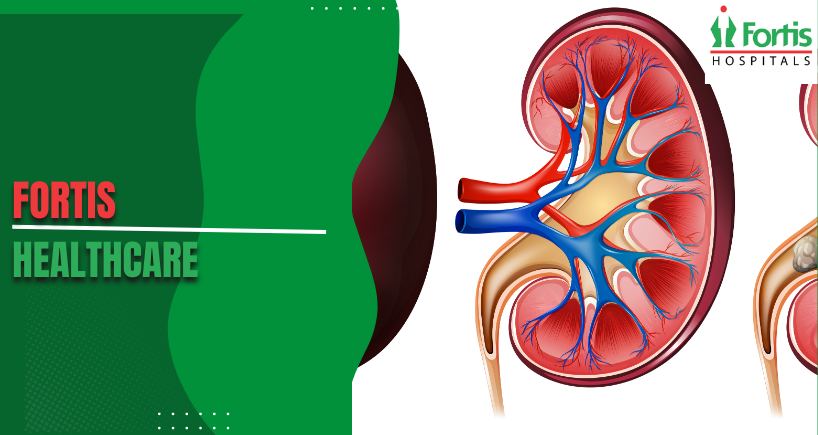


National Kidney Month: Protecting Your Kidneys Through Early Detection
It’s not often that individuals give their kidneys any thought, except when there’s an issue. These two organs – each roughly the size of a hand – continuously purify roughly 180 litres of blood every day, taking out waste, keeping fluids in balance, and managing blood pressure; all of which occurs without any conscious effort on your part.
Because kidney illness is a condition that doesn’t usually produce obvious symptoms in its early stages, it’s called a ‘silent’ disease. When most people discover there is a problem, a considerable degree of kidney capability has already gone. The purpose of National Kidney Month Awareness is to change this, and make finding it early a regular safety measure, instead of a thing people think of as an afterthought.
What Your Kidneys Are Actually Managing
Beyond filtering, your kidneys keep electrolytes in check, control blood pressure through hormones, help the body make red blood cells, and turn on vitamin D to build strong bones. All these things are thrown off when kidneys don’t work properly – and at the same time. Because they’re so broadly involved, advanced kidney illness will touch nearly every organ in a person’s body.
Kidneys are remarkably able to compensate for diminished ability. Even with quite a lot of loss of performance, the nephrons that are still working will increase their effort, to give the impression that all is well. This disguises the progression of the illness, and is the reason nephrology experts recommend testing, instead of holding off until you feel ill.
Early Signs That Are Easy to Overlook
Being tired, and finding it hard to concentrate, are often the initial things individuals observe. Should the kidneys not be purifying waste correctly, things such as urea will accumulate in the blood and affect both clarity of thought and vigour. Generally, people assume these signs are due to insufficient rest, or pressure from work – and not problems with their kidneys.
Alterations to how you pass urine are, in addition, amongst the early signs of kidney disease. Urine that is frothy suggests protein is entering the urine; this is a reasonable sign that the kidneys are being put under pressure. A need to relieve yourself more during the night, the creation of a smaller quantity of urine than is typical, or noticing your urine is a deeper shade, are all developments which ought to be brought to a physician’s attention without delay.
Physical Signals Worth Taking Seriously
Swelling in your ankles and feet happens when the kidneys can’t maintain fluid balance properly. Sodium and water build up in tissues – particularly in the legs. This oedema is often slow to develop and easily dismissed as tiredness or being on your feet for a long time, especially for people who are on their feet a lot.
Puffiness around the eyes that doesn’t go away, particularly in the morning, is another recognised symptom. The face holds onto fluid overnight when kidney function isn’t good. Skin becoming unusually dry and itchy, alongside muscle cramps, can mean that waste products are building up in the body.
The Risk Factors That Demand Regular Monitoring
Worldwide, diabetes is the most frequent reason for chronic kidney illness. Persistently elevated blood glucose injures the glomeruli – those portions of the kidneys which filter – and slowly diminishes their capacity to function. Individuals who have either type 1 or type 2 diabetes are greatly helped by annual blood and urine evaluations for renal function, prior to any serious impairment.
Elevated blood pressure directly harms the blood vessels in the kidneys with the passage of time. The relationship between high blood pressure and kidney disease is mutual: kidneys that are impaired cause blood pressure to rise, and high blood pressure additionally damages the kidneys. Treating one condition while ignoring the other is not a thorough method of avoiding kidney disease.
Screening Tools That Catch Disease Early
Two simple tests are the basis of kidney screening. A urine albumin-to-creatinine ratio detects protein leaking, one of the first measurable signs of kidney stress. A serum creatinine test – used to work out estimated glomerular filtration rate – shows how well the kidneys are filtering blood at the time of the test.
These tests are cheap, readily available and don’t require any special preparation. Nephrology specialists use these initial results along with scans and urine microscopy to get a full view of kidney health, especially in patients who have known risk factors for worsening disease.
Lifestyle Factors That Protect Kidney Function
Drinking enough fluids supports kidney efficiency, but drinking a lot more fluid than you normally need doesn’t improve kidney health unless a doctor has specifically advised it. More important is consistent, enough fluid intake, alongside reducing the amount of salt in your diet – which directly lowers the filtering load on kidneys that are already struggling.
Protein intake needs thought in people already diagnosed with reduced kidney function. High protein diets make more nitrogenous waste that needs filtering. Changing your diet, guided by a kidney dietitian, is a useful part of kidney disease prevention, especially for people managing diabetes or hypertension and whose kidney results are falling.
How Medications and Supplements Affect the Kidneys
Non-steroidal anti-inflammatory drugs – commonly used for pain and fever – restrict blood flow to the kidneys when taken regularly. Occasional use in healthy people carries little risk. However, in people with existing kidney disease or dehydration, even short-term NSAID use makes damage worse. Discussing all medicines and over-the-counter supplements with a doctor is especially important for this reason.
Herbal supplements and traditional remedies are important in South Asian healthcare. Several products contain substances that are directly harmful to kidneys. The fact that traditional products don’t have side effect labels doesn’t mean there’s no risk. The Nephrology team can help evaluate what is safe to continue alongside standard treatment.
Understanding the Stages of Chronic Kidney Disease
Chronic kidney disease is categorised into five stages based on estimated glomerular filtration rate. Stages one and two involve a small reduction in function but may show protein in the urine. Stage three is moderate impairment, where treatment can still substantially slow down the disease. Stages four and five are severe and end-stage impairment, respectively.
The early signs of kidney disease are very similar across these stages, which is why staging requires blood and urine tests rather than symptom assessment alone. Finding disease in stages one to three dramatically increases the range of treatments available and significantly improves long-term results for patients who act on their results.
Categories
Clear allRelated Blogs
View all





Keep track of your appointments, get updates & more!

