
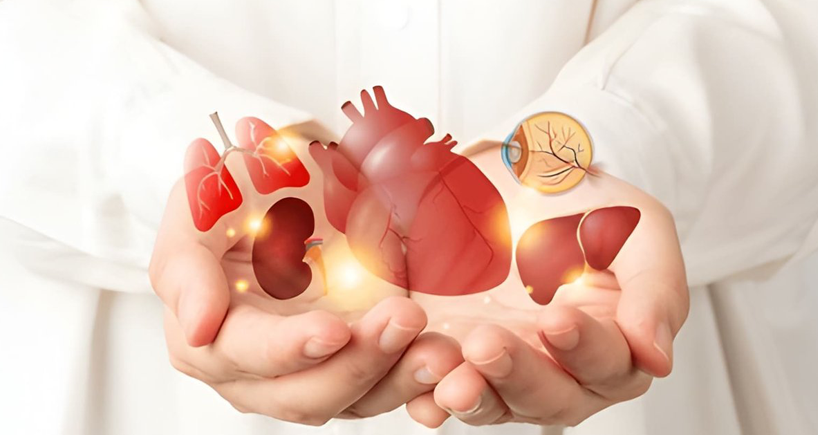


Organ Donation Everything You Need to Know
Know About Organ Donation: Eligibility, Safety & What You Should Know
Organ donation is a life-saving decision that can give people with end-stage organ failure a second chance at life. However, many people have questions about who can donate, whether existing medical conditions affect eligibility, and whether organ donation is safe.
Here are answers to some of the most common questions about organ donation.
Can You Be an Organ Donor If You Have a Pre-existing Medical Condition?
Having a pre-existing medical condition does not automatically mean you cannot become an organ donor. Eligibility depends on factors such as the medical condition, its severity, the organs involved, and whether the organs are suitable for transplantation.
Medical teams assess each potential donor individually to determine whether donation is safe and whether the organs can be used effectively. If you are considering organ donation, discuss your medical history and wishes with your healthcare provider or a transplant specialist.
What Medical Conditions May Affect Organ Donation?
Certain health conditions may require additional evaluation before donation. These can include:
- Active or certain previous cancers: Depending on the type and stage of cancer, there may be a risk of transmission to the recipient.
- Infectious diseases: Conditions such as HIV, hepatitis and certain other infections may affect organ suitability, although some organs may still be considered in specific circumstances.
- Severe heart or lung disease: Significant disease may affect the suitability of the heart or lungs for transplantation.
- Kidney disease: The severity and cause of kidney disease are important considerations when evaluating kidney donation.
- Neurological disorders: Certain rare neurological diseases may prevent donation of specific organs or tissues.
- Diabetes: Diabetes does not necessarily prevent organ donation, but associated complications may affect the suitability of particular organs.
- Autoimmune conditions: Eligibility depends on the disease, its severity and the organs affected.
- Hypertension: Well-controlled blood pressure may not prevent donation, while severe or uncontrolled hypertension may require further assessment.
- Age and overall health: Donor age, organ function and general health are considered during evaluation.
- Substance or alcohol use: A person's medical history and the potential impact on organ health may be considered.
This list is not exhaustive. Organ donation eligibility is determined on an individual basis by the medical and transplant team.
Is Organ Donation Safe?
For deceased donors, organ donation is performed after death by trained medical professionals following established medical and ethical protocols. The donation procedure does not interfere with the dignity of the donor or the opportunity for appropriate funeral arrangements.
For living donors, such as people donating a kidney or part of their liver, safety is a primary consideration. Potential donors undergo detailed medical and psychological assessments to determine whether donation is appropriate and whether they can safely undergo surgery.
As with any major medical procedure, living donation involves potential risks. These are carefully assessed and discussed with the donor before a decision is made.
Why Organ Donation Matters
Every organ donation has the potential to transform or save a life. A single deceased donor may be able to help multiple recipients, while living donation can provide a life-changing treatment for someone with organ failure.
The decision to become a donor should be informed and voluntary. Understanding the facts and discussing your wishes with your family and healthcare professionals can help ensure that your decision is clearly understood.
Categories
Clear allMeet the doctor

- Nephrology | Nephrology
- Organ Transplant | Kidney Transplant
-
 37 Years
-
 700
700
Related Blogs
View all





Quick Enquiry Form
FAQs
What organs and tissues can be donated?
A person can donate organs such as the heart, kidneys, liver, lungs, pancreas, and intestines. Tissue donation may include the corneas, skin, bones, heart valves, and tendons, helping improve or save multiple lives.
Can elderly people become organ donors?
Yes. There is no strict age limit for organ donation. The condition and function of the organs are more important than the donor's age. Medical experts evaluate each donor individually.

Keep track of your appointments, get updates & more!

