


A Second Chance at Life How Kidney Transplants Improve Quality of Life
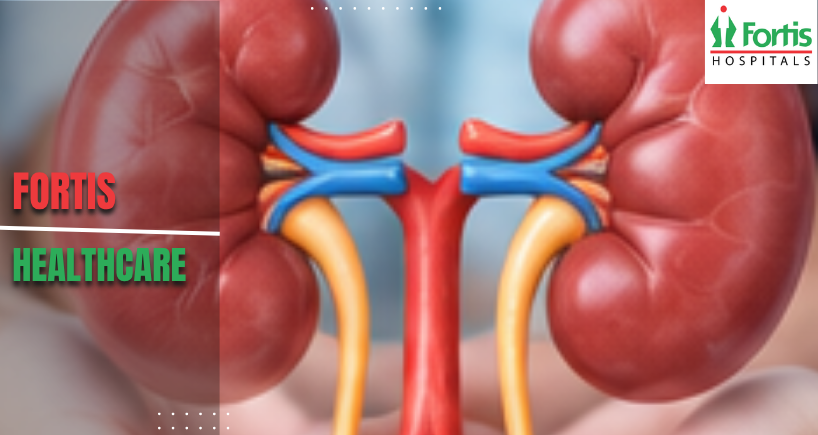
Kidneys play an essential role in keeping the body healthy. They filter waste and excess fluid from the blood, help regulate blood pressure and contribute to the balance of important minerals and electrolytes.
When the kidneys lose most of their function, people may need dialysis to perform some of the work that healthy kidneys normally do. Although dialysis can be life-sustaining, regular treatment can affect work, travel, family life and everyday routines.
For suitable patients with kidney failure, a kidney transplant can offer an alternative. By replacing the function of failed kidneys with a healthy donor kidney, transplantation can reduce or eliminate the need for regular dialysis and may allow many patients to regain greater independence in their daily lives.
However, a transplant is not a simple cure. It involves major surgery, lifelong monitoring and medications to reduce the risk of rejection.
Understanding the Impact of Kidney Failure
Healthy kidneys continuously remove waste products and excess fluid from the bloodstream. They also help maintain the body's electrolyte and acid-base balance and support several other important functions.
When kidney function becomes severely impaired, waste and fluid can accumulate in the body.
Depending on the severity of kidney disease, symptoms may include:
- Persistent tiredness and weakness
- Nausea or loss of appetite
- Swelling in the legs, feet or other parts of the body
- Changes in urination
- Shortness of breath caused by fluid accumulation
- Difficulty concentrating
- Itching
Advanced kidney failure can significantly affect a person's quality of life and may eventually require dialysis or transplantation.
For appropriately selected patients, a kidney transplant can provide better kidney function than dialysis and may improve energy levels, physical independence and overall wellbeing.
Living and Deceased Kidney Donors
A kidney for transplantation can come from either a living donor or a deceased donor.
Living-Donor Transplantation
A healthy person can generally live with one functioning kidney. This makes living donation possible in carefully selected individuals.
Living donors undergo extensive medical and psychological evaluation before donation. Blood-group compatibility, tissue matching and other medical factors are assessed to determine whether donation is appropriate.
Living-donor transplantation can have important practical advantages because the procedure can often be planned in advance, rather than waiting for an organ to become available through a deceased-donor programme.
However, living donation is a major decision, and donor safety remains a central priority throughout the evaluation process.
Deceased-Donor Transplantation
When a living donor is not available or suitable, patients may be considered for transplantation through the deceased-donor system.
Patients who meet the relevant criteria are placed on a transplant waiting list, and organs are allocated according to established medical and regulatory criteria.
Once a suitable kidney becomes available, transplantation teams must work quickly to recover, preserve, transport and transplant the organ while maintaining its viability.
What Happens During Kidney Transplant Surgery?
During a kidney transplant, the donor kidney is usually placed in the lower abdomen or pelvis, where it can be connected to the body's blood vessels and urinary system.
The patient's original kidneys are generally left in place unless there is a specific medical reason to remove them, such as recurrent infection, severe enlargement or another complication.
During surgery, the transplant team:
- Places the donor kidney in the lower abdomen.
- Connects the kidney's blood vessels to nearby blood vessels.
- Connects the donor ureter to the urinary bladder.
- Checks blood flow and urine drainage.
- Closes the surgical incision after confirming that the new kidney is functioning appropriately.
Some transplanted kidneys begin producing urine immediately, while others may take longer to start functioning. The timing of kidney function varies between patients and depends on several factors, including the type of donor kidney and the circumstances surrounding transplantation.
Understanding the Risk of Kidney Rejection
The immune system protects the body by identifying and attacking foreign substances. Because a transplanted kidney comes from another person, the immune system may recognise it as foreign and attempt to attack it.
This is known as organ rejection.
To reduce this risk, transplant recipients take immunosuppressive medicines. These medications reduce immune activity and help the body accept the transplanted kidney.
Patients usually need to take these medicines for as long as the transplanted kidney remains in place.
Regular monitoring is therefore essential. Doctors may use blood tests, kidney-function measurements and other assessments to identify signs of rejection or medication-related complications.
Why Medication Adherence Matters
Taking anti-rejection medication exactly as prescribed is one of the most important responsibilities after transplantation.
Missing doses can increase the risk of rejection. At the same time, taking too much medication can increase the risk of infections and other side effects.
Patients should never change or stop their immunosuppressive medication without discussing it with their transplant team.
The Importance of Specialist Transplant Care
Kidney transplantation requires more than the surgical procedure itself.
Patients may receive care from a multidisciplinary team that can include:
- Transplant surgeons
- Nephrologists
- Anaesthetists
- Transplant coordinators
- Pharmacists
- Dietitians
- Nurses
- Other specialists when required
Before transplantation, the medical team evaluates whether the patient is healthy enough for surgery and whether transplantation is an appropriate treatment option.
After surgery, the focus shifts towards monitoring kidney function, managing medications, preventing and treating infections, and identifying complications as early as possible.
Choosing a best hospital in New Delhi or another experienced transplant centre should involve looking at factors such as transplant expertise, multidisciplinary care, infection-control practices, laboratory support, post-transplant monitoring and access to emergency care.
Life After a Kidney Transplant
One of the major potential benefits of a successful kidney transplant is greater freedom from dialysis.
Many patients experience improvements in energy and physical functioning after recovery. Some are able to return to work, travel and participate more freely in everyday activities.
However, recovery takes time.
Patients may need to gradually increase physical activity, attend regular follow-up appointments and follow their transplant team's advice regarding diet, exercise, medication and infection prevention.
Dietary recommendations can also change after transplantation. Some restrictions that were necessary during advanced kidney disease or dialysis may be modified, but patients should not assume that every food is automatically safe or unrestricted.
A transplant dietitian can provide personalised guidance based on kidney function, medications, blood pressure, blood sugar and other health factors.
Long-Term Monitoring Remains Essential
A kidney transplant does not mean that medical care is over.
Regular follow-up is necessary to monitor:
- Kidney function
- Blood pressure
- Medication levels
- Signs of rejection
- Infections
- Medication side effects
- Blood sugar and cholesterol
- Overall cardiovascular health
Immunosuppressive medicines can increase susceptibility to certain infections and may have other long-term effects. Regular medical monitoring helps the transplant team identify and manage these risks.
Patients should also contact their transplant team if they develop symptoms such as fever, significant changes in urination, swelling, unexplained weight changes or other concerning symptoms.
A New Chapter, With Ongoing Care
A kidney transplant can represent a significant change in life for someone living with kidney failure.
For suitable patients, it may reduce dependence on dialysis, improve physical functioning and provide greater flexibility in everyday activities. But the benefits come with important responsibilities, including lifelong medication, regular follow-up and attention to overall health.
The goal of transplantation is not simply to get through surgery. It is to help the recipient achieve the best possible long-term health and quality of life while protecting the transplanted kidney.
With appropriate patient selection, specialist care, medication adherence and ongoing monitoring, a kidney transplant can offer many people an opportunity to build a more independent and active life beyond dialysis.
Categories
Clear allRelated Blogs
View all






FAQs

Keep track of your appointments, get updates & more!

