
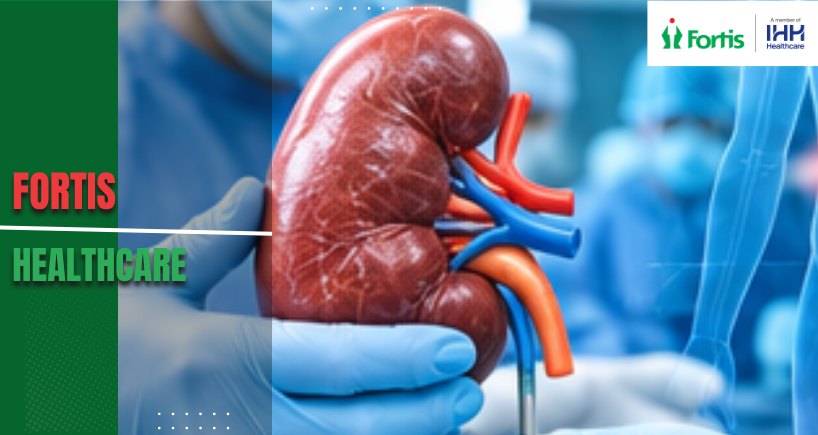


What Factors Influence the Success Rate of Kidney Transplant Surgery
The human body possesses a remarkable ability to adapt when major organs begin failing. Replacing a damaged filtration system demands extraordinary surgical precision alongside profound biological harmony.
Many anxious families wonder about their specific chances of achieving a lasting surgical outcome. Uncovering the biological variables that drive survival brings comfort during treatment.
The Critical Role of Genetic Harmony
Your immune system constantly patrols your bloodstream seeking out unfamiliar biological visitors. Finding a donor with similar genetic markers reduces the immediate risk of severe tissue rejection. This precise immunological alignment creates the ideal foundation for any kidney transplant procedure.
Modern clinical laboratories map these distinct cellular proteins with remarkable accuracy. When your specific biological markers match the donor organ your immune response remains calm. The clinical team evaluates numerous potential candidates to secure a truly excellent pairing.
Evaluating the Source of the Organ
Securing tissue from a living relative generally produces highly favorable clinical outcomes. The medical staff schedules the operation when both individuals feel rested and healthy. A living donor organ begins filtering toxins almost immediately after the surgeons connect it.
However, a kidney transfer involving a deceased donor still offers magnificent long term results. Living donations simply minimize the time the organ spends outside a human host. This brief transition period protects the delicate microscopic filtration units from sustaining cellular trauma.
The Importance of Operative Precision
Connecting delicate blood vessels requires breathtaking operative precision from your dedicated surgical team. A flawless kidney surgery minimizes internal bleeding while actively preventing dangerous urinary fluid leaks. Experienced medical professionals always preserve the surrounding healthy anatomical tissues during this meticulous physical reconstruction.
The use of advanced kidney implants demands a highly sterile environment during the initial healing phase. Surgeons meticulously stitch the fragile biological tissues together to restore normal urinary flow. Experiencing a smooth operation drastically reduces the overall trauma your physical body must endure.
Managing Postoperative Immune Suppression
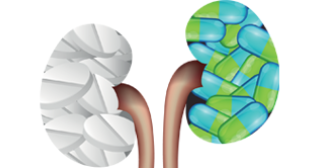
After the operation, you must take powerful medications to prevent cellular organ rejection. These vital pharmaceutical drugs blindfold your immune system so it ignores the unfamiliar tissue. Strict adherence to your daily pharmacological schedule remains the most critical factor for achieving overall success.
Missing a single dose triggers a violent biological attack against your new internal organ. Your clinical pharmacist will explain exactly when you must swallow these important pills. Maintaining a perfectly consistent level of medication within your bloodstream protects the transplanted tissue continuously.
Enhancing Recovery Through Nutritional Habits
Your dedication to a healthy lifestyle ensures that you continue to safeguard the incredible gift you have recently received. A healthy lifestyle, consisting of a balanced diet with plenty of vegetables, ensures that you do not accumulate too much physical weight. Control of salt in your daily food ensures that your resting blood pressure levels remain within a highly manageable target range.
Your regular physical exercises are great for your heart, as well as for your emotional well-being, which benefits significantly from these exercises. Smoking and alcohol consumption should be avoided in order to maintain your sensitive new filtration units, which are the result of brilliant medical interventions.
Establishing Your Future Health Maintenance Routine
A successful operation marks only the beginning of your lifelong healthcare maintenance journey. Routine laboratory tests help your physician monitor the ongoing filtration efficiency of the organ. Identifying subtle changes in your creatinine levels allows doctors to adjust your chemical medications promptly.
You must maintain open communication with your dedicated clinical team throughout your intensive rehabilitation journey at the Best Hospital in India. Promptly reporting any sudden fevers or unusual abdominal pain guarantees rapid and highly effective medical intervention. This vigilant mindset prevents minor chemical imbalances from escalating into serious medical crises by ensuring timely intervention and sustained organ protection.
Categories
Clear allRelated Blogs
View all




FAQs

Keep track of your appointments, get updates & more!

