
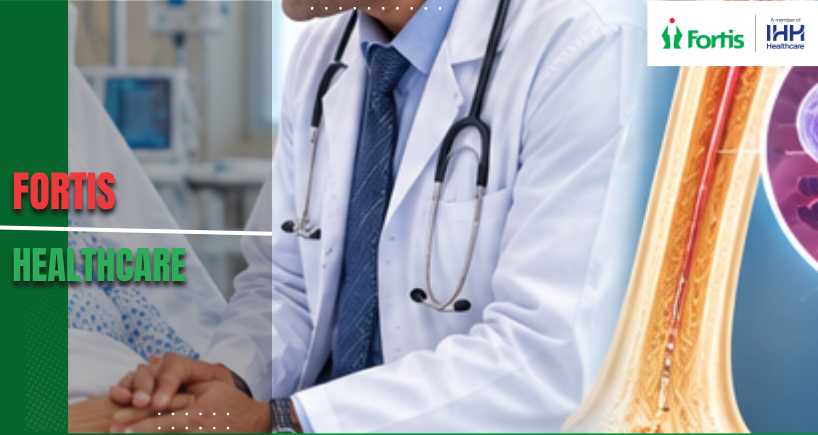


When Does Bone Marrow Transplant Become Necessary A Patient Guide
Hearing that you or a loved one may need a bone marrow transplant can feel overwhelming. This complex procedure is often recommended for serious blood disorders and cancers, but understanding when and why it becomes necessary can help ease some of that uncertainty.
This guide walks through the conditions that may require a bone marrow transplant, the types of transplants available, and what patients can generally expect throughout the process.
While the idea of a transplant can feel daunting, understanding each stage of the journey in advance often helps patients and families feel more prepared and less anxious about what lies ahead.
What Is a Bone Marrow Transplant?
A bone marrow transplant (BMT), also called a stem cell transplant, replaces damaged or diseased bone marrow with healthy stem cells. These stem cells then grow into new, healthy blood cells, restoring the body's ability to produce normal red blood cells, white blood cells, and platelets.
There are two main types: autologous transplants, which use the patient's own stem cells, and allogeneic transplants, which use stem cells from a matched donor, often a sibling or unrelated donor with compatible tissue type.
Stem cells for transplant can be collected from bone marrow directly, from circulating blood after stimulation with special medication, or from umbilical cord blood, depending on the source and clinical situation.
Conditions That May Require a Transplant
Blood Cancers
Leukemia, lymphoma, and multiple myeloma are among the most common reasons for bone marrow transplants. In these cancers, transplant can help replace marrow damaged by the disease or by high-dose chemotherapy used to treat it.
The specific type and stage of blood cancer heavily influence whether a transplant is recommended as a first-line treatment or reserved for cases of relapse.
Bone Marrow Failure Conditions
Conditions like aplastic anemia, where the bone marrow fails to produce enough blood cells, often require a transplant, especially when the condition is severe and doesn't respond to other treatments.
In these cases, transplant offers the potential for a complete and lasting cure, unlike medication-based approaches that primarily manage symptoms.
Inherited Blood Disorders
Thalassemia major and sickle cell disease, both inherited conditions affecting hemoglobin production, can sometimes be cured with a bone marrow transplant, particularly when performed early in a child's life with a well-matched donor.
Timing matters significantly here, as outcomes tend to be better when transplant is performed before extensive organ damage from the underlying disease has occurred.
Immune System Disorders
Certain inherited immune deficiencies, where the body cannot fight infections effectively, may also be treated with a transplant to rebuild a functioning immune system.
In infants and young children with severe immune deficiencies, early transplant can be lifesaving, as these conditions often leave the body highly vulnerable to infections that would otherwise be minor.
Signs a Transplant May Be Considered
Doctors typically consider a transplant when standard treatments like chemotherapy, radiation, or medication haven't achieved remission or adequate disease control. Other signals include repeated disease relapse, high-risk disease features identified through genetic testing, or bone marrow that has stopped functioning properly.
For inherited disorders like thalassemia, the decision often depends on disease severity, patient age, and availability of a suitably matched donor, usually a sibling with compatible tissue markers.
Doctors also weigh the patient's overall health and organ function before proceeding, since the conditioning therapy required for transplant is physically demanding and needs a body capable of tolerating it well.
Finding a Donor Match
For allogeneic transplants, finding a compatible donor is a crucial step. Doctors look for a close match in human leukocyte antigen (HLA) markers, which reduces the risk of the body rejecting the new stem cells.
Siblings have roughly a 25% chance of being a full match, though unrelated donor registries and cord blood banks provide additional options when a family match isn't available.
When no perfectly matched donor is found, doctors may consider a partially matched or haploidentical transplant, typically from a parent or child, which has become an increasingly viable option with advances in transplant techniques.
What to Expect During the Process
The transplant process typically begins with conditioning therapy, using chemotherapy or radiation to prepare the body and eliminate diseased cells. This is followed by the actual stem cell infusion, which is similar to a blood transfusion.
Recovery involves a period of close monitoring in the hospital, as the new stem cells take time to establish themselves and begin producing healthy blood cells. During this time, the immune system is very weak, making infection prevention a top priority.
Full recovery can take several months to a year, with regular follow-up care needed to monitor for complications like graft-versus-host disease in allogeneic transplants.
Throughout this period, a multidisciplinary care team, including transplant physicians, nurses, and infection specialists, works together closely to catch and manage complications as early as possible.
Emotional and psychological support during this period is just as important as physical care, since the extended hospital stay and isolation required for infection control can be mentally taxing for both patients and families.
Weighing the Decision
Bone marrow transplant is a significant medical decision that involves weighing potential benefits against risks and recovery demands. Discussing the full picture with a hematologist or transplant specialist, including success rates specific to your condition, helps patients and families make an informed choice.
It's also worth discussing long-term follow-up needs in advance, since transplant recipients typically require ongoing monitoring for years afterward to catch and manage any late-emerging complications early.
Categories
Clear allRelated Blogs
View all





FAQs
What conditions require a bone marrow transplant?
Common reasons include leukemia, lymphoma, aplastic anemia, thalassemia major, and sickle cell disease when other treatments are insufficient.
How long does recovery take after a transplant?
Initial hospital recovery takes several weeks, while full immune system recovery can take six months to a year or longer.
Is bone marrow transplant painful?
The stem cell infusion itself is generally painless, though the conditioning therapy beforehand can cause significant side effects.
How is a bone marrow donor found?
Donors are matched using HLA tissue typing; siblings, unrelated donor registries, or cord blood banks are common sources.

Keep track of your appointments, get updates & more!

