
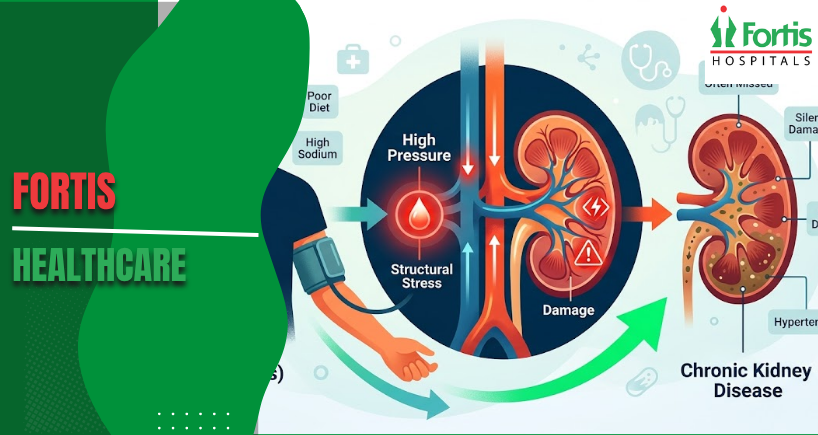


Why Chronic Kidney Disease Is Rising in Younger Adults
Chronic kidney disease was once considered a condition seen mostly in older adults. Today, however, doctors across India are witnessing a growing number of younger patients developing kidney-related complications much earlier in life.
People in their 20s, 30s, and 40s are increasingly being diagnosed with declining kidney function linked to modern lifestyle habits, metabolic disorders, and delayed health screening. What makes chronic kidney disease particularly dangerous is that it often develops silently, with symptoms appearing only after significant kidney damage has already occurred.
As diabetes, obesity, high blood pressure, and sedentary lifestyles continue to rise in India, kidney health is becoming a growing concern among younger populations.
What Is Chronic Kidney Disease?
Chronic kidney disease, commonly called CKD, refers to the gradual loss of kidney function over time.
Healthy kidneys help:
- Remove waste from the blood
- Maintain fluid balance
- Control blood pressure
- Support red blood cell production
- Regulate important minerals in the body
When kidney function declines, waste products and excess fluid begin accumulating inside the body, affecting overall health.
CKD usually progresses slowly and may remain undetected for years if routine screening is not done.
Why Are Younger Adults Developing Kidney Disease More Frequently?
Several lifestyle and health-related changes are contributing to the increase in chronic kidney disease among younger adults.
Rising Diabetes Cases
Diabetes remains one of the leading causes of kidney damage worldwide.
Poorly controlled blood sugar can gradually damage the tiny blood vessels inside the kidneys, reducing their ability to filter waste effectively.
India’s increasing diabetes burden is directly contributing to higher CKD cases in younger age groups.
High Blood Pressure
Persistent hypertension places continuous strain on kidney blood vessels.
Over time, uncontrolled blood pressure can damage kidney tissue and reduce kidney efficiency.
Many young adults today develop hypertension due to:
- Stress
- Obesity
- High salt intake
- Sedentary lifestyle
- Poor sleep habits
Obesity and Metabolic Disorders
Excess body weight increases the risk of:
- Diabetes
- Hypertension
- Inflammation
- Metabolic syndrome
All of these conditions are closely linked to kidney damage.
Abdominal obesity, in particular, is becoming increasingly common among urban populations.
Processed Foods and High Sodium Intake
Packaged foods, instant meals, processed snacks, and restaurant foods often contain excessive sodium and unhealthy additives.
Long-term consumption may contribute to:
- High blood pressure
- Water retention
- Increased kidney workload
Excessive Use of Painkillers and Self-Medication
Frequent use of certain pain medications without medical supervision may affect kidney function over time.
Many people unknowingly consume medications regularly for headaches, body pain, or fitness-related discomfort without understanding the long-term risks.
Dehydration and Poor Water Intake
Low fluid intake can place additional stress on the kidneys, especially in hot climates and physically demanding routines.
Many professionals replace water with:
- Soft drinks
- Energy drinks
- Excess caffeine
This may indirectly affect kidney health over time.
Delayed Health Check-Ups
A major reason CKD becomes severe is late diagnosis.
Since early kidney disease may not produce obvious symptoms, many individuals only discover the condition after routine blood tests or when complications appear.
Early Symptoms Often Ignored
In the early stages, chronic kidney disease may cause mild or nonspecific symptoms.
Some warning signs include:
- Persistent fatigue
- Swelling in feet or ankles
- Changes in urination
- Puffiness around the eyes
- Difficulty concentrating
- Loss of appetite
- Muscle cramps
- High blood pressure
Because these symptoms can seem minor initially, they are often ignored.
How Chronic Kidney Disease Affects the Body
As kidney function worsens, the body may struggle to maintain normal balance.
Advanced kidney disease can contribute to:
- Fluid retention
- Anemia
- Bone weakness
- Heart complications
- Electrolyte imbalance
- Severe hypertension
In advanced stages, kidney failure may eventually require dialysis or kidney transplantation.
Who Is at Higher Risk?
The likelihood of chronic kidney disease increases in people with:
- Diabetes
- High blood pressure
- Obesity
- Family history of kidney disease
- Smoking habits
- Cardiovascular disease
- Recurrent kidney infections
- Kidney stones
Individuals with sedentary lifestyles and poor dietary habits are also at increased risk.
Why Early Detection Is Important
Kidney damage that progresses for years may eventually become irreversible.
However, early-stage chronic kidney disease can often be managed effectively through:
- Lifestyle modifications
- Blood pressure control
- Diabetes management
- Dietary changes
- Regular monitoring
Early diagnosis significantly improves long-term outcomes and may slow disease progression.
How Chronic Kidney Disease Is Diagnosed
Doctors may recommend several investigations to assess kidney function.
Blood Tests
These help measure:
- Creatinine levels
- Urea levels
- Estimated kidney filtration rate (eGFR)
Urine Tests
Urine analysis may detect:
- Protein leakage
- Blood
- Signs of kidney damage
Blood Pressure Monitoring
Persistent hypertension is closely linked to kidney health.
Ultrasound and Imaging
Imaging helps identify:
- Structural abnormalities
- Kidney shrinkage
- Obstruction
- Stones or swelling
At Fortis Hospital Delhi, nephrology specialists use advanced diagnostic evaluation and personalised treatment planning to identify kidney disease early and help protect long-term kidney function.
Can Chronic Kidney Disease Be Prevented?
In many cases, yes.
Simple lifestyle measures can significantly reduce kidney disease risk.
Manage Blood Sugar Levels
Good diabetes control helps protect kidney blood vessels.
Control Blood Pressure
Regular monitoring and treatment are essential.
Reduce Processed Food Intake
Lowering sodium intake reduces stress on the kidneys.
Stay Physically Active
Exercise supports:
- Weight management
- Blood pressure control
- Better metabolic health
Stay Hydrated
Adequate water intake supports healthy kidney function.
Avoid Self-Medication
Painkillers and supplements should only be used under medical guidance.
Get Regular Health Screenings
Routine testing can help detect silent kidney disease early.
Conclusion
Chronic kidney disease is increasingly affecting younger adults due to changing lifestyles, rising metabolic disorders, and delayed health awareness. Because the condition often progresses quietly, many individuals remain unaware until significant kidney damage has already occurred.
The encouraging part is that early diagnosis, healthier lifestyle choices, and proper medical management can help slow disease progression and protect long-term kidney health.
If you have persistent fatigue, swelling, high blood pressure, or other risk factors linked to kidney disease, consulting a kidney specialist at Fortis Healthcare can help ensure timely evaluation and appropriate care.
Categories
Clear allMeet the doctor

- Organ Transplant | Kidney Transplant
- Nephrology | Nephrology
-
 30 Years
-
 2200
2200
Related Blogs
View all





FAQs
Why is chronic kidney disease increasing among younger adults?
Rising diabetes, obesity, hypertension, sedentary lifestyles, and poor dietary habits are major contributing factors.
Can kidney disease develop without symptoms?
Yes. Early chronic kidney disease often develops silently without noticeable symptoms.
Is chronic kidney disease reversible?
Some early kidney damage may improve or stabilise with timely treatment, but advanced kidney damage may become permanent.
Can dehydration affect kidney health?
Long-term poor hydration may increase stress on the kidneys and contribute to kidney-related problems.
When should kidney function be tested?
People with diabetes, hypertension, obesity, or family history of kidney disease should undergo regular screening.

Keep track of your appointments, get updates & more!

