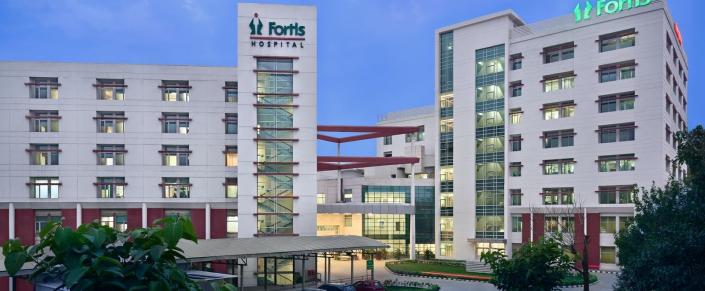
Fortis Healthcare Limited is a leading multi-specialty tertiary care hospital group that has played a pivotal role in transforming medical care in the region. It is one of the most trusted group of hospitals in the region with cutting-edge technology an
236
Bedded Hospital
12
OTs & 92 ICU Beds
24*7
Emergency facility
About the Department of Hematology & Bone Marrow Transplant
The Department of Haematology & Bone Marrow Transplantation at Fortis Hospitals, provides broad-ranging, integrated and patient-centric services for the diagnosis and management of all kinds of blood disorders in adults and children, including cancers of the blood. Backed by an extensive team of experienced haematologists, the Department strives to become the most sought-after centre for all blood-related disorders. The Department always remains at the forefront of existing methods and advancements in haematology services, making for a dynamic, efficient and self-reliant centre with a wide array of specialisations.
Our highly qualified multi-disciplinary team comprises adult haematologists and paediatric haemato-oncologists that offer treatment of complex blood disorders. Moreover, our constant quest to advance our knowledge and methods puts us at the extreme edge of what is possible, making for a dynamic team offering services of superlative clinical quality. We are proud of our highest standards of patient care, which lie at the heart of all our activities. Our supportive services are second to none, making our steadfast and highly specialized center a place of contentment for patients suffering from any kind of blood disorder.
Fortis Hospitals is the best hospital for Bone Marrow transplants in India. Our team of India's top transplant specialists has rich expertise in the complete range of bone marrow transplants (BMT) in all age groups. Our hematologists have pioneering experience in delicate BMTs. We have a dedicated organ transplant unit equipped with the latest technology in BMT.
Ready to experience world-class care for blood disorders? Contact us today to schedule a consultation with our expert team. Your journey towards optimal health starts here at Fortis Hospitals.

Why Choose Us
-
 Collective experience of 2000+ bone marrow transplants
 -
 State-of-the-art hepa-filtered bone marrow transplant unit
 -
 A team of 6 doctors including adult and paediatric hemato-oncologist and BMT experts
 -
 1:1 Nursing ratio that helps to provide the best in class care during the hospital stay
 -
 Dedicated team for infection control to control infections at all levels during the transplant
 -
 State-of-the-art in-house blood bank facility for regular support during the transplant
 -
 Inhouse chemotherapy and radiation therapy units are available
 -
 Best-in-class critical care unit, managed by the finest intensive care team
 -
 Comprehensive day care facility
Medical Conditions Related To Bone Marrow Transplant
Our Team of Experts
Our patient’s stories
FAQs
-
1. What is a bone marrow transplant?A bone marrow transplant is a medical procedure that involves replacing a patient's damaged or diseased bone marrow with healthy bone marrow stem cells, which can help treat various conditions such as leukemia, lymphoma, and multiple myeloma.
-
2. How is the bone marrow collected?The bone marrow can be collected through two main methods: a bone marrow aspiration, which involves removing a small amount of liquid bone marrow from the hipbone using a needle, or a peripheral blood stem cell transplant, which involves collecting stem cells from the bloodstream through a process called apheresis.
-
3. Who can be a bone marrow donor?Generally, donors need to be in good health and between the ages of 18 and 44. The donor's blood and tissue type must also match the recipient's to reduce the risk of complications.
-
4. Can family members donate bone marrow?Seeking a bone marrow donor within the family is the first option. A brother or sister is most likely to be a perfect match as a donor. This is called a matched sibling donor transplant. There’s a 1 in 4 chance of the bone marrow cells matching among siblings. One’s parents, own children, and other relatives can sometimes be good matches. Only about 30% of those who need a bone marrow transplant can find a matching donor in their own family.
-
5. What are the risks associated with a bone marrow transplant?Some of the potential risks and side effects of a bone marrow transplant include infections, bleeding, graft-versus-host disease (GVHD), and organ damage. The risks can vary depending on the patient's age, overall health, and the specific type of transplant.
-
6. How long does the recovery process take?The recovery process can vary depending on the patient's overall health and the specific type of transplant. Patients may experience a range of side effects and complications during the recovery period, and it may take several months or even years to fully recover.
-
7. How effective is a bone marrow transplant?The success rate of a bone marrow transplant depends on several factors, including the patient's age, overall health, and the specific condition being treated. In general, bone marrow transplants have a high success rate for treating certain types of blood cancers and other blood disorders.
-
8. How can one prepare for a bone marrow transplant?Patients can prepare for a bone marrow transplant by following their doctor's instructions, maintaining a healthy lifestyle, and managing any underlying medical conditions. Patients should also be prepared for a long recovery process and work closely with their healthcare team to manage any side effects or complications.
-
9. What is the cut-off age (eligibility) for a bone marrow transplant?Bone marrow cell donors and recipients of all ages who meet strict health criteria are eligible for bone marrow transplants. This means both the donor and the recipient will undergo stringent tests to check for underlying risks and health issues that could restrict the treatment. While younger donors under the age of 65 years are preferred for BMT and recipients’ age can be extended upto 75 years if they are fit and without accompanying severe illness.
-
10. How long can a person live after a bone marrow transplant?The encouraging news is that the risks or complications following bone marrow transplant are decreasing according to medical research. This is making it possible for more people to live longer after a successful BMT. The general estimated survival rate following BMT is 80%; this means that the person can live a healthy life for many years after a BMT. The success rate of BMT varies from person to person, depending on the stage and type of cancer, general health condition according to age, etc.
-
11. Is bone marrow transplant painful?The transplant procedure is not painful because it is not surgery. In fact, it is similar to a blood transfusion. The bone marrow cells are infused into the vein directly through a thin catheter or intravenous tube. This process could take a couple of hours and the recipient is awake throughout.
-
12. How long is recovery after bone marrow transplant?Recovery after a bone marrow transplant is gradual. It takes up to 2 weeks for the newly infused cells to reach the bone marrow to begin to make healthy new cells. This process is called engraftment. In some recipients, it could take longer. During this time the immunity system can be weak. To prevent infections or the risk of complications, doctors recommend hospitalization for a few weeks to around 90 days to monitor the progress. Even after being discharged from the hospital, the bone marrow transplant recipients will have to visit the hospital for routine follow-ups with the doctors to check the response to the transplant.
Fortis Hospital, Noida
Fortis Hospital, Noida is a leading multi-specialty tertiary care hospital that has played a pivotal role in transforming medical healthcare infrastructure in the NCR region. It is one of the oldest & most trusted hospitals in Noida.
236
Bedded Hospital
12
OTs & 92 ICU Beds
24*7
Emergency facility
About the Department of Hematology & Bone Marrow Transplant
The Department of Haematology & Bone Marrow Transplantation at Fortis Hospital, Noida provides broad-ranging, integrated and patient-centric services for the diagnosis and management of all kinds of blood disorders in adults and children, including cancers of the blood. Backed by an extensive team of experienced haematologists, the Department strives to become the most sought-after centre for all blood-related disorders. The Department always remains at the forefront of existing methods and advancements in haematology services, making for a dynamic, efficient and self-reliant centre with a wide array of specialisations.
Our highly qualified multi-disciplinary team comprises adult haematologists and paediatric haemato-oncologists that offer treatment of complex blood disorders. Moreover, our constant quest to advance our knowledge and methods puts us at the extreme edge of what is possible, making for a dynamic team offering services of superlative clinical quality. We are proud of our highest standards of patient care, which lie at the heart of all our activities. Our supportive services are second to none, making our steadfast and highly specialized center a place of contentment for patients suffering from any kind of blood disorder.
Fortis Hospital Noida is the best hospital for Bone Marrow transplants in India. Our team of India's top transplant specialists has rich expertise in the complete range of bone marrow transplants (BMT) in all age groups. Our hematologists have pioneering experience in delicate BMTs. We have a dedicated organ transplant unit equipped with the latest technology in BMT.
Our highly qualified multi-disciplinary team comprises adult haematologists and paediatric haemato-oncologists that offer treatment of complex blood disorders. Moreover, our constant quest to advance our knowledge and methods puts us at the extreme edge of what is possible, making for a dynamic team offering services of superlative clinical quality. We are proud of our highest standards of patient care, which lie at the heart of all our activities. Our supportive services are second to none, making our steadfast and highly specialized center a place of contentment for patients suffering from any kind of blood disorder.
Fortis Hospital Noida is the best hospital for Bone Marrow transplants in India. Our team of India's top transplant specialists has rich expertise in the complete range of bone marrow transplants (BMT) in all age groups. Our hematologists have pioneering experience in delicate BMTs. We have a dedicated organ transplant unit equipped with the latest technology in BMT.
Why Choose Us
-
Collective experience of 1000+ bone marrow transplants
-
State-of-the-art hepa-filtered bone marrow transplant unit
-
A team of 6 doctors including adult and paediatric hemato-oncologist and BMT experts
-
1:1 Nursing ratio that helps to provide the best in class care during the hospital stay
-
Dedicated team for infection control to control infections at all levels during the transplant
-
State-of-the-art in-house blood bank facility for regular support during the transplant
-
Inhouse chemotherapy and radiation therapy units are available
-
Best-in-class critical care unit, managed by the finest intensive care team
-
Comprehensive day care facility
Medical Conditions Related To Bone Marrow Transplant
Our Team of Experts
FAQs
-
1. What is a bone marrow transplant?A bone marrow transplant is a medical procedure that involves replacing a patient's damaged or diseased bone marrow with healthy bone marrow stem cells, which can help treat various conditions such as leukemia, lymphoma, and multiple myeloma.
-
2. How is the bone marrow collected?The bone marrow can be collected through two main methods: a bone marrow aspiration, which involves removing a small amount of liquid bone marrow from the hipbone using a needle, or a peripheral blood stem cell transplant, which involves collecting stem cells from the bloodstream through a process called apheresis.
-
3. Who can be a bone marrow donor?Generally, donors need to be in good health and between the ages of 18 and 44. The donor's blood and tissue type must also match the recipient's to reduce the risk of complications.
-
4. Can family members donate bone marrow?Seeking a bone marrow donor within the family is the first option. A brother or sister is most likely to be a perfect match as a donor. This is called a matched sibling donor transplant. There’s a 1 in 4 chance of the bone marrow cells matching among siblings. One’s parents, own children, and other relatives can sometimes be good matches. Only about 30% of those who need a bone marrow transplant can find a matching donor in their own family.
-
5. What are the risks associated with a bone marrow transplant?Some of the potential risks and side effects of a bone marrow transplant include infections, bleeding, graft-versus-host disease (GVHD), and organ damage. The risks can vary depending on the patient's age, overall health, and the specific type of transplant.
-
6. How long does the recovery process take?The recovery process can vary depending on the patient's overall health and the specific type of transplant. Patients may experience a range of side effects and complications during the recovery period, and it may take several months or even years to fully recover.
-
7. How effective is a bone marrow transplant?The success rate of a bone marrow transplant depends on several factors, including the patient's age, overall health, and the specific condition being treated. In general, bone marrow transplants have a high success rate for treating certain types of blood cancers and other blood disorders.
-
8. How can one prepare for a bone marrow transplant?Patients can prepare for a bone marrow transplant by following their doctor's instructions, maintaining a healthy lifestyle, and managing any underlying medical conditions. Patients should also be prepared for a long recovery process and work closely with their healthcare team to manage any side effects or complications.
-
9. What is the cut-off age (eligibility) for a bone marrow transplant?Bone marrow cell donors and recipients of all ages who meet strict health criteria are eligible for bone marrow transplants. This means both the donor and the recipient will undergo stringent tests to check for underlying risks and health issues that could restrict the treatment. While younger donors under the age of 65 years are preferred for BMT and recipients’ age can be extended upto 75 years if they are fit and without accompanying severe illness.
-
10. How long can a person live after a bone marrow transplant?The encouraging news is that the risks or complications following bone marrow transplant are decreasing according to medical research. This is making it possible for more people to live longer after a successful BMT. The general estimated survival rate following BMT is 80%; this means that the person can live a healthy life for many years after a BMT. The success rate of BMT varies from person to person, depending on the stage and type of cancer, general health condition according to age, etc.
-
11. Is bone marrow transplant painful?The transplant procedure is not painful because it is not surgery. In fact, it is similar to a blood transfusion. The bone marrow cells are infused into the vein directly through a thin catheter or intravenous tube. This process could take a couple of hours and the recipient is awake throughout.
-
12. How long is recovery after bone marrow transplant?Recovery after a bone marrow transplant is gradual. It takes up to 2 weeks for the newly infused cells to reach the bone marrow to begin to make healthy new cells. This process is called engraftment. In some recipients, it could take longer. During this time the immunity system can be weak. To prevent infections or the risk of complications, doctors recommend hospitalization for a few weeks to around 90 days to monitor the progress. Even after being discharged from the hospital, the bone marrow transplant recipients will have to visit the hospital for routine follow-ups with the doctors to check the response to the transplant.
Fortis Hospital, Noida
Advanced digestive care led by experienced gastroenterologists, offering precise diagnosis and minimally invasive treatment for all gastrointestinal and liver disorders.
400+
Bedded Hospital
18
Modular OTs & 140+ ICU Beds
24*7
Emergency Facility
About The Department of Gastroenterology, Fortis Hospital, Noida
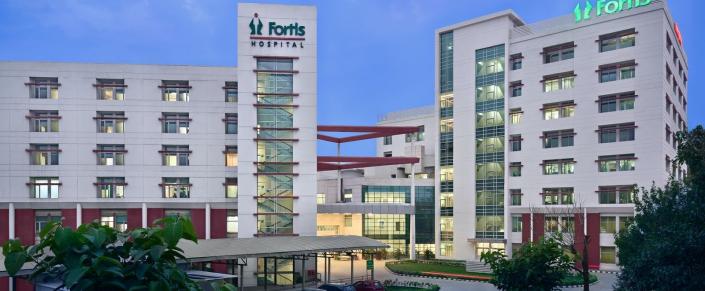
Fortis Hospital, Noida is a leading centre for the diagnosis and treatment of digestive and liver disorders. Backed by a team of highly experienced gastroenterologists, hepatologists, and a dedicated GI nursing team, we provide world-class care using the latest diagnostic and therapeutic techniques.
With advanced endoscopy suites, minimally invasive procedures, and a multidisciplinary approach, we manage both common and complex gastrointestinal (GI) and hepatic conditions. Whether it’s acid reflux, IBS, hepatitis, or liver cirrhosis, our department is committed to personalized care, improved outcomes, and long-term digestive health.
Our Key Procedures
• Upper GI Endoscopy – For diagnosing ulcers, GERD, and cancers
• Colonoscopy – For colon cancer screening and evaluation of bowel disorders
• ERCP – For treatment of bile duct and pancreatic duct conditions
• Endoscopic Ultrasound (EUS) – High-resolution imaging for GI and pancreatic diseases
• Liver Biopsy & FibroScan – For evaluating liver disease severity
• Polypectomy – Removal of polyps to prevent colorectal cancer
Why Choose Us
-
 Highly skilled and experienced gastroenterologists and hepatologists
 -
 Dedicated suite for GI procedures (Endoscopy, Colonoscopy and ERCP)
 -
 Referral center for ERCP, Endoscopic Ultrasound and other GI procedures
 -
 Emergency Endoscopy services available round the clock
 -
 Minimally invasive endoscopic procedures, ensuring precise diagnosis and effective treatments
Medical Conditions Related to Gastroenterology
Our Team of Experts
FAQs
-
1. What symptoms indicate I should see a gastroenterologist?Persistent abdominal pain, bloating, diarrhoea, constipation, nausea, vomiting, blood in stool, or if you have a family history of GI conditions. Screening is also recommended if you're over 50.
-
2. How do I prepare for an endoscopy or colonoscopy?You'll be given specific instructions, including dietary restrictions and fasting. Our team ensures you're well-prepared and comfortable.
-
3. Are gastrointestinal procedures painful?Most are minimally invasive and performed under sedation or anaesthesia to ensure comfort. Recovery is usually quick.
-
4. What are the common diagnostic tests used?These include blood tests, stool tests, imaging (ultrasound, CT), breath tests, endoscopy, and colonoscopy.
-
5. What lifestyle changes might be recommended?Depending on the condition, changes may include a high-fibre diet, avoiding trigger foods, reducing alcohol and caffeine, quitting smoking, and managing stress.