Fortis Hospital, Noida Fortis Hospital, India, is a leading multi-specialty tertiary care hospital that has played a pivotal role in transforming the medical healthcare infrastructure in the Asian region. It is one of the oldest and most trusted hospitals in India.
Department of Haematology, Paediatric Haemato-oncology & Bone Marrow Transplantatio
The Department of Haematology, Paediatric Haemato-oncology & Bone Marrow Transplantation at Fortis provides broad-ranging, integrated and patient-centric services for the diagnosis and management of all kinds of blood disorders in adults and children, including cancers of the blood. Backed by an extensive team of experienced haematologists, the Department strives to become the most sought after centre for all blood related disorders. The Department always remains at the forefront of existing methods and advancements in haematology services, making for a dynamic, efficient and self-reliant centre with a wide array of specialisation.

Our highly qualified multi-disciplinary team comprises adult haematologists and paediatric haemato-oncologists that offer treatment of complex blood disorders. Moreover, our constant quest to advance our knowledge and methods puts us at the extreme edge of what is possible, making for a dynamic team offering services of superlative clinical quality. We are proud of our highest standards of patient care, which lies at the heart of all our activities. Our supportive services are second to none, making our steadfast and highly specialized center a place of contentment for patients suffering from any kind of blood disorder.

Image

Why Choose Us

  • 24 Hours Service
  • More than 37 year of clinical experience
  • International Patients Services
  • Highly Advanced Medical Care
  • 24*7 well equipped Ambulance and Emergency Services

Our Team of Experts

FORTIS HEALTHCARE?

FAQs

  • What is the cut-off age (eligibility) for a bone marrow transplant?
    Bone marrow cell donors and recipients of all ages who meet strict health criteria are eligible for bone marrow transplant. This means both, the donor and the patient who is to receive the donor bone marrow cells, will undergo stringent tests to check for underlying risks and heath issues that could restrict the treatment. While younger donors under the age of 65 years are preferred for BMT, transplant recipients age can be extended upto 75 years if they are otherwise fit and without accompanying severe illness.
  • Can leukemia be cured after bone marrow transplant?
    There are four common types of leukemia. Of these, Acute Leukemia is the highly curable form of adult leukemia. This is attributed to the advances in the diagnosis and high-precision treatment of this type of blood cancer. Cure rates of 80-90 percent following bone marrow transplant have been reported from centers specializing in acute leukemia treatment, including Fortis Hospital in Mumbai, India.
  • Which family members can donate bone marrow?
    Seeking a bone marrow donor within the family is the first option. A brother or sister is most likely to be a perfect match as a donor. This is called a matched sibling donor transplant. There’s a 1 in 4 chance of the bone marrow cells matching among siblings. One’s parents, own children, and other relatives can sometimes be good matches. Only about 30% of those who need a bone marrow transplant can find a matching donor in their own family.
  • Is bone marrow transplant painful?
    The transplant procedure is not painful because it is not surgery. In fact, it is similar to a blood transfusion. The bone marrow cells are infused into the vein directly through a thin catheter or intravenous tube. This process could take a couple of hours and the recipient is awake throughout.
  • Can you walk after a bone marrow transplant?
    Recovery after a bone marrow transplant is gradual but most patients can walk throughout the transplant period barring a few days time when they have low blood counts. It could take several weeks for the new bone marrow cells which were infused into the blood to travel to the bone marrow to begin to make healthy new cells. In some, it could take longer. This is why doctors will keep a steady watch on the recipients to monitor their progress. Depending on the type of transplant, and the risks of complications, doctors could recommend light forms of exercising like walking for short periods within the transplant unit itself.
  • How long is recovery after bone marrow transplant?
    Recovery after a bone marrow transplant is gradual. It takes up to 2 weeks for the newly infused cells to reach the bone marrow to begin to make healthy new cells. This process is called engraftment. In some recipients, it could take longer. During this time the immunity system can be weak. To prevent infections or the risk of complications, doctors recommend hospitalization for a few weeks to around 90 days to monitor the progress. Even after being discharged from the hospital, the bone marrow transplant recipients will have to visit the hospital for routine follow-ups with the doctors to check the response to the transplant.
  • How is the bone marrow collected?
    The bone marrow can be collected through two main methods: a bone marrow aspiration, which involves removing a small amount of liquid bone marrow from the hipbone using a needle, or a peripheral blood stem cell transplant, which involves collecting stem cells from the bloodstream through a process called apheresis.
Form Fields
Bone marrow transplant for Sickle Cell disease at Fortis Healthcare.
The Department of Haematology, Paediatric Haemato-oncology and Bone Marrow Transplant at Fortis provides the facility of bone marrow transplantation for the Sickle cell disease patients. Our team is able to deliver excellence in patient care as a result of their vast experience, dedication and extensive knowledge on the subject.

We provide state-of-the -art care for sickle cell disease transplants. We have been curing the patients of sickle cell disease coming from all over the world.

At Fortis Healthcare we have best team, who treats sickle cell patients. We have dedicated center customized for sickle cell patients. Over the years we have developed the center which has advanced technology and experienced team of doctor and highly trained support staff. Our outcome has been greatly enhanced with continuous practice and technology upgrade.
Image

Why Choose Us

  • 24 Hours Service
  • More than 37 year of clinical experience
  • International Patients Services
  • Highly Advanced Medical Care
  • 24*7 well equipped Ambulance and Emergency Services

Our Team of Experts

FORTIS HEALTHCARE

WHAT WE TREATED

FAQs

  • What is the cut-off age (eligibility) for a bone marrow transplant?
    Bone marrow cell donors and recipients of all ages who meet strict health criteria are eligible for bone marrow transplant. This means both, the donor and the patient who is to receive the donor bone marrow cells, will undergo stringent tests to check for underlying risks and heath issues that could restrict the treatment. While younger donors under the age of 65 years are preferred for BMT, transplant recipients age can be extended upto 75 years if they are otherwise fit and without accompanying severe illness.
  • Can leukemia be cured after bone marrow transplant?
    There are four common types of leukemia. Of these, Acute Leukemia is the highly curable form of adult leukemia. This is attributed to the advances in the diagnosis and high-precision treatment of this type of blood cancer. Cure rates of 80-90 percent following bone marrow transplant have been reported from centers specializing in acute leukemia treatment, including Fortis Hospital in Mumbai, India.
  • Which family members can donate bone marrow?
    Seeking a bone marrow donor within the family is the first option. A brother or sister is most likely to be a perfect match as a donor. This is called a matched sibling donor transplant. There’s a 1 in 4 chance of the bone marrow cells matching among siblings. One’s parents, own children, and other relatives can sometimes be good matches. Only about 30% of those who need a bone marrow transplant can find a matching donor in their own family.
  • Is bone marrow transplant painful?
    The transplant procedure is not painful because it is not surgery. In fact, it is similar to a blood transfusion. The bone marrow cells are infused into the vein directly through a thin catheter or intravenous tube. This process could take a couple of hours and the recipient is awake throughout.
  • Can you walk after a bone marrow transplant?
    Recovery after a bone marrow transplant is gradual but most patients can walk throughout the transplant period barring a few days time when they have low blood counts. It could take several weeks for the new bone marrow cells which were infused into the blood to travel to the bone marrow to begin to make healthy new cells. In some, it could take longer. This is why doctors will keep a steady watch on the recipients to monitor their progress. Depending on the type of transplant, and the risks of complications, doctors could recommend light forms of exercising like walking for short periods within the transplant unit itself.
  • How long is recovery after bone marrow transplant?
    Recovery after a bone marrow transplant is gradual. It takes up to 2 weeks for the newly infused cells to reach the bone marrow to begin to make healthy new cells. This process is called engraftment. In some recipients, it could take longer. During this time the immunity system can be weak. To prevent infections or the risk of complications, doctors recommend hospitalization for a few weeks to around 90 days to monitor the progress. Even after being discharged from the hospital, the bone marrow transplant recipients will have to visit the hospital for routine follow-ups with the doctors to check the response to the transplant.
Form Fields
Cancer Treatment At Fortis Hospital

With timely diagnosis,. of Cancer, timely diagnosis can save your life. Fortis Hospitals has taken multiple safety measures so you receive safe care for all your health needs. With cancer detection and treatment, acting at the right time may make all the difference. So, don’t let the pandemic delay your cancer treatments, Visit Fortis Hospital, your Guardian of Health for Comprehensive and safe oncology and oncosurgery procedures.
 

Right from the diagnosis to the staging of the disorder and its treatment and management, our doctors brainstorm together on the best mode of treatment following stringent diagnostic and staging protocols, making Fortis Hospital at the frontline of specialized hemato oncology care.

Immense research goes into determining the type and nature of the underlying disorders afflicting the blood. In the hands of the best medical experts at Fortis Hospital , patients can be assured of treatment excellence.


Hematology then is the study, diagnosis, prevention and treatment of blood diseases, while oncology is about cancers. Hemato-oncology is a combination of both these blood diseases that include iron deficiency anemia, hemophilia, thalassemia and sickle cell disease, as well blood cancers such as leukemia an lymphomas

Why Choose Us

  • 24*7 well equipped Ambulance and Emergency Services
  • More than 37 year of clinical experience
  • International Patients Services
  • Highly Advanced Medical Care
  • 24*7 well equipped Ambulance and Emergency Services
  • JCI and NABH Certified Hospital(Fortis Hospitals)
  • Dedicated Block for Oncology OPD’s

Our Team of Experts

Our patient’s stories

Explore Videos

FAQs

  • What is the cut-off age (eligibility) for a bone marrow transplant?
    Bone marrow cell donors and recipients of all ages who meet strict health criteria are eligible for bone marrow transplant. This means both, the donor and the patient who is to receive the donor bone marrow cells, will undergo stringent tests to check for underlying risks and heath issues that could restrict the treatment. While younger donors under the age of 65 years are preferred for BMT, transplant recipients age can be extended upto 75 years if they are otherwise fit and without accompanying severe illness.
  • Can leukemia be cured after bone marrow transplant?
    There are four common types of leukemia. Of these, Acute Leukemia is the highly curable form of adult leukemia. This is attributed to the advances in the diagnosis and high-precision treatment of this type of blood cancer. Cure rates of 80-90 percent following bone marrow transplant have been reported from centers specializing in acute leukemia treatment, including Fortis Hospital in Mumbai, India.
  • Which family members can donate bone marrow?
    Seeking a bone marrow donor within the family is the first option. A brother or sister is most likely to be a perfect match as a donor. This is called a matched sibling donor transplant. There’s a 1 in 4 chance of the bone marrow cells matching among siblings. One’s parents, own children, and other relatives can sometimes be good matches. Only about 30% of those who need a bone marrow transplant can find a matching donor in their own family.
  • Is bone marrow transplant painful?
    The transplant procedure is not painful because it is not surgery. In fact, it is similar to a blood transfusion. The bone marrow cells are infused into the vein directly through a thin catheter or intravenous tube. This process could take a couple of hours and the recipient is awake throughout.
  • Can you walk after a bone marrow transplant?
    Recovery after a bone marrow transplant is gradual but most patients can walk throughout the transplant period barring a few days time when they have low blood counts. It could take several weeks for the new bone marrow cells which were infused into the blood to travel to the bone marrow to begin to make healthy new cells. In some, it could take longer. This is why doctors will keep a steady watch on the recipients to monitor their progress. Depending on the type of transplant, and the risks of complications, doctors could recommend light forms of exercising like walking for short periods within the transplant unit itself.
  • How long is recovery after bone marrow transplant?
    Recovery after a bone marrow transplant is gradual. It takes up to 2 weeks for the newly infused cells to reach the bone marrow to begin to make healthy new cells. This process is called engraftment. In some recipients, it could take longer. During this time the immunity system can be weak. To prevent infections or the risk of complications, doctors recommend hospitalization for a few weeks to around 90 days to monitor the progress. Even after being discharged from the hospital, the bone marrow transplant recipients will have to visit the hospital for routine follow-ups with the doctors to check the response to the transplant.
Form Fields
Cancer Treatment At Fortis Hospital

With timely diagnosis,. of Cancer, timely diagnosis can save your life. Fortis Hospitals has taken multiple safety measures so you receive safe care for all your health needs. With cancer detection and treatment, acting at the right time may make all the difference. So, don’t let the pandemic delay your cancer treatments, Visit Fortis Hospital, your Guardian of Health for Comprehensive and safe oncology and oncosurgery procedures.
 

Right from the diagnosis to the staging of the disorder and its treatment and management, our doctors brainstorm together on the best mode of treatment following stringent diagnostic and staging protocols, making Fortis Hospital Bannerghatta at the frontline of specialized hemato oncology care.

Immense research goes into determining the type and nature of the underlying disorders afflicting the blood. In the hands of the best medical experts at Fortis Hospital Bannerghatta, patients can be assured of treatment excellence.


Hematology then is the study, diagnosis, prevention and treatment of blood diseases, while oncology is about cancers. Hemato-oncology is a combination of both these blood diseases that include iron deficiency anemia, hemophilia, thalassemia and sickle cell disease, as well blood cancers such as leukemia an lymphomas

Why Choose Us

  • More than 37 year of clinical experience
  • International Patients Services
  • Highly Advanced Medical Care
  • 24*7 well equipped Ambulance and Emergency Services
  • JCI and NABH Certified Hospital(Fortis Hospitals)
  • Dedicated Block for Oncology OPD’s
  • Complete compliance with surgical medical and radiation services

Oncology Treatment Procedures

Our Team of Experts

Our patient’s stories

Explore Videos

FAQs

  • What is the cut-off age (eligibility) for a bone marrow transplant?
    Bone marrow cell donors and recipients of all ages who meet strict health criteria are eligible for bone marrow transplant. This means both, the donor and the patient who is to receive the donor bone marrow cells, will undergo stringent tests to check for underlying risks and heath issues that could restrict the treatment. While younger donors under the age of 65 years are preferred for BMT, transplant recipients age can be extended upto 75 years if they are otherwise fit and without accompanying severe illness.
  • Can leukemia be cured after bone marrow transplant?
    There are four common types of leukemia. Of these, Acute Leukemia is the highly curable form of adult leukemia. This is attributed to the advances in the diagnosis and high-precision treatment of this type of blood cancer. Cure rates of 80-90 percent following bone marrow transplant have been reported from centers specializing in acute leukemia treatment, including Fortis Hospital in Mumbai, India.
  • Which family members can donate bone marrow?
    Seeking a bone marrow donor within the family is the first option. A brother or sister is most likely to be a perfect match as a donor. This is called a matched sibling donor transplant. There’s a 1 in 4 chance of the bone marrow cells matching among siblings. One’s parents, own children, and other relatives can sometimes be good matches. Only about 30% of those who need a bone marrow transplant can find a matching donor in their own family.
  • Is bone marrow transplant painful?
    The transplant procedure is not painful because it is not surgery. In fact, it is similar to a blood transfusion. The bone marrow cells are infused into the vein directly through a thin catheter or intravenous tube. This process could take a couple of hours and the recipient is awake throughout.
  • Can you walk after a bone marrow transplant?
    Recovery after a bone marrow transplant is gradual but most patients can walk throughout the transplant period barring a few days time when they have low blood counts. It could take several weeks for the new bone marrow cells which were infused into the blood to travel to the bone marrow to begin to make healthy new cells. In some, it could take longer. This is why doctors will keep a steady watch on the recipients to monitor their progress. Depending on the type of transplant, and the risks of complications, doctors could recommend light forms of exercising like walking for short periods within the transplant unit itself.
  • How long is recovery after bone marrow transplant?
    Recovery after a bone marrow transplant is gradual. It takes up to 2 weeks for the newly infused cells to reach the bone marrow to begin to make healthy new cells. This process is called engraftment. In some recipients, it could take longer. During this time the immunity system can be weak. To prevent infections or the risk of complications, doctors recommend hospitalization for a few weeks to around 90 days to monitor the progress. Even after being discharged from the hospital, the bone marrow transplant recipients will have to visit the hospital for routine follow-ups with the doctors to check the response to the transplant.
Form Fields
36 Healthcare Facilities
Ultra Cutting- Edge Technology
12,500+ Healthcare professionals
Cancer Care and Treatment at Fortis Healthcare

Cancer Care at Fortis International

Fortis Cancer Institute provides comprehensive cancer care for patients from India and across the world. Our oncology centres bring together experienced medical oncologists, surgical oncologists, radiation oncologists, pathologists, radiologists, nurses and allied healthcare professionals to provide coordinated, evidence-based cancer care.

From advanced diagnosis and staging to surgery, chemotherapy, radiation therapy, immunotherapy, targeted therapy and bone marrow transplantation, our multidisciplinary teams develop personalised treatment plans based on the patient's cancer type, stage, overall health and, where appropriate, molecular and genetic characteristics.

For international patients, Fortis combines advanced clinical expertise with dedicated support throughout the treatment journey — from remote medical opinion and appointment coordination to treatment, recovery and follow-up.

Why Choose Fortis for Oncology

1. Experienced Oncology Specialists

Our oncology programme brings together specialists with experience across a wide range of cancers, including breast cancer, lung cancer, gastrointestinal cancers, gynaecological cancers, head and neck cancers, blood cancers and paediatric cancers.

Patients are evaluated by specialists relevant to their diagnosis, with treatment decisions based on established clinical protocols and individual patient needs.

2. Advanced Cancer Diagnosis & Treatment Infrastructure

Fortis hospitals offer access to advanced diagnostic and treatment facilities, depending on the hospital and clinical requirement. These may include PET-CT, advanced imaging, radiation therapy systems, robotic-assisted surgery, minimally invasive surgical facilities and specialised bone marrow transplant units.

Our infrastructure is designed to support patients through different stages of cancer diagnosis and treatment within an integrated healthcare environment.

3. Comprehensive Cancer Treatment

Fortis provides a broad range of oncology services, including:

  • Surgical Oncology – Open, laparoscopic, minimally invasive and robotic-assisted cancer surgery where clinically appropriate
  • Medical Oncology – Chemotherapy, targeted therapy, immunotherapy and hormonal therapy
  • Radiation Oncology – Advanced radiation treatment planned according to the patient's diagnosis
  • Haemato-Oncology – Diagnosis and treatment of blood cancers and related disorders
  • Bone Marrow Transplantation – Specialist transplant care for appropriate patients
  • Paediatric Oncology – Cancer care designed for children and adolescents
  • Supportive & Palliative Care – Symptom management, rehabilitation, nutritional support and psychological care

4. Personalised, Evidence-Based Treatment

Cancer treatment is not the same for every patient. Our specialists consider factors such as the type and stage of cancer, pathology findings, previous treatment, overall health and, where relevant, molecular or genetic information.

Based on this assessment, the oncology team develops an individualised treatment plan and discusses the available options, expected treatment pathway and potential risks with the patient and family.

5. Multidisciplinary Cancer Care

Complex cancer cases may be reviewed by a multidisciplinary tumour board comprising medical oncologists, surgical oncologists, radiation oncologists, radiologists, pathologists and other relevant specialists.

This collaborative approach allows different aspects of a patient's diagnosis and treatment to be considered together before the treatment plan is finalised.

6. International Patient Support

Fortis International provides assistance to patients travelling to India for cancer treatment.

International patients can receive support with:

  • Remote medical consultation and preliminary case review
  • Appointment coordination with relevant specialists
  • Medical record and diagnostic report assessment
  • Treatment planning and scheduling
  • Assistance with hospital admission and coordination
  • Language and communication support, where available
  • Visa-related documentation support, where applicable
  • Airport transfer and accommodation assistance, subject to applicable arrangements
  • Post-treatment follow-up and coordination

Our international patient services team helps patients and their accompanying family members navigate the healthcare journey in India.

Cancers Treated at Fortis

Our oncology teams provide specialised care for a wide range of cancers and blood disorders, including:

  1. Breast Cancer
  2. Lung Cancer
  3. Gastrointestinal (GI) Cancers
  4. Gynaecological Cancers
  5. Head & Neck Cancers
  6. Urological Cancers
  7. Colorectal Cancer
  8. Liver & Pancreatic Cancers
  9. Leukemia
  10. Lymphoma
  11. Multiple Myeloma
  12. Paediatric Cancers
  13. Bone & Soft Tissue Tumours
  14. Brain & Central Nervous System Tumours
  15. Aplastic Anaemia and Related Blood Disorders

The availability of specific oncology services and treatments may vary by Fortis hospital and clinical requirement.

Your Cancer Care Journey at Fortis

From your first consultation to treatment and follow-up, our teams coordinate care across different stages of your cancer journey.

Step 1: Share Your Medical Records

International patients can share available medical records, pathology reports, imaging reports and previous treatment summaries for preliminary review.

Step 2: Specialist Consultation

Our international patient team coordinates a consultation with the appropriate oncology specialist based on your diagnosis and medical history.

Step 3: Diagnosis & Staging

Where required, additional investigations may be recommended to confirm the diagnosis, determine the stage of cancer and understand the patient's condition.

These may include imaging, biopsy, pathology review, molecular testing or other investigations.

Step 4: Multidisciplinary Treatment Planning

For appropriate cases, specialists from different oncology disciplines collaborate to determine an individualised treatment approach.

Step 5: Treatment

Depending on the diagnosis and treatment plan, care may include surgery, chemotherapy, radiation therapy, immunotherapy, targeted therapy, hormonal therapy or bone marrow transplantation.

Step 6: Recovery & Follow-Up

Following treatment, patients may receive rehabilitation, nutritional support, pain and symptom management, counselling and scheduled oncology follow-ups.

For international patients returning to their home country, follow-up plans can also be discussed with the treating team.

Seeking a Second Opinion?

If you have already been diagnosed or have received a treatment recommendation elsewhere, you can seek a second opinion from a Fortis oncology specialist.

A second opinion may involve a review of your pathology, imaging, diagnosis, cancer stage and proposed treatment plan. Based on the available medical information, the specialist may discuss the diagnosis and available treatment options with you.

What to Share for a Cancer Second Opinion

To help our specialists understand your case, please keep the following documents ready:

  1. Pathology and biopsy reports
  2. CT, PET-CT, MRI or other imaging reports
  3. Previous treatment summaries
  4. Current medication list
  5. Blood and other relevant investigation reports
  6. Previous surgery or radiation treatment details, if applicable
  7. Molecular or genetic test reports, where available

Cancer Treatment in India with Fortis

For patients travelling from overseas, Fortis International combines specialist oncology care with coordinated international patient services.

Our teams work together to help patients understand their diagnosis, explore appropriate treatment options and navigate their care journey in India.

Connect with Fortis International to share your medical records and explore the next steps in your cancer care.

Why Choose Us

  • Multi-speciality departmental approach with Twice a week tumour board
  • Complete compliance with surgical medical and radiation services
  • Dedicated Block for Oncology OPD’s
  • Team of Experts & Cancer Specialist
  • 24*7 well equipped Ambulance and Emergency Services
  • Team of Expert Oncology Specialists

Our Team of Experts

FORTIS HEALTHCARE

Our patient’s stories

FAQs

  • What is the cut-off age (eligibility) for a bone marrow transplant?
    Bone marrow cell donors and recipients of all ages who meet strict health criteria are eligible for bone marrow transplant. This means both, the donor and the patient who is to receive the donor bone marrow cells, will undergo stringent tests to check for underlying risks and heath issues that could restrict the treatment. While younger donors under the age of 65 years are preferred for BMT, transplant recipients age can be extended upto 75 years if they are otherwise fit and without accompanying severe illness.
  • Can leukemia be cured after bone marrow transplant?
    There are four common types of leukemia. Of these, Acute Leukemia is the highly curable form of adult leukemia. This is attributed to the advances in the diagnosis and high-precision treatment of this type of blood cancer. Cure rates of 80-90 percent following bone marrow transplant have been reported from centers specializing in acute leukemia treatment, including Fortis Hospital in Mumbai, India.
  • Which family members can donate bone marrow?
    Seeking a bone marrow donor within the family is the first option. A brother or sister is most likely to be a perfect match as a donor. This is called a matched sibling donor transplant. There’s a 1 in 4 chance of the bone marrow cells matching among siblings. One’s parents, own children, and other relatives can sometimes be good matches. Only about 30% of those who need a bone marrow transplant can find a matching donor in their own family.
  • Is bone marrow transplant painful?
    The transplant procedure is not painful because it is not surgery. In fact, it is similar to a blood transfusion. The bone marrow cells are infused into the vein directly through a thin catheter or intravenous tube. This process could take a couple of hours and the recipient is awake throughout.
  • Can you walk after a bone marrow transplant?
    Recovery after a bone marrow transplant is gradual but most patients can walk throughout the transplant period barring a few days time when they have low blood counts. It could take several weeks for the new bone marrow cells which were infused into the blood to travel to the bone marrow to begin to make healthy new cells. In some, it could take longer. This is why doctors will keep a steady watch on the recipients to monitor their progress. Depending on the type of transplant, and the risks of complications, doctors could recommend light forms of exercising like walking for short periods within the transplant unit itself.
  • How long is recovery after bone marrow transplant?
    Recovery after a bone marrow transplant is gradual. It takes up to 2 weeks for the newly infused cells to reach the bone marrow to begin to make healthy new cells. This process is called engraftment. In some recipients, it could take longer. During this time the immunity system can be weak. To prevent infections or the risk of complications, doctors recommend hospitalization for a few weeks to around 90 days to monitor the progress. Even after being discharged from the hospital, the bone marrow transplant recipients will have to visit the hospital for routine follow-ups with the doctors to check the response to the transplant.
Form Fields
236 Bedded Hospital
12 OTs & 92 ICU Beds
24*7 Emergency facility
Department of Haematology, Paediatric Haemato-oncology & Bone Marrow Transplantatio
The Department of Haematology, Paediatric Haemato-oncology & Bone Marrow Transplantation at Fortis provides broad-ranging, integrated and patient-centric services for the diagnosis and management of all kinds of blood disorders in adults and children, including cancers of the blood. Backed by an extensive team of experienced haematologists, the Department strives to become the most sought after centre for all blood related disorders. The Department always remains at the forefront of existing methods and advancements in haematology services, making for a dynamic, efficient and self-reliant centre with a wide array of specialisation.

Our highly qualified multi-disciplinary team comprises adult haematologists and paediatric haemato-oncologists that offer treatment of complex blood disorders. Moreover, our constant quest to advance our knowledge and methods puts us at the extreme edge of what is possible, making for a dynamic team offering services of superlative clinical quality. We are proud of our highest standards of patient care, which lies at the heart of all our activities. Our supportive services are second to none, making our steadfast and highly specialized center a place of contentment for patients suffering from any kind of blood disorder.

Why Choose Us

  • State-of-the-art in-house blood bank facility for regular support during the transplant
  • Collective experience of 1000+ bone marrow transplants
  • A team of 6 doctors including adult and paediatric hemato-oncologist and BMT experts
  • 1:1 Nursing ratio that helps to provide the best in class care during the hospital stay
  • Dedicated team for infection control to control infections at all levels during the transplant
  • Inhouse chemotherapy and radiation therapy units are available

Our Team of Experts

FORTIS HEALTHCARE?

Fortis Hospital, India

  • Blood Cancers (Leukemia, Lymphoma, Multiple Myeloma)
  • 1900+ BMT Transplant

Our patient’s stories

FAQs

  • What is the cut-off age (eligibility) for a bone marrow transplant?
    Bone marrow cell donors and recipients of all ages who meet strict health criteria are eligible for bone marrow transplant. This means both, the donor and the patient who is to receive the donor bone marrow cells, will undergo stringent tests to check for underlying risks and heath issues that could restrict the treatment. While younger donors under the age of 65 years are preferred for BMT, transplant recipients age can be extended upto 75 years if they are otherwise fit and without accompanying severe illness.
  • Can leukemia be cured after bone marrow transplant?
    There are four common types of leukemia. Of these, Acute Leukemia is the highly curable form of adult leukemia. This is attributed to the advances in the diagnosis and high-precision treatment of this type of blood cancer. Cure rates of 80-90 percent following bone marrow transplant have been reported from centers specializing in acute leukemia treatment, including Fortis Hospital in Mumbai, India.
  • Which family members can donate bone marrow?
    Seeking a bone marrow donor within the family is the first option. A brother or sister is most likely to be a perfect match as a donor. This is called a matched sibling donor transplant. There’s a 1 in 4 chance of the bone marrow cells matching among siblings. One’s parents, own children, and other relatives can sometimes be good matches. Only about 30% of those who need a bone marrow transplant can find a matching donor in their own family.
  • Is bone marrow transplant painful?
    The transplant procedure is not painful because it is not surgery. In fact, it is similar to a blood transfusion. The bone marrow cells are infused into the vein directly through a thin catheter or intravenous tube. This process could take a couple of hours and the recipient is awake throughout.
  • Can you walk after a bone marrow transplant?
    Recovery after a bone marrow transplant is gradual but most patients can walk throughout the transplant period barring a few days time when they have low blood counts. It could take several weeks for the new bone marrow cells which were infused into the blood to travel to the bone marrow to begin to make healthy new cells. In some, it could take longer. This is why doctors will keep a steady watch on the recipients to monitor their progress. Depending on the type of transplant, and the risks of complications, doctors could recommend light forms of exercising like walking for short periods within the transplant unit itself.
  • How long is recovery after bone marrow transplant?
    Recovery after a bone marrow transplant is gradual. It takes up to 2 weeks for the newly infused cells to reach the bone marrow to begin to make healthy new cells. This process is called engraftment. In some recipients, it could take longer. During this time the immunity system can be weak. To prevent infections or the risk of complications, doctors recommend hospitalization for a few weeks to around 90 days to monitor the progress. Even after being discharged from the hospital, the bone marrow transplant recipients will have to visit the hospital for routine follow-ups with the doctors to check the response to the transplant.
  • How is the bone marrow collected?
    The bone marrow can be collected through two main methods: a bone marrow aspiration, which involves removing a small amount of liquid bone marrow from the hipbone using a needle, or a peripheral blood stem cell transplant, which involves collecting stem cells from the bloodstream through a process called apheresis.
Form Fields
236 Bedded Hospital
12 OTs & 92 ICU Beds
24*7 Emergency facility
About the Department of Hematology & Bone Marrow Transplant

The Department of Haematology & Bone Marrow Transplantation at Fortis Hospitals, provides broad-ranging, integrated and patient-centric services for the diagnosis and management of all kinds of blood disorders in adults and children, including cancers of the blood. Backed by an extensive team of experienced haematologists, the Department strives to become the most sought-after centre for all blood-related disorders. The Department always remains at the forefront of existing methods and advancements in haematology services, making for a dynamic, efficient and self-reliant centre with a wide array of specialisations.

Our highly qualified multi-disciplinary team comprises adult haematologists and paediatric haemato-oncologists that offer treatment of complex blood disorders. Moreover, our constant quest to advance our knowledge and methods puts us at the extreme edge of what is possible, making for a dynamic team offering services of superlative clinical quality. We are proud of our highest standards of patient care, which lie at the heart of all our activities. Our supportive services are second to none, making our steadfast and highly specialized center a place of contentment for patients suffering from any kind of blood disorder.

Fortis Hospitals is the best hospital for Bone Marrow transplants in India. Our team of India's top transplant specialists has rich expertise in the complete range of bone marrow transplants (BMT) in all age groups. Our hematologists have pioneering experience in delicate BMTs. We have a dedicated organ transplant unit equipped with the latest technology in BMT.


Ready to experience world-class care for blood disorders? Contact us today to schedule a consultation with our expert team. Your journey towards optimal health starts here at Fortis Hospitals. 

Image

Why Choose Us

  • Collective experience of 1000+ bone marrow transplants
  • State-of-the-art hepa-filtered bone marrow transplant unit
  • A team of 6 doctors including adult and paediatric hemato-oncologist and BMT experts
  • 1:1 Nursing ratio that helps to provide the best in class care during the hospital stay
  • Dedicated team for infection control to control infections at all levels during the transplant
  • State-of-the-art in-house blood bank facility for regular support during the transplant
  • Inhouse chemotherapy and radiation therapy units are available
  • Best-in-class critical care unit, managed by the finest intensive care team
  • Comprehensive day care facility

Our Team of Experts

Medical Conditions Related To Bone Marrow Transplant

Our patient’s stories

FAQs

  • 1. What is a bone marrow transplant?
    A bone marrow transplant is a medical procedure that involves replacing a patient's damaged or diseased bone marrow with healthy bone marrow stem cells, which can help treat various conditions such as leukemia, lymphoma, and multiple myeloma.
  • 2. How is the bone marrow collected?
    The bone marrow can be collected through two main methods: a bone marrow aspiration, which involves removing a small amount of liquid bone marrow from the hipbone using a needle, or a peripheral blood stem cell transplant, which involves collecting stem cells from the bloodstream through a process called apheresis.
  • 3. Who can be a bone marrow donor?
    Generally, donors need to be in good health and between the ages of 18 and 44. The donor's blood and tissue type must also match the recipient's to reduce the risk of complications.
  • 4. Can family members donate bone marrow?
    Seeking a bone marrow donor within the family is the first option. A brother or sister is most likely to be a perfect match as a donor. This is called a matched sibling donor transplant. There’s a 1 in 4 chance of the bone marrow cells matching among siblings. One’s parents, own children, and other relatives can sometimes be good matches. Only about 30% of those who need a bone marrow transplant can find a matching donor in their own family.
  • 5. What are the risks associated with a bone marrow transplant?
    Some of the potential risks and side effects of a bone marrow transplant include infections, bleeding, graft-versus-host disease (GVHD), and organ damage. The risks can vary depending on the patient's age, overall health, and the specific type of transplant.
  • 6. How long does the recovery process take?
    The recovery process can vary depending on the patient's overall health and the specific type of transplant. Patients may experience a range of side effects and complications during the recovery period, and it may take several months or even years to fully recover.
  • 7. How effective is a bone marrow transplant?
    The success rate of a bone marrow transplant depends on several factors, including the patient's age, overall health, and the specific condition being treated. In general, bone marrow transplants have a high success rate for treating certain types of blood cancers and other blood disorders.
  • 8. How can one prepare for a bone marrow transplant?
    Patients can prepare for a bone marrow transplant by following their doctor's instructions, maintaining a healthy lifestyle, and managing any underlying medical conditions. Patients should also be prepared for a long recovery process and work closely with their healthcare team to manage any side effects or complications.
  • 9. What is the cut-off age (eligibility) for a bone marrow transplant?
    Bone marrow cell donors and recipients of all ages who meet strict health criteria are eligible for bone marrow transplants. This means both the donor and the recipient will undergo stringent tests to check for underlying risks and health issues that could restrict the treatment. While younger donors under the age of 65 years are preferred for BMT and recipients’ age can be extended upto 75 years if they are fit and without accompanying severe illness.
  • 10. How long can a person live after a bone marrow transplant?
    The encouraging news is that the risks or complications following bone marrow transplant are decreasing according to medical research. This is making it possible for more people to live longer after a successful BMT. The general estimated survival rate following BMT is 80%; this means that the person can live a healthy life for many years after a BMT. The success rate of BMT varies from person to person, depending on the stage and type of cancer, general health condition according to age, etc.
  • 11. Is bone marrow transplant painful?
    The transplant procedure is not painful because it is not surgery. In fact, it is similar to a blood transfusion. The bone marrow cells are infused into the vein directly through a thin catheter or intravenous tube. This process could take a couple of hours and the recipient is awake throughout.
  • 12. How long is recovery after bone marrow transplant?
    Recovery after a bone marrow transplant is gradual. It takes up to 2 weeks for the newly infused cells to reach the bone marrow to begin to make healthy new cells. This process is called engraftment. In some recipients, it could take longer. During this time the immunity system can be weak. To prevent infections or the risk of complications, doctors recommend hospitalization for a few weeks to around 90 days to monitor the progress. Even after being discharged from the hospital, the bone marrow transplant recipients will have to visit the hospital for routine follow-ups with the doctors to check the response to the transplant.
Form Fields
236 Bedded Hospital
12 OTs & 92 ICU Beds
110+ Successful BMT's
Meet doctor in your city

Fortis Hospital's esteemed medical experts, Dr. Rahul Bhargava, Principal Director & Chief Haematology and Dr. Shrinidhi Nathany, Consultant- Molecular Haematology & Oncology, Genetic Counselling & Testing will be available in Kathmandu, Nepal on July 15th, 2024.  They will be sharing their invaluable insights to advance healthcare worldwide.


For more information, feel free to contact on +918800828010 (Call & WhatsApp) and visit us at Campaign page link where they can post their details.


#FortisInNepal #FortisHealthcare #AtFortisWeCare #FortisInternational


The Department of Haematology & Bone Marrow Transplantation at Fortis Hospitals, provides broad-ranging, integrated and patient-centric services for the diagnosis and management of all kinds of blood disorders in adults and children, including cancers of the blood. Backed by an extensive team of experienced haematologists, the Department strives to become the most sought-after centre for all blood-related disorders. The Department always remains at the forefront of existing methods and advancements in haematology services, making for a dynamic, efficient and self-reliant centre with a wide array of specialisations.

Our highly qualified multi-disciplinary team comprises adult haematologists and paediatric haemato-oncologists that offer treatment of complex blood disorders. Moreover, our constant quest to advance our knowledge and methods puts us at the extreme edge of what is possible, making for a dynamic team offering services of superlative clinical quality. We are proud of our highest standards of patient care, which lie at the heart of all our activities. Our supportive services are second to none, making our steadfast and highly specialized center a place of contentment for patients suffering from any kind of blood disorder.

Fortis Hospitals is the best hospital for Bone Marrow transplants in India. Our team of India's top transplant specialists has rich expertise in the complete range of bone marrow transplants (BMT) in all age groups. Our hematologists have pioneering experience in delicate BMTs. We have a dedicated organ transplant unit equipped with the latest technology in BMT.


Ready to experience world-class care for blood disorders? Contact us today to schedule a consultation with our expert team. Your journey towards optimal health starts here at Fortis Hospitals. 

Why Choose Us

  • Collective experience of 1000+ bone marrow transplants
  • State-of-the-art hepa-filtered bone marrow transplant unit
  • A team of 6 doctors including adult and paediatric hemato-oncologist and BMT experts
  • 1:1 Nursing ratio that helps to provide the best in class care during the hospital stay
  • Dedicated team for infection control to control infections at all levels during the transplant
  • State-of-the-art in-house blood bank facility for regular support during the transplant
  • Inhouse chemotherapy and radiation therapy units are available
  • Best-in-class critical care unit, managed by the finest intensive care team
  • Comprehensive day care facility

Our Team of Experts

Medical Conditions Related To Bone Marrow Transplant

Our patient’s stories

FAQs

  • 1. What is a bone marrow transplant?
    A bone marrow transplant is a medical procedure that involves replacing a patient's damaged or diseased bone marrow with healthy bone marrow stem cells, which can help treat various conditions such as leukemia, lymphoma, and multiple myeloma.
  • 2. How is the bone marrow collected?
    The bone marrow can be collected through two main methods: a bone marrow aspiration, which involves removing a small amount of liquid bone marrow from the hipbone using a needle, or a peripheral blood stem cell transplant, which involves collecting stem cells from the bloodstream through a process called apheresis.
  • 3. Who can be a bone marrow donor?
    Generally, donors need to be in good health and between the ages of 18 and 44. The donor's blood and tissue type must also match the recipient's to reduce the risk of complications.
  • 4. Can family members donate bone marrow?
    Seeking a bone marrow donor within the family is the first option. A brother or sister is most likely to be a perfect match as a donor. This is called a matched sibling donor transplant. There’s a 1 in 4 chance of the bone marrow cells matching among siblings. One’s parents, own children, and other relatives can sometimes be good matches. Only about 30% of those who need a bone marrow transplant can find a matching donor in their own family.
  • 5. What are the risks associated with a bone marrow transplant?
    Some of the potential risks and side effects of a bone marrow transplant include infections, bleeding, graft-versus-host disease (GVHD), and organ damage. The risks can vary depending on the patient's age, overall health, and the specific type of transplant.
  • 6. How long does the recovery process take?
    The recovery process can vary depending on the patient's overall health and the specific type of transplant. Patients may experience a range of side effects and complications during the recovery period, and it may take several months or even years to fully recover.
  • 7. How effective is a bone marrow transplant?
    The success rate of a bone marrow transplant depends on several factors, including the patient's age, overall health, and the specific condition being treated. In general, bone marrow transplants have a high success rate for treating certain types of blood cancers and other blood disorders.
  • 8. How can one prepare for a bone marrow transplant?
    Patients can prepare for a bone marrow transplant by following their doctor's instructions, maintaining a healthy lifestyle, and managing any underlying medical conditions. Patients should also be prepared for a long recovery process and work closely with their healthcare team to manage any side effects or complications.
  • 9. What is the cut-off age (eligibility) for a bone marrow transplant?
    Bone marrow cell donors and recipients of all ages who meet strict health criteria are eligible for bone marrow transplants. This means both the donor and the recipient will undergo stringent tests to check for underlying risks and health issues that could restrict the treatment. While younger donors under the age of 65 years are preferred for BMT and recipients’ age can be extended upto 75 years if they are fit and without accompanying severe illness.
  • 10. How long can a person live after a bone marrow transplant?
    The encouraging news is that the risks or complications following bone marrow transplant are decreasing according to medical research. This is making it possible for more people to live longer after a successful BMT. The general estimated survival rate following BMT is 80%; this means that the person can live a healthy life for many years after a BMT. The success rate of BMT varies from person to person, depending on the stage and type of cancer, general health condition according to age, etc.
  • 11. Is bone marrow transplant painful?
    The transplant procedure is not painful because it is not surgery. In fact, it is similar to a blood transfusion. The bone marrow cells are infused into the vein directly through a thin catheter or intravenous tube. This process could take a couple of hours and the recipient is awake throughout.
  • 12. How long is recovery after bone marrow transplant?
    Recovery after a bone marrow transplant is gradual. It takes up to 2 weeks for the newly infused cells to reach the bone marrow to begin to make healthy new cells. This process is called engraftment. In some recipients, it could take longer. During this time the immunity system can be weak. To prevent infections or the risk of complications, doctors recommend hospitalization for a few weeks to around 90 days to monitor the progress. Even after being discharged from the hospital, the bone marrow transplant recipients will have to visit the hospital for routine follow-ups with the doctors to check the response to the transplant.
Form Fields
1100+ Successful Transplants
12 OTs & 92 ICU Beds
24*7 Emergency facility
About the Department of Hematology & Bone Marrow Transplant


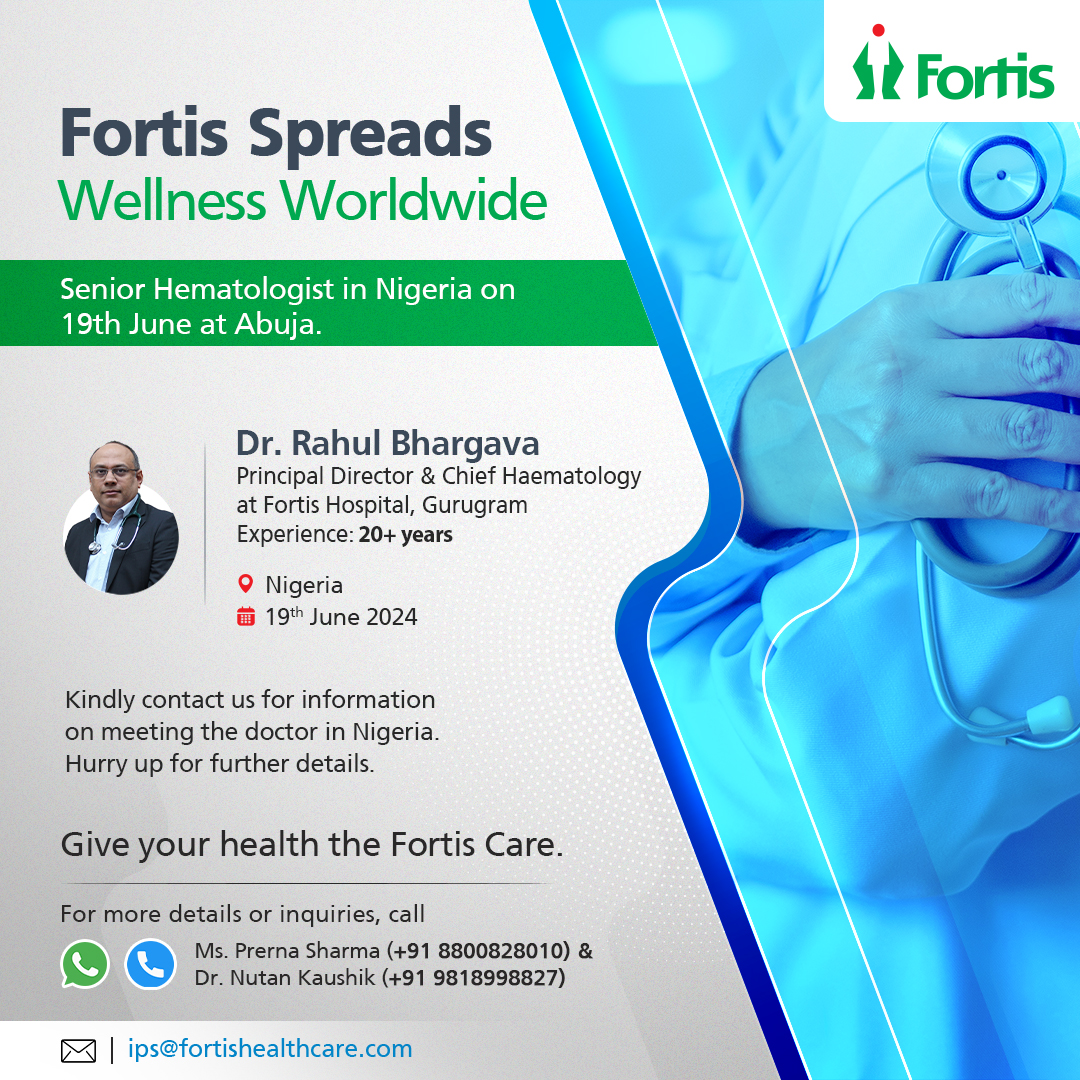
Fortis Hospital's esteemed medical expert, Dr. Rahul Bhargava, Principal Director and Chief Haematologist, Fortis Hospital, Gurugram, will be in Nigeria on June 19th, 2024. He will be sharing his invaluable insights, which will aid in advancing healthcare worldwide.


The Department of Haematology & Bone Marrow Transplantation at Fortis Hospitals, provides broad-ranging, integrated and patient-centric services for the diagnosis and management of all kinds of blood disorders in adults and children, including cancers of the blood. Backed by an extensive team of experienced haematologists, the Department strives to become the most sought-after centre for all blood-related disorders. The Department always remains at the forefront of existing methods and advancements in haematology services, making for a dynamic, efficient and self-reliant centre with a wide array of specialisations.

Our highly qualified multi-disciplinary team comprises adult haematologists and paediatric haemato-oncologists that offer treatment of complex blood disorders. Moreover, our constant quest to advance our knowledge and methods puts us at the extreme edge of what is possible, making for a dynamic team offering services of superlative clinical quality. We are proud of our highest standards of patient care, which lie at the heart of all our activities. Our supportive services are second to none, making our steadfast and highly specialized center a place of contentment for patients suffering from any kind of blood disorder.

Fortis Hospitals is the best hospital for Bone Marrow transplants in India. Our team of India's top transplant specialists has rich expertise in the complete range of bone marrow transplants (BMT) in all age groups. Our hematologists have pioneering experience in delicate BMTs. We have a dedicated organ transplant unit equipped with the latest technology in BMT.


Ready to experience world-class care for blood disorders? Contact us today to schedule a consultation with our expert team. Your journey towards optimal health starts here at Fortis Hospitals. 


@
Image

Why Choose Us

  • Collective experience of 1000+ bone marrow transplants
  • State-of-the-art hepa-filtered bone marrow transplant unit
  • A team of 6 doctors including adult and paediatric hemato-oncologist and BMT experts
  • 1:1 Nursing ratio that helps to provide the best in class care during the hospital stay
  • Dedicated team for infection control to control infections at all levels during the transplant
  • State-of-the-art in-house blood bank facility for regular support during the transplant
  • Inhouse chemotherapy and radiation therapy units are available
  • Best-in-class critical care unit, managed by the finest intensive care team
  • Comprehensive day care facility

Our Team of Experts

FORTIS Internationals hospital

Fortis Hospitals care for

  • Aplastic Anemia and Bone Marrow Failure
  • Genetic Disorders and Immunodeficiency Diseases

Medical Conditions Related To Bone Marrow Transplant

Our patient’s stories

FAQs

  • 1. What is a bone marrow transplant?
    A bone marrow transplant is a medical procedure that involves replacing a patient's damaged or diseased bone marrow with healthy bone marrow stem cells, which can help treat various conditions such as leukemia, lymphoma, and multiple myeloma.
  • 2. How is the bone marrow collected?
    The bone marrow can be collected through two main methods: a bone marrow aspiration, which involves removing a small amount of liquid bone marrow from the hipbone using a needle, or a peripheral blood stem cell transplant, which involves collecting stem cells from the bloodstream through a process called apheresis.
  • 3. Who can be a bone marrow donor?
    Generally, donors need to be in good health and between the ages of 18 and 44. The donor's blood and tissue type must also match the recipient's to reduce the risk of complications.
  • 4. Can family members donate bone marrow?
    Seeking a bone marrow donor within the family is the first option. A brother or sister is most likely to be a perfect match as a donor. This is called a matched sibling donor transplant. There’s a 1 in 4 chance of the bone marrow cells matching among siblings. One’s parents, own children, and other relatives can sometimes be good matches. Only about 30% of those who need a bone marrow transplant can find a matching donor in their own family.
  • 5. What are the risks associated with a bone marrow transplant?
    Some of the potential risks and side effects of a bone marrow transplant include infections, bleeding, graft-versus-host disease (GVHD), and organ damage. The risks can vary depending on the patient's age, overall health, and the specific type of transplant.
  • 6. How long does the recovery process take?
    The recovery process can vary depending on the patient's overall health and the specific type of transplant. Patients may experience a range of side effects and complications during the recovery period, and it may take several months or even years to fully recover.
  • 7. How effective is a bone marrow transplant?
    The success rate of a bone marrow transplant depends on several factors, including the patient's age, overall health, and the specific condition being treated. In general, bone marrow transplants have a high success rate for treating certain types of blood cancers and other blood disorders.
  • 8. How can one prepare for a bone marrow transplant?
    Patients can prepare for a bone marrow transplant by following their doctor's instructions, maintaining a healthy lifestyle, and managing any underlying medical conditions. Patients should also be prepared for a long recovery process and work closely with their healthcare team to manage any side effects or complications.
  • 9. What is the cut-off age (eligibility) for a bone marrow transplant?
    Bone marrow cell donors and recipients of all ages who meet strict health criteria are eligible for bone marrow transplants. This means both the donor and the recipient will undergo stringent tests to check for underlying risks and health issues that could restrict the treatment. While younger donors under the age of 65 years are preferred for BMT and recipients’ age can be extended upto 75 years if they are fit and without accompanying severe illness.
  • 10. How long can a person live after a bone marrow transplant?
    The encouraging news is that the risks or complications following bone marrow transplant are decreasing according to medical research. This is making it possible for more people to live longer after a successful BMT. The general estimated survival rate following BMT is 80%; this means that the person can live a healthy life for many years after a BMT. The success rate of BMT varies from person to person, depending on the stage and type of cancer, general health condition according to age, etc.
  • 11. Is bone marrow transplant painful?
    The transplant procedure is not painful because it is not surgery. In fact, it is similar to a blood transfusion. The bone marrow cells are infused into the vein directly through a thin catheter or intravenous tube. This process could take a couple of hours and the recipient is awake throughout.
  • 12. How long is recovery after bone marrow transplant?
    Recovery after a bone marrow transplant is gradual. It takes up to 2 weeks for the newly infused cells to reach the bone marrow to begin to make healthy new cells. This process is called engraftment. In some recipients, it could take longer. During this time the immunity system can be weak. To prevent infections or the risk of complications, doctors recommend hospitalization for a few weeks to around 90 days to monitor the progress. Even after being discharged from the hospital, the bone marrow transplant recipients will have to visit the hospital for routine follow-ups with the doctors to check the response to the transplant.

Form Fields
1100+ Successful Transplants
12 OTs & 92 ICU Beds
24*7 Emergency facility
About the Department of Hematology & Bone Marrow Transplant


Fortis Hospital's esteemed medical expert, Dr. Rahul Bhargava, Principal Director and Chief Haematologist, Fortis Hospital, Gurugram, will be in Nigeria on June 19th, 2024. He will be sharing his invaluable insights, which will aid in advancing healthcare worldwide.


The Department of Haematology & Bone Marrow Transplantation at Fortis Hospitals, provides broad-ranging, integrated and patient-centric services for the diagnosis and management of all kinds of blood disorders in adults and children, including cancers of the blood. Backed by an extensive team of experienced haematologists, the Department strives to become the most sought-after centre for all blood-related disorders. The Department always remains at the forefront of existing methods and advancements in haematology services, making for a dynamic, efficient and self-reliant centre with a wide array of specialisations.

Our highly qualified multi-disciplinary team comprises adult haematologists and paediatric haemato-oncologists that offer treatment of complex blood disorders. Moreover, our constant quest to advance our knowledge and methods puts us at the extreme edge of what is possible, making for a dynamic team offering services of superlative clinical quality. We are proud of our highest standards of patient care, which lie at the heart of all our activities. Our supportive services are second to none, making our steadfast and highly specialized center a place of contentment for patients suffering from any kind of blood disorder.

Fortis Hospitals is the best hospital for Bone Marrow transplants in India. Our team of India's top transplant specialists has rich expertise in the complete range of bone marrow transplants (BMT) in all age groups. Our hematologists have pioneering experience in delicate BMTs. We have a dedicated organ transplant unit equipped with the latest technology in BMT.


Ready to experience world-class care for blood disorders? Contact us today to schedule a consultation with our expert team. Your journey towards optimal health starts here at Fortis Hospitals. 


@
Image

Why Choose Us

  • Collective experience of 1000+ bone marrow transplants
  • State-of-the-art hepa-filtered bone marrow transplant unit
  • A team of 6 doctors including adult and paediatric hemato-oncologist and BMT experts
  • 1:1 Nursing ratio that helps to provide the best in class care during the hospital stay
  • Dedicated team for infection control to control infections at all levels during the transplant
  • State-of-the-art in-house blood bank facility for regular support during the transplant
  • Inhouse chemotherapy and radiation therapy units are available
  • Best-in-class critical care unit, managed by the finest intensive care team
  • Comprehensive day care facility

Our Team of Experts

FORTIS Internationals hospital

Fortis Hospitals care for

  • Aplastic Anemia and Bone Marrow Failure
  • Genetic Disorders and Immunodeficiency Diseases

Medical Conditions Related To Bone Marrow Transplant

Our patient’s stories

FAQs

  • 1. What is a bone marrow transplant?
    A bone marrow transplant is a medical procedure that involves replacing a patient's damaged or diseased bone marrow with healthy bone marrow stem cells, which can help treat various conditions such as leukemia, lymphoma, and multiple myeloma.
  • 2. How is the bone marrow collected?
    The bone marrow can be collected through two main methods: a bone marrow aspiration, which involves removing a small amount of liquid bone marrow from the hipbone using a needle, or a peripheral blood stem cell transplant, which involves collecting stem cells from the bloodstream through a process called apheresis.
  • 3. Who can be a bone marrow donor?
    Generally, donors need to be in good health and between the ages of 18 and 44. The donor's blood and tissue type must also match the recipient's to reduce the risk of complications.
  • 4. Can family members donate bone marrow?
    Seeking a bone marrow donor within the family is the first option. A brother or sister is most likely to be a perfect match as a donor. This is called a matched sibling donor transplant. There’s a 1 in 4 chance of the bone marrow cells matching among siblings. One’s parents, own children, and other relatives can sometimes be good matches. Only about 30% of those who need a bone marrow transplant can find a matching donor in their own family.
  • 5. What are the risks associated with a bone marrow transplant?
    Some of the potential risks and side effects of a bone marrow transplant include infections, bleeding, graft-versus-host disease (GVHD), and organ damage. The risks can vary depending on the patient's age, overall health, and the specific type of transplant.
  • 6. How long does the recovery process take?
    The recovery process can vary depending on the patient's overall health and the specific type of transplant. Patients may experience a range of side effects and complications during the recovery period, and it may take several months or even years to fully recover.
  • 7. How effective is a bone marrow transplant?
    The success rate of a bone marrow transplant depends on several factors, including the patient's age, overall health, and the specific condition being treated. In general, bone marrow transplants have a high success rate for treating certain types of blood cancers and other blood disorders.
  • 8. How can one prepare for a bone marrow transplant?
    Patients can prepare for a bone marrow transplant by following their doctor's instructions, maintaining a healthy lifestyle, and managing any underlying medical conditions. Patients should also be prepared for a long recovery process and work closely with their healthcare team to manage any side effects or complications.
  • 9. What is the cut-off age (eligibility) for a bone marrow transplant?
    Bone marrow cell donors and recipients of all ages who meet strict health criteria are eligible for bone marrow transplants. This means both the donor and the recipient will undergo stringent tests to check for underlying risks and health issues that could restrict the treatment. While younger donors under the age of 65 years are preferred for BMT and recipients’ age can be extended upto 75 years if they are fit and without accompanying severe illness.
  • 10. How long can a person live after a bone marrow transplant?
    The encouraging news is that the risks or complications following bone marrow transplant are decreasing according to medical research. This is making it possible for more people to live longer after a successful BMT. The general estimated survival rate following BMT is 80%; this means that the person can live a healthy life for many years after a BMT. The success rate of BMT varies from person to person, depending on the stage and type of cancer, general health condition according to age, etc.
  • 11. Is bone marrow transplant painful?
    The transplant procedure is not painful because it is not surgery. In fact, it is similar to a blood transfusion. The bone marrow cells are infused into the vein directly through a thin catheter or intravenous tube. This process could take a couple of hours and the recipient is awake throughout.
  • 12. How long is recovery after bone marrow transplant?
    Recovery after a bone marrow transplant is gradual. It takes up to 2 weeks for the newly infused cells to reach the bone marrow to begin to make healthy new cells. This process is called engraftment. In some recipients, it could take longer. During this time the immunity system can be weak. To prevent infections or the risk of complications, doctors recommend hospitalization for a few weeks to around 90 days to monitor the progress. Even after being discharged from the hospital, the bone marrow transplant recipients will have to visit the hospital for routine follow-ups with the doctors to check the response to the transplant.
Form Fields
Subscribe to Request callback International Request callback Get an Estimate