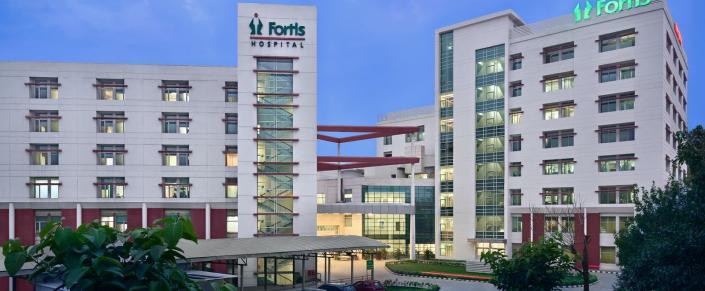
236 Bedded Hospital
12 OTs & 92 ICU Beds
24*7 Emergency facility
About the Department of Hematology & Bone Marrow Transplant

The Department of Haematology & Bone Marrow Transplantation at Fortis Hospitals, provides broad-ranging, integrated and patient-centric services for the diagnosis and management of all kinds of blood disorders in adults and children, including cancers of the blood. Backed by an extensive team of experienced haematologists, the Department strives to become the most sought-after centre for all blood-related disorders. The Department always remains at the forefront of existing methods and advancements in haematology services, making for a dynamic, efficient and self-reliant centre with a wide array of specialisations.

Our highly qualified multi-disciplinary team comprises adult haematologists and paediatric haemato-oncologists that offer treatment of complex blood disorders. Moreover, our constant quest to advance our knowledge and methods puts us at the extreme edge of what is possible, making for a dynamic team offering services of superlative clinical quality. We are proud of our highest standards of patient care, which lie at the heart of all our activities. Our supportive services are second to none, making our steadfast and highly specialized center a place of contentment for patients suffering from any kind of blood disorder.

Fortis Hospitals is the best hospital for Bone Marrow transplants in India. Our team of India's top transplant specialists has rich expertise in the complete range of bone marrow transplants (BMT) in all age groups. Our hematologists have pioneering experience in delicate BMTs. We have a dedicated organ transplant unit equipped with the latest technology in BMT.


Ready to experience world-class care for blood disorders? Contact us today to schedule a consultation with our expert team. Your journey towards optimal health starts here at Fortis Hospitals. 

Image

Why Choose Us

  • Collective experience of 1000+ bone marrow transplants
  • State-of-the-art hepa-filtered bone marrow transplant unit
  • A team of 6 doctors including adult and paediatric hemato-oncologist and BMT experts
  • 1:1 Nursing ratio that helps to provide the best in class care during the hospital stay
  • Dedicated team for infection control to control infections at all levels during the transplant
  • State-of-the-art in-house blood bank facility for regular support during the transplant
  • Inhouse chemotherapy and radiation therapy units are available
  • Best-in-class critical care unit, managed by the finest intensive care team
  • Comprehensive day care facility

Our Team of Experts

Medical Conditions Related To Bone Marrow Transplant

Our patient’s stories

FAQs

  • 1. What is a bone marrow transplant?
    A bone marrow transplant is a medical procedure that involves replacing a patient's damaged or diseased bone marrow with healthy bone marrow stem cells, which can help treat various conditions such as leukemia, lymphoma, and multiple myeloma.
  • 2. How is the bone marrow collected?
    The bone marrow can be collected through two main methods: a bone marrow aspiration, which involves removing a small amount of liquid bone marrow from the hipbone using a needle, or a peripheral blood stem cell transplant, which involves collecting stem cells from the bloodstream through a process called apheresis.
  • 3. Who can be a bone marrow donor?
    Generally, donors need to be in good health and between the ages of 18 and 44. The donor's blood and tissue type must also match the recipient's to reduce the risk of complications.
  • 4. Can family members donate bone marrow?
    Seeking a bone marrow donor within the family is the first option. A brother or sister is most likely to be a perfect match as a donor. This is called a matched sibling donor transplant. There’s a 1 in 4 chance of the bone marrow cells matching among siblings. One’s parents, own children, and other relatives can sometimes be good matches. Only about 30% of those who need a bone marrow transplant can find a matching donor in their own family.
  • 5. What are the risks associated with a bone marrow transplant?
    Some of the potential risks and side effects of a bone marrow transplant include infections, bleeding, graft-versus-host disease (GVHD), and organ damage. The risks can vary depending on the patient's age, overall health, and the specific type of transplant.
  • 6. How long does the recovery process take?
    The recovery process can vary depending on the patient's overall health and the specific type of transplant. Patients may experience a range of side effects and complications during the recovery period, and it may take several months or even years to fully recover.
  • 7. How effective is a bone marrow transplant?
    The success rate of a bone marrow transplant depends on several factors, including the patient's age, overall health, and the specific condition being treated. In general, bone marrow transplants have a high success rate for treating certain types of blood cancers and other blood disorders.
  • 8. How can one prepare for a bone marrow transplant?
    Patients can prepare for a bone marrow transplant by following their doctor's instructions, maintaining a healthy lifestyle, and managing any underlying medical conditions. Patients should also be prepared for a long recovery process and work closely with their healthcare team to manage any side effects or complications.
  • 9. What is the cut-off age (eligibility) for a bone marrow transplant?
    Bone marrow cell donors and recipients of all ages who meet strict health criteria are eligible for bone marrow transplants. This means both the donor and the recipient will undergo stringent tests to check for underlying risks and health issues that could restrict the treatment. While younger donors under the age of 65 years are preferred for BMT and recipients’ age can be extended upto 75 years if they are fit and without accompanying severe illness.
  • 10. How long can a person live after a bone marrow transplant?
    The encouraging news is that the risks or complications following bone marrow transplant are decreasing according to medical research. This is making it possible for more people to live longer after a successful BMT. The general estimated survival rate following BMT is 80%; this means that the person can live a healthy life for many years after a BMT. The success rate of BMT varies from person to person, depending on the stage and type of cancer, general health condition according to age, etc.
  • 11. Is bone marrow transplant painful?
    The transplant procedure is not painful because it is not surgery. In fact, it is similar to a blood transfusion. The bone marrow cells are infused into the vein directly through a thin catheter or intravenous tube. This process could take a couple of hours and the recipient is awake throughout.
  • 12. How long is recovery after bone marrow transplant?
    Recovery after a bone marrow transplant is gradual. It takes up to 2 weeks for the newly infused cells to reach the bone marrow to begin to make healthy new cells. This process is called engraftment. In some recipients, it could take longer. During this time the immunity system can be weak. To prevent infections or the risk of complications, doctors recommend hospitalization for a few weeks to around 90 days to monitor the progress. Even after being discharged from the hospital, the bone marrow transplant recipients will have to visit the hospital for routine follow-ups with the doctors to check the response to the transplant.
Form Fields
Fortis Healthcare Limited is a leading multi-specialty tertiary care hospital group that has played a pivotal role in transforming medical care in the region. It is one of the most trusted group of hospitals in the region with cutting-edge technology
236 Bedded Hospital
12 OTs & 92 ICU Beds
24*7 Emergency facility
About the Department of Hematology & Bone Marrow Transplant

The Department of Haematology & Bone Marrow Transplantation at Fortis Hospitals, provides broad-ranging, integrated and patient-centric services for the diagnosis and management of all kinds of blood disorders in adults and children, including cancers of the blood. Backed by an extensive team of experienced haematologists, the Department strives to become the most sought-after centre for all blood-related disorders. The Department always remains at the forefront of existing methods and advancements in haematology services, making for a dynamic, efficient and self-reliant centre with a wide array of specialisations.

Our highly qualified multi-disciplinary team comprises adult haematologists and paediatric haemato-oncologists that offer treatment of complex blood disorders. Moreover, our constant quest to advance our knowledge and methods puts us at the extreme edge of what is possible, making for a dynamic team offering services of superlative clinical quality. We are proud of our highest standards of patient care, which lie at the heart of all our activities. Our supportive services are second to none, making our steadfast and highly specialized center a place of contentment for patients suffering from any kind of blood disorder.

Fortis Hospitals is the best hospital for Bone Marrow transplants in India. Our team of India's top transplant specialists has rich expertise in the complete range of bone marrow transplants (BMT) in all age groups. Our hematologists have pioneering experience in delicate BMTs. We have a dedicated organ transplant unit equipped with the latest technology in BMT.


Ready to experience world-class care for blood disorders? Contact us today to schedule a consultation with our expert team. Your journey towards optimal health starts here at Fortis Hospitals. 

Image

Why Choose Us

  • Collective experience of 2000+ bone marrow transplants
  • State-of-the-art hepa-filtered bone marrow transplant unit
  • A team of 6 doctors including adult and paediatric hemato-oncologist and BMT experts
  • 1:1 Nursing ratio that helps to provide the best in class care during the hospital stay
  • Dedicated team for infection control to control infections at all levels during the transplant
  • State-of-the-art in-house blood bank facility for regular support during the transplant
  • Inhouse chemotherapy and radiation therapy units are available
  • Best-in-class critical care unit, managed by the finest intensive care team
  • Comprehensive day care facility

Medical Conditions Related To Bone Marrow Transplant

Our Team of Experts

Our patient’s stories

FAQs

  • 1. What is a bone marrow transplant?
    A bone marrow transplant is a medical procedure that involves replacing a patient's damaged or diseased bone marrow with healthy bone marrow stem cells, which can help treat various conditions such as leukemia, lymphoma, and multiple myeloma.
  • 2. How is the bone marrow collected?
    The bone marrow can be collected through two main methods: a bone marrow aspiration, which involves removing a small amount of liquid bone marrow from the hipbone using a needle, or a peripheral blood stem cell transplant, which involves collecting stem cells from the bloodstream through a process called apheresis.
  • 3. Who can be a bone marrow donor?
    Generally, donors need to be in good health and between the ages of 18 and 44. The donor's blood and tissue type must also match the recipient's to reduce the risk of complications.
  • 4. Can family members donate bone marrow?
    Seeking a bone marrow donor within the family is the first option. A brother or sister is most likely to be a perfect match as a donor. This is called a matched sibling donor transplant. There’s a 1 in 4 chance of the bone marrow cells matching among siblings. One’s parents, own children, and other relatives can sometimes be good matches. Only about 30% of those who need a bone marrow transplant can find a matching donor in their own family.
  • 5. What are the risks associated with a bone marrow transplant?
    Some of the potential risks and side effects of a bone marrow transplant include infections, bleeding, graft-versus-host disease (GVHD), and organ damage. The risks can vary depending on the patient's age, overall health, and the specific type of transplant.
  • 6. How long does the recovery process take?
    The recovery process can vary depending on the patient's overall health and the specific type of transplant. Patients may experience a range of side effects and complications during the recovery period, and it may take several months or even years to fully recover.
  • 7. How effective is a bone marrow transplant?
    The success rate of a bone marrow transplant depends on several factors, including the patient's age, overall health, and the specific condition being treated. In general, bone marrow transplants have a high success rate for treating certain types of blood cancers and other blood disorders.
  • 8. How can one prepare for a bone marrow transplant?
    Patients can prepare for a bone marrow transplant by following their doctor's instructions, maintaining a healthy lifestyle, and managing any underlying medical conditions. Patients should also be prepared for a long recovery process and work closely with their healthcare team to manage any side effects or complications.
  • 9. What is the cut-off age (eligibility) for a bone marrow transplant?
    Bone marrow cell donors and recipients of all ages who meet strict health criteria are eligible for bone marrow transplants. This means both the donor and the recipient will undergo stringent tests to check for underlying risks and health issues that could restrict the treatment. While younger donors under the age of 65 years are preferred for BMT and recipients’ age can be extended upto 75 years if they are fit and without accompanying severe illness.
  • 10. How long can a person live after a bone marrow transplant?
    The encouraging news is that the risks or complications following bone marrow transplant are decreasing according to medical research. This is making it possible for more people to live longer after a successful BMT. The general estimated survival rate following BMT is 80%; this means that the person can live a healthy life for many years after a BMT. The success rate of BMT varies from person to person, depending on the stage and type of cancer, general health condition according to age, etc.
  • 11. Is bone marrow transplant painful?
    The transplant procedure is not painful because it is not surgery. In fact, it is similar to a blood transfusion. The bone marrow cells are infused into the vein directly through a thin catheter or intravenous tube. This process could take a couple of hours and the recipient is awake throughout.
  • 12. How long is recovery after bone marrow transplant?
    Recovery after a bone marrow transplant is gradual. It takes up to 2 weeks for the newly infused cells to reach the bone marrow to begin to make healthy new cells. This process is called engraftment. In some recipients, it could take longer. During this time the immunity system can be weak. To prevent infections or the risk of complications, doctors recommend hospitalization for a few weeks to around 90 days to monitor the progress. Even after being discharged from the hospital, the bone marrow transplant recipients will have to visit the hospital for routine follow-ups with the doctors to check the response to the transplant.
Form Fields
Greffe de moelle osseuse pour la drépanocytose à Fortis Healthcare.

Le département d'hématologie, d'hémato-oncologie pédiatrique et de greffe de moelle osseuse de Fortis propose des installations de transplantation de moelle osseuse pour les patients atteints de drépanocytose. Notre équipe est en mesure d’offrir l’excellence dans les soins aux patients grâce à sa vaste expérience, son dévouement et ses connaissances approfondies sur le sujet.

Nous fournissons des soins de pointe pour les greffes de drépanocytose. Nous guérissons les patients atteints de drépanocytose venant du monde entier.

À Fortis Healthcare, nous avons la meilleure équipe qui traite les patients drépanocytaires. Nous disposons d'un centre dédié et personnalisé pour les patients drépanocytaires. Au fil des années, nous avons développé un centre doté d'une technologie de pointe, d'une équipe expérimentée de médecins et d'un personnel de soutien hautement qualifié. Nos résultats ont été grandement améliorés grâce à une pratique continue et à une mise à niveau technologique.

Why Choose Us

  • Service 24 heures sur 24
  • Plus de 37 ans d'expérience clinique
  • Services aux patients internationaux
  • Soins médicaux hautement avancés
  • Services d'ambulance et d'urgence bien équipés 24h/24 et 7j/7.
  • Une banque de sang interne ultramoderne pour un soutien régulier pendant la greffe
  • Des unités internes de chimiothérapie et de radiothérapie sont disponibles
  • La meilleure unité de soins intensifs de sa catégorie, gérée par la meilleure équipe de soins intens
  • Garderie complète

Our Team of Experts

Conditions médicales liées à la greffe de moelle osseuse

Our patient’s stories

Find us

FAQs

  • Quel est l’âge limite (éligibilité) pour une greffe de moelle osseuse?
    Les donneurs de cellules de moelle osseuse et les receveurs de tout âge qui répondent à des critères de santé stricts sont éligibles à une greffe de moelle osseuse. Cela signifie que le donneur et le patient qui doit recevoir les cellules de moelle osseuse du donneur seront soumis à des tests rigoureux pour vérifier les risques sous-jacents et les problèmes de santé, qui pourraient restreindre le traitement. Alors que les donneurs plus jeunes de moins de 65 ans sont préférés pour une greffe de moelle osseuse, l'âge des receveurs de greffe peut être prolongé jusqu'à 75 ans, s'ils sont par ailleurs en bonne santé et sans maladie grave associée.
  • La leucémie peut-elle être guérie après une greffe de moelle osseuse?
    Il existe quatre types courants de leucémie. Parmi celles-ci, la leucémie aiguë est la forme hautement curable de leucémie adulte. Ceci est attribué aux progrès réalisés dans le diagnostic et le traitement de haute précision de ce type de cancer du sang. Des taux de guérison de 80 à 90% après une greffe de moelle osseuse ont été signalés dans des centres spécialisés dans le traitement de la leucémie aiguë, notamment l'hôpital Fortis de Mumbai, en Inde.
  • Quels membres de la famille peuvent donner de la moelle osseuse?
    La première option est de rechercher un donneur de moelle osseuse au sein de la famille. Un frère ou une sœur est plus susceptible d’être un partenaire idéal en tant que donneur. C’est ce qu’on appelle une greffe d’un frère ou d’une sœur compatible. Il y a une chance sur quatre que les cellules de la moelle osseuse correspondent entre les frères et sœurs. Les parents, les propres enfants et d'autres membres de la famille peuvent parfois constituer de bons partenaires. Seulement environ 30 % de ceux qui ont besoin d’une greffe de moelle osseuse peuvent trouver un donneur compatible dans leur propre famille.
  • La greffe de moelle osseuse est-elle douloureuse?
    La procédure de greffe n’est pas douloureuse car il ne s’agit pas d’une intervention chirurgicale. En fait, cela s’apparente à une transfusion sanguine. Les cellules de la moelle osseuse sont infusées dans la veine directement via un fin cathéter ou un tube intraveineux. Ce processus peut prendre quelques heures et le destinataire reste éveillé pendant toute la durée.
  • Peut-on marcher après une greffe de moelle osseuse?
    La récupération après une greffe de moelle osseuse est progressive, mais la plupart des patients peuvent marcher tout au long de la période de transplantation, à l'exception de quelques jours où leur numération globulaire est faible. Cela peut prendre plusieurs semaines pour que les nouvelles cellules de la moelle osseuse qui ont été infusées dans le sang se déplacent vers la moelle osseuse pour y être transformées en nouvelles cellules saines. Dans certains cas, cela pourrait prendre plus de temps. C'est pourquoi les médecins surveilleront de près les receveurs pour suivre leurs progrès. En fonction du type de greffe et des risques de complications, les médecins peuvent recommander des formes d'exer…
  • Combien de temps dure la récupération après une greffe de moelle osseuse?
    La récupération après une greffe de moelle osseuse est progressive. Il faut jusqu'à 2 semaines pour que les cellules nouvellement infusées atteignent la moelle osseuse et commencent à produire de nouvelles cellules saines. Ce processus est appelé prise de greffe. Chez certains destinataires, cela peut prendre plus de temps. Pendant cette période, le système immunitaire peut être faible. Pour prévenir les infections ou les risques de complications, les médecins recommandent une hospitalisation de quelques semaines à environ 90 jours pour suivre l’évolution. Même après leur sortie de l'hôpital, les receveurs de greffe de moelle osseuse devront se rendre à l'hôpital pour un suivi de routine avec les médecins afin de vérifier la réponse à la greffe.

  • Quelle est l’efficacité d’une greffe de moelle osseuse?
    Le taux de réussite d'une greffe de moelle osseuse dépend de plusieurs facteurs, notamment l'âge du patient, son état de santé général et l'affection spécifique traitée. En général, les greffes de moelle osseuse ont un taux de réussite élevé pour traiter certains types de cancers du sang et d’autres troubles sanguins.
  • Comment se préparer à une greffe de moelle osseuse?
    Les patients peuvent se préparer à une greffe de moelle osseuse en suivant les instructions de leur médecin, en maintenant un mode de vie sain et en gérant toute condition médicale sous-jacente. Les patients doivent également se préparer à un long processus de rétablissement et travailler en étroite collaboration avec leur équipe de soins pour gérer tout effet secondaire ou complication.
  • Quel est l’âge limite (éligibilité) pour une greffe de moelle osseuse?
    Les donneurs de cellules de moelle osseuse et les receveurs de tous âges qui répondent à des critères de santé stricts sont éligibles aux greffes de moelle osseuse. Cela signifie que le donneur et le receveur seront soumis à des tests rigoureux pour vérifier les risques sous-jacents et les problèmes de santé qui pourraient restreindre le traitement. Alors que les donneurs plus jeunes de moins de 65 ans sont préférés pour le BMT et que l’âge des receveurs peut être prolongé jusqu’à 75 ans s’ils sont en bonne santé et sans maladie grave associée.
  • Combien de temps une personne peut-elle vivre après une greffe de moelle osseuse?
    La nouvelle encourageante est que les risques ou les complications suite à une greffe de moelle osseuse diminuent selon la recherche médicale. Cela permet à davantage de personnes de vivre plus longtemps après un BMT réussi. Le taux de survie général estimé après BMT est de 80 % ; cela signifie que la personne peut vivre une vie saine pendant de nombreuses années après un BMT. Le taux de réussite du BMT varie d'une personne à l'autre, selon le stade et le type de cancer, l'état de santé général selon l'âge, etc.
  • La greffe de moelle osseuse est-elle douloureuse?
    La procédure de transplantation n’est pas douloureuse car il ne s’agit pas d’une intervention chirurgicale. En fait, cela s’apparente à une transfusion sanguine. Les cellules de la moelle osseuse sont infusées dans la veine directement via un fin cathéter ou un tube intraveineux. Ce processus peut prendre quelques heures et le destinataire reste éveillé pendant toute la durée.
  • Combien de temps dure la récupération après une greffe de moelle osseuse ?
    La récupération après une greffe de moelle osseuse est progressive. Il faut jusqu'à 2 semaines pour que les cellules nouvellement infusées atteignent la moelle osseuse et commencent à produire de nouvelles cellules saines. Ce processus est appelé prise de greffe. Chez certains destinataires, cela peut prendre plus de temps. Pendant cette période, le système immunitaire peut être faible. Pour prévenir les infections ou les risques de complications, les médecins recommandent une hospitalisation de quelques semaines à environ 90 jours pour suivre l’évolution. Même après leur sortie de l'hôpital, les receveurs de greffe de moelle osseuse devront se rendre à l'hôpital pour un suivi de routine avec les médecins afin de vérifier la réponse à la greffe.
Form Fields
Fortis Healthcare Limited is a leading multi-specialty tertiary care hospital group that has played a pivotal role in transforming medical care in the region. It is one of the most trusted group of hospitals in the region with cutting-edge technology an
236 Bedded Hospital
12 OTs & 92 ICU Beds
24*7 Emergency facility
About the Department of Hematology & Bone Marrow Transplant

The Department of Haematology & Bone Marrow Transplantation at Fortis Hospitals, provides broad-ranging, integrated and patient-centric services for the diagnosis and management of all kinds of blood disorders in adults and children, including cancers of the blood. Backed by an extensive team of experienced haematologists, the Department strives to become the most sought-after centre for all blood-related disorders. The Department always remains at the forefront of existing methods and advancements in haematology services, making for a dynamic, efficient and self-reliant centre with a wide array of specialisations.

Our highly qualified multi-disciplinary team comprises adult haematologists and paediatric haemato-oncologists that offer treatment of complex blood disorders. Moreover, our constant quest to advance our knowledge and methods puts us at the extreme edge of what is possible, making for a dynamic team offering services of superlative clinical quality. We are proud of our highest standards of patient care, which lie at the heart of all our activities. Our supportive services are second to none, making our steadfast and highly specialized center a place of contentment for patients suffering from any kind of blood disorder.

Fortis Hospitals is the best hospital for Bone Marrow transplants in India. Our team of India's top transplant specialists has rich expertise in the complete range of bone marrow transplants (BMT) in all age groups. Our hematologists have pioneering experience in delicate BMTs. We have a dedicated organ transplant unit equipped with the latest technology in BMT.


Ready to experience world-class care for blood disorders? Contact us today to schedule a consultation with our expert team. Your journey towards optimal health starts here at Fortis Hospitals. 

Image

Why Choose Us

  • Collective experience of 2000+ bone marrow transplants
  • State-of-the-art hepa-filtered bone marrow transplant unit
  • A team of 6 doctors including adult and paediatric hemato-oncologist and BMT experts
  • 1:1 Nursing ratio that helps to provide the best in class care during the hospital stay
  • Dedicated team for infection control to control infections at all levels during the transplant
  • State-of-the-art in-house blood bank facility for regular support during the transplant
  • Inhouse chemotherapy and radiation therapy units are available
  • Best-in-class critical care unit, managed by the finest intensive care team
  • Comprehensive day care facility

  • Blood tumor treatment in india

Medical Conditions Related To Bone Marrow Transplant

Our Team of Experts

Our patient’s stories

FAQs

  • 1. What is a bone marrow transplant?
    A bone marrow transplant is a medical procedure that involves replacing a patient's damaged or diseased bone marrow with healthy bone marrow stem cells, which can help treat various conditions such as leukemia, lymphoma, and multiple myeloma.
  • 2. How is the bone marrow collected?
    The bone marrow can be collected through two main methods: a bone marrow aspiration, which involves removing a small amount of liquid bone marrow from the hipbone using a needle, or a peripheral blood stem cell transplant, which involves collecting stem cells from the bloodstream through a process called apheresis.
  • 3. Who can be a bone marrow donor?
    Generally, donors need to be in good health and between the ages of 18 and 44. The donor's blood and tissue type must also match the recipient's to reduce the risk of complications.
  • 4. Can family members donate bone marrow?
    Seeking a bone marrow donor within the family is the first option. A brother or sister is most likely to be a perfect match as a donor. This is called a matched sibling donor transplant. There’s a 1 in 4 chance of the bone marrow cells matching among siblings. One’s parents, own children, and other relatives can sometimes be good matches. Only about 30% of those who need a bone marrow transplant can find a matching donor in their own family.
  • 5. What are the risks associated with a bone marrow transplant?
    Some of the potential risks and side effects of a bone marrow transplant include infections, bleeding, graft-versus-host disease (GVHD), and organ damage. The risks can vary depending on the patient's age, overall health, and the specific type of transplant.
  • 6. How long does the recovery process take?
    The recovery process can vary depending on the patient's overall health and the specific type of transplant. Patients may experience a range of side effects and complications during the recovery period, and it may take several months or even years to fully recover.
  • 7. How effective is a bone marrow transplant?
    The success rate of a bone marrow transplant depends on several factors, including the patient's age, overall health, and the specific condition being treated. In general, bone marrow transplants have a high success rate for treating certain types of blood cancers and other blood disorders.
  • 8. How can one prepare for a bone marrow transplant?
    Patients can prepare for a bone marrow transplant by following their doctor's instructions, maintaining a healthy lifestyle, and managing any underlying medical conditions. Patients should also be prepared for a long recovery process and work closely with their healthcare team to manage any side effects or complications.
  • 9. What is the cut-off age (eligibility) for a bone marrow transplant?
    Bone marrow cell donors and recipients of all ages who meet strict health criteria are eligible for bone marrow transplants. This means both the donor and the recipient will undergo stringent tests to check for underlying risks and health issues that could restrict the treatment. While younger donors under the age of 65 years are preferred for BMT and recipients’ age can be extended upto 75 years if they are fit and without accompanying severe illness.
  • 10. How long can a person live after a bone marrow transplant?
    The encouraging news is that the risks or complications following bone marrow transplant are decreasing according to medical research. This is making it possible for more people to live longer after a successful BMT. The general estimated survival rate following BMT is 80%; this means that the person can live a healthy life for many years after a BMT. The success rate of BMT varies from person to person, depending on the stage and type of cancer, general health condition according to age, etc.
  • 11. Is bone marrow transplant painful?
    The transplant procedure is not painful because it is not surgery. In fact, it is similar to a blood transfusion. The bone marrow cells are infused into the vein directly through a thin catheter or intravenous tube. This process could take a couple of hours and the recipient is awake throughout.
  • 12. How long is recovery after bone marrow transplant?
    Recovery after a bone marrow transplant is gradual. It takes up to 2 weeks for the newly infused cells to reach the bone marrow to begin to make healthy new cells. This process is called engraftment. In some recipients, it could take longer. During this time the immunity system can be weak. To prevent infections or the risk of complications, doctors recommend hospitalization for a few weeks to around 90 days to monitor the progress. Even after being discharged from the hospital, the bone marrow transplant recipients will have to visit the hospital for routine follow-ups with the doctors to check the response to the transplant.
Form Fields

Fortis Hospital, Noida

Fortis Hospital, Noida is a leading multi-specialty tertiary care hospital that has played a pivotal role in transforming medical healthcare infrastructure in the NCR region. It is one of the oldest & most trusted hospitals in Noida.
236 Bedded Hospital
12 OTs & 92 ICU Beds
24*7 Emergency facility
About the Department of Hematology & Bone Marrow Transplant
The Department of Haematology & Bone Marrow Transplantation at Fortis Hospital, Noida provides broad-ranging, integrated and patient-centric services for the diagnosis and management of all kinds of blood disorders in adults and children, including cancers of the blood. Backed by an extensive team of experienced haematologists, the Department strives to become the most sought-after centre for all blood-related disorders. The Department always remains at the forefront of existing methods and advancements in haematology services, making for a dynamic, efficient and self-reliant centre with a wide array of specialisations.

Our highly qualified multi-disciplinary team comprises adult haematologists and paediatric haemato-oncologists that offer treatment of complex blood disorders. Moreover, our constant quest to advance our knowledge and methods puts us at the extreme edge of what is possible, making for a dynamic team offering services of superlative clinical quality. We are proud of our highest standards of patient care, which lie at the heart of all our activities. Our supportive services are second to none, making our steadfast and highly specialized center a place of contentment for patients suffering from any kind of blood disorder.

Fortis Hospital Noida is the best hospital for Bone Marrow transplants in India. Our team of India's top transplant specialists has rich expertise in the complete range of bone marrow transplants (BMT) in all age groups. Our hematologists have pioneering experience in delicate BMTs. We have a dedicated organ transplant unit equipped with the latest technology in BMT.
Image

Why Choose Us

  • Collective experience of 1000+ bone marrow transplants
  • State-of-the-art hepa-filtered bone marrow transplant unit
  • A team of 6 doctors including adult and paediatric hemato-oncologist and BMT experts
  • 1:1 Nursing ratio that helps to provide the best in class care during the hospital stay
  • Dedicated team for infection control to control infections at all levels during the transplant
  • State-of-the-art in-house blood bank facility for regular support during the transplant
  • Inhouse chemotherapy and radiation therapy units are available
  • Best-in-class critical care unit, managed by the finest intensive care team
  • Comprehensive day care facility

Medical Conditions Related To Bone Marrow Transplant

Our Team of Experts

FAQs

  • 1. What is a bone marrow transplant?
    A bone marrow transplant is a medical procedure that involves replacing a patient's damaged or diseased bone marrow with healthy bone marrow stem cells, which can help treat various conditions such as leukemia, lymphoma, and multiple myeloma.
  • 2. How is the bone marrow collected?
    The bone marrow can be collected through two main methods: a bone marrow aspiration, which involves removing a small amount of liquid bone marrow from the hipbone using a needle, or a peripheral blood stem cell transplant, which involves collecting stem cells from the bloodstream through a process called apheresis.
  • 3. Who can be a bone marrow donor?
    Generally, donors need to be in good health and between the ages of 18 and 44. The donor's blood and tissue type must also match the recipient's to reduce the risk of complications.
  • 4. Can family members donate bone marrow?
    Seeking a bone marrow donor within the family is the first option. A brother or sister is most likely to be a perfect match as a donor. This is called a matched sibling donor transplant. There’s a 1 in 4 chance of the bone marrow cells matching among siblings. One’s parents, own children, and other relatives can sometimes be good matches. Only about 30% of those who need a bone marrow transplant can find a matching donor in their own family.
  • 5. What are the risks associated with a bone marrow transplant?
    Some of the potential risks and side effects of a bone marrow transplant include infections, bleeding, graft-versus-host disease (GVHD), and organ damage. The risks can vary depending on the patient's age, overall health, and the specific type of transplant.
  • 6. How long does the recovery process take?
    The recovery process can vary depending on the patient's overall health and the specific type of transplant. Patients may experience a range of side effects and complications during the recovery period, and it may take several months or even years to fully recover.
  • 7. How effective is a bone marrow transplant?
    The success rate of a bone marrow transplant depends on several factors, including the patient's age, overall health, and the specific condition being treated. In general, bone marrow transplants have a high success rate for treating certain types of blood cancers and other blood disorders.
  • 8. How can one prepare for a bone marrow transplant?
    Patients can prepare for a bone marrow transplant by following their doctor's instructions, maintaining a healthy lifestyle, and managing any underlying medical conditions. Patients should also be prepared for a long recovery process and work closely with their healthcare team to manage any side effects or complications.
  • 9. What is the cut-off age (eligibility) for a bone marrow transplant?
    Bone marrow cell donors and recipients of all ages who meet strict health criteria are eligible for bone marrow transplants. This means both the donor and the recipient will undergo stringent tests to check for underlying risks and health issues that could restrict the treatment. While younger donors under the age of 65 years are preferred for BMT and recipients’ age can be extended upto 75 years if they are fit and without accompanying severe illness.
  • 10. How long can a person live after a bone marrow transplant?
    The encouraging news is that the risks or complications following bone marrow transplant are decreasing according to medical research. This is making it possible for more people to live longer after a successful BMT. The general estimated survival rate following BMT is 80%; this means that the person can live a healthy life for many years after a BMT. The success rate of BMT varies from person to person, depending on the stage and type of cancer, general health condition according to age, etc.
  • 11. Is bone marrow transplant painful?
    The transplant procedure is not painful because it is not surgery. In fact, it is similar to a blood transfusion. The bone marrow cells are infused into the vein directly through a thin catheter or intravenous tube. This process could take a couple of hours and the recipient is awake throughout.
  • 12. How long is recovery after bone marrow transplant?
    Recovery after a bone marrow transplant is gradual. It takes up to 2 weeks for the newly infused cells to reach the bone marrow to begin to make healthy new cells. This process is called engraftment. In some recipients, it could take longer. During this time the immunity system can be weak. To prevent infections or the risk of complications, doctors recommend hospitalization for a few weeks to around 90 days to monitor the progress. Even after being discharged from the hospital, the bone marrow transplant recipients will have to visit the hospital for routine follow-ups with the doctors to check the response to the transplant.
Form Fields

Fortis Hospital, Noida

Advanced digestive care led by experienced gastroenterologists, offering precise diagnosis and minimally invasive treatment for all gastrointestinal and liver disorders.
400+ Bedded Hospital
18 Modular OTs & 140+ ICU Beds
24*7 Emergency Facility
About The Department of Gastroenterology, Fortis Hospital, Noida

Fortis Hospital, Noida is a leading centre for the diagnosis and treatment of digestive and liver disorders. Backed by a team of highly experienced gastroenterologists, hepatologists, and a dedicated GI nursing team, we provide world-class care using the latest diagnostic and therapeutic techniques.

With advanced endoscopy suites, minimally invasive procedures, and a multidisciplinary approach, we manage both common and complex gastrointestinal (GI) and hepatic conditions. Whether it’s acid reflux, IBS, hepatitis, or liver cirrhosis, our department is committed to personalized care, improved outcomes, and long-term digestive health.


Our Key Procedures

• Upper GI Endoscopy – For diagnosing ulcers, GERD, and cancers
• Colonoscopy – For colon cancer screening and evaluation of bowel disorders
• ERCP – For treatment of bile duct and pancreatic duct conditions
• Endoscopic Ultrasound (EUS) – High-resolution imaging for GI and pancreatic diseases
• Liver Biopsy & FibroScan – For evaluating liver disease severity
• Polypectomy – Removal of polyps to prevent colorectal cancer

Image

Why Choose Us

  • Highly skilled and experienced gastroenterologists and hepatologists
  • Dedicated suite for GI procedures (Endoscopy, Colonoscopy and ERCP)
  • Referral center for ERCP, Endoscopic Ultrasound and other GI procedures
  • Emergency Endoscopy services available round the clock
  • Minimally invasive endoscopic procedures, ensuring precise diagnosis and effective treatments

Medical Conditions Related to Gastroenterology

Our Team of Experts

Find us

FAQs

  • 1. What symptoms indicate I should see a gastroenterologist?
    Persistent abdominal pain, bloating, diarrhoea, constipation, nausea, vomiting, blood in stool, or if you have a family history of GI conditions. Screening is also recommended if you're over 50.
  • 2. How do I prepare for an endoscopy or colonoscopy?
    You'll be given specific instructions, including dietary restrictions and fasting. Our team ensures you're well-prepared and comfortable.
  • 3. Are gastrointestinal procedures painful?
    Most are minimally invasive and performed under sedation or anaesthesia to ensure comfort. Recovery is usually quick.
  • 4. What are the common diagnostic tests used?
    These include blood tests, stool tests, imaging (ultrasound, CT), breath tests, endoscopy, and colonoscopy.
  • 5. What lifestyle changes might be recommended?
    Depending on the condition, changes may include a high-fibre diet, avoiding trigger foods, reducing alcohol and caffeine, quitting smoking, and managing stress.
Form Fields

Intimation regarding Change in Directors - March 28, 2023

Fortis Hospital Anandapur, Kolkata

Leading Multispecialty Hospital in Eastern India
230+ Operational Beds
10 OTs
70+ ICUs
Best Gastro Care Hospital in Eastern India
Our Gastroenterology and Hepatobiliary Sciences is the medical division in healthcare that has some of the top gastroenterologists in Kolkata working to prevent, diagnose and treat disorders of and related to the digestive tract and liver. These diseases or disorders mainly involve the pancreas, liver, gallbladder, oesophagus, stomach, small intestine and colon. If you are searching for ‘gastroenterologist near me’ you are absolutely in the correct place.

DEPARTMENT: The Department of Gastroenterology and Hepatobiliary Sciences in Fortis Kolkata is recognised as an advanced gastroenterology hospital in Kolkata striving for the prevention, diagnosis and treatment of diseases related to digestive tract and liver. The department has a dedicated team of gastroenterologists, hepatologists and some of the best gastroenterologist in kolkata, who are assisted by a steadfast team of qualified nurses and experienced medical technologists. The team’s aim is to provide personalised, specialised, cost-effective and exemplary care to patients. The department provides holistic healthcare for the digestive system, gallbladder, stomach, small intestine, liver pancreas, biliary tract and colon. The blend of the improved sub-speciality expertise with a focus on prompt diagnosis and quality of care is priority in the department. The team’s strength also lies in being proficient in various notable domains like viral hepatitis, liver cancer, functional bowel disease, and therapeutic endoscopy.
Image

Why Choose Us

  • 24hrs Emergency Services
  • Best in Class Medical Equipments
  • 200+ Experienced Doctors Backed by Highly Skilled Paramedics
  • Serving 25+Medical Specialties
  • International Patients Services

Best Gastro Care Hospital in Eastern India

Our Team of Experts

Form Fields

Fortis Hospital Anandapur, Kolkata

Leading Multispecialty Hospital in Eastern India
230+ Operational Beds
10 OTs
70+ ICU Beds
Best Brain & Spine Care Hospital in Eastern India
The department of Neurosurgery is concerned with the prevention, diagnosis, treatment, and rehabilitation of disorders that affect the Brain, Spine and Peripheral Nerves. Its range of services includes Brain surgeries which vary from intracranial tumors, skull base surgery, pediatric surgery, epilepsy surgery, endoscopic surgery to hydrocephalus surgery. Amongst the spine surgeries; cervical and lumbar disc surgeries, degenerative spine surgeries, surgeries for spine tumors, spinal injuries and fractures and image-guided and keyhole surgeries are being performed.

Fortis Hospitals, Kolkata Neurosciences (Neurology & Neurosurgery) Department offers comprehensive care for the diagnosis, treatment and rehabilitation of people with neurological disorders. With our wide-ranging services for neurological ailments, we are regarded as the best Neurology and Spine Hospital in Kolkata. We are the leading hospital in the city providing a 24-hour stroke management program and minimally invasive spine surgery. We have some of the best spine surgeons in Kolkata. Patients coming with spine-related problems are back on their feet within no time. The safety of the surgery is able to ensure better quality of life for the geriatric age-groups. We provide an epilepsy program focused at all touchpoints from awareness to recovery extending to epilepsy surgery; post-treatment support groups and a robust psycho-social rehabilitation makes it an end-to-end offering accessible to patients.

Fortis utilizes an evidence-based approach in patient care and hence our clinical outcomes are at par with International protocols and quality standards. We house some of the best spine specialist in Kolkata. The hospital is therefore able to achieve favorable outcomes for reversing stroke damage in all cases where the patient arrives within the golden hour. This is also made feasible through continuous training designed to upgrade skills of our clinical and support team.
Image

Why Choose Us

  • 24hrs Emergency Services
  • Best in Class Medical Equipments
  • 200+ Experienced Doctors Backed by Highly Skilled Paramedics
  • Serving 25+Medical Specialties
  • International Patients Services

Best Neuro and Spine Care Hospital in Eastern India

Our Team of Experts

Form Fields

Fortis Hospital, Noida

Expert neurological diagnosis and treatment for stroke, epilepsy, and complex brain disorders—delivered with precision and compassionate care.
400+ Bedded Hospital
18 Modular OTs & 140+ ICU Beds
24*7 Emergency facility
About The Department of Neurology, Fortis Hospital, Noida

Fortis Hospital, Noida is a super-speciality centre dedicated to the prevention, diagnosis, treatment, and rehabilitation of brain, nerve, muscle, and movement disorders. The Department of Neurology offers state-of-the-art diagnostics like EEG, Video EEG, NCV, EMG, and SSEP, and provides comprehensive care for a wide range of neurological conditions.

With a dedicated stroke program, cutting-edge therapies, and a highly experienced team, Fortis Noida has also been awarded the Best Hospital for Brain Stroke Management in North India by the World Stroke Organisation.


Our Key Services

  • Stroke Thrombolysis for acute stroke
  • Advanced therapy for movement disorders
  • Comprehensive stroke and neuro rehabilitation
  • State-of-the-art neurodiagnostics: EEG, Video EEG, NCV, EMG, SSEP
  • Medication, pain management, and cognitive therapies
  • Supportive therapies like speech, physical, and occupational therapy
Image

Why Choose Us

  • 25+ years of experienced team of neurologists and neurosurgeon
  • Neuro ICU for critical care
  • State-of-the-art operation theatres
  • Advanced neurological diagnostics – MRI, CT Scans, EEG, EMG, NCV
  • Stroke Rehabilitation Programs

Medical Conditions Related To Neurology

Our Team of Experts

Find us

FAQs

  • 1. Who is a Neurologist?
    A neurologist is a doctor who specializes in diagnosing and treating conditions affecting the nervous system, including the brain, spinal cord, nerves, and muscles.
  • 2. How can I book an appointment with a neurologist at Fortis Hospital Noida?
    You can book an appointment by: - Calling our hospital’s appointment line at 84477 17722 - By downloading our MyFortis App
  • 3. What kind of problems does a neurologist treat?
    Common conditions include: Headaches, Migraine, Epilepsy, Stroke, Parkinson’s disease, Alzheimer’s, Sleep disorders, Vertigo, Muscular Dystrophy, Spinal Cord Injury, Head Injury, etc.
  • 4. What treatments are available for neurological disorders?
    Our treatment options are tailored to each patient and may include: • Medications (seizures, pain, MS, etc.) • Physical therapy & rehabilitation • Minimally invasive and neurosurgical procedures • Pain management (nerve blocks, spinal stimulation) • Speech & cognitive therapies
  • 5. Do you offer rehabilitation services for neurological disorders?
    Yes. We offer: • Physical therapy • Occupational therapy • Speech and cognitive therapy • Psychological support
  • 6. How is a stroke treated at Fortis Hospital Noida?
    At Fortis Hospital Noida, we offer rapid diagnosis and treatment for stroke, which may include: • Thrombolysis (clot-busting drugs) • Endovascular therapy (minimally invasive) • Full rehabilitation: physical, occupational, and speech therapy
  • 7. How do I know if I or someone I know is having a stroke?
    Look for these signs: • Face drooping • Arm weakness • Speech difficulty Call emergency services immediately if any of these symptoms are present
Form Fields
Subscribe to Request callback International Request callback Get an Estimate