Fortis Hospital Mohali – Your Trusted Multispeciality Hospital in Mohali | Tricity

Fortis Hospital Mohali is one of the region’s most trusted centres for advanced medical care. Serving patients from Tricity and several states like Punjab, himachal, haryana and Jammu & Kashmir and neighbouring states, the hospital combines world-class technology, accredited safety standards and an experienced team of specialists.
With a strong reputation in emergency care, diagnostics and specialised treatment, Fortis has become the preferred choice for families across North India.

Comprehensive Specialist Care Under One Roof

From routine check-ups to highly specialised treatments, patients can access expert guidance across multiple departments—skin and hair health, ear–nose–throat care, diabetes and hormonal disorders, lung diseases, arthritis and autoimmune care, mental health, fertility, paediatrics and general medicine.
All services are supported by modern diagnostics, digital appointment systems, and experienced consultants who focus on personalised and evidence-based care.

Dermatology & Skin Health

Personalised Skin and Hair Treatment

Our dermatology team manages everyday skin concerns—acne, pigmentation, rashes, infections—as well as advanced hair and scalp problems. The department is equipped to provide both clinical and cosmetic solutions, with options for in-person consultations and online follow-up sessions for added convenience.

ENT (Ear, Nose & Throat) Services

Complete Care for Sinus, Ear and Throat Problems

ENT specialists at Fortis Mohali offer comprehensive care for sinus infections, allergies, tonsil issues, hearing difficulties and voice-related conditions. Minimally invasive procedures, including endoscopic sinus surgery, are performed with precision for quicker recovery and better outcomes.

Diabetes, Thyroid & Endocrine Care

Expert Management of Metabolic and Hormonal Disorders

The diabetology and endocrinology team supports patients with diabetes, thyroid imbalances, PCOS, lifestyle-related conditions and hormonal disturbances. Treatment plans are tailored to each individual, combining medical therapy, diet counselling and ongoing monitoring to ensure long-term stability.

Rheumatology & Joint Pain Treatment

Care for Arthritis and Autoimmune Disorders

People dealing with persistent joint pain, early arthritis, swelling or autoimmune issues can rely on our rheumatology experts for comprehensive evaluation. The department offers accurate diagnosis and long-term management plans designed to preserve mobility and improve daily comfort.

Pulmonology & Lung Health

Advanced Care for Breathing and Lung Conditions

Our pulmonology department manages asthma, chronic bronchitis, COPD, allergies, sleep apnea and lung infections. With capabilities for bronchoscopy, lung function testing and sleep studies, the team provides accurate assessment and timely treatment for both acute and chronic conditions.

General Medicine & Primary Care

Everyday Health Concerns Managed With Expertise

For fever, infections, seasonal illnesses, headaches, stomach issues or routine preventive care, the general medicine specialists provide reliable, patient-centric guidance. Many families prefer Fortis for regular health check-ups and ongoing medical follow-ups.

Mental Health & Psychological Support

Confidential and Compassionate Care

Our psychiatry and psychology services offer safe spaces for individuals dealing with stress, anxiety, depression, sleep disturbances and emotional wellness issues. Sessions are available both in person and online, depending on comfort and requirement.

Robotic & Minimally Invasive Surgery

Precision Surgery With Faster Recovery

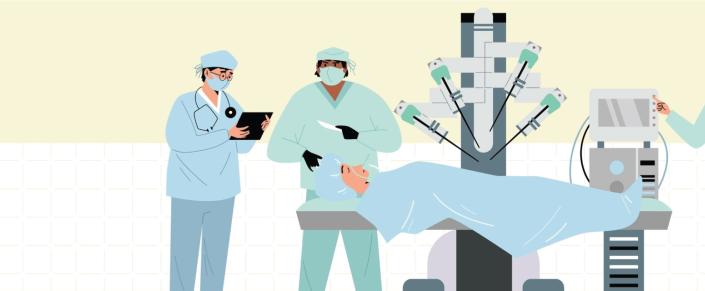
Fortis Mohali is one of the region’s leading centres for robotic surgery, offering advanced, minimally invasive procedures for urological, gastrointestinal, and gynaecological conditions. The technology allows for greater precision, smaller incisions and quicker return to normal activities.

24×7 Emergency & Critical Care

Immediate Care When Every Second Counts

The emergency department is equipped to handle trauma, cardiac conditions, respiratory distress, accidents and urgent medical needs at any hour. With rapid response protocols and critical care specialists available round the clock, patients receive timely and life-saving treatment.

Why Families Across Tricity Choose Fortis Mohali

Excellence Built on Trust

  • Internationally accredited safety standards

  • Expert doctors across all major specialities

  • Modern diagnostic and surgical technology

  • Online and in-person consultation options

  • 24×7 emergency, ICU and critical care

  • Centrally located and easily accessible for patients across the Tricity

Find us
Form Fields
Liver Transplant Department At Fortis Hospitals, India
Liver transplant or hepatic transplant is the replacement of a diseased liver with some or all of a healthy liver from another person(allograft). The liver is made up of many cells are destroyed, the liver loses much of its function. While the liver is able to grow again, if too much of it liver is destroyed by disease, a new liver will be needed.

Why Choose Us

  • Experienced doctors backed by highly skilled paramedics
  • More than 37 year of clinical experience
  • Best in class medical services
  • Highly Advanced Medical Care
  • 24*7 well equipped Ambulance and Emergency Services
  • Continued follow-up and long-term care for optimal liver transplant outcomes.

Our Team of Experts

Our patient’s stories

FAQs

  • Who needs a liver transplant?
    Liver transplantation is recommended for individuals with end-stage liver disease, liver failure, or certain liver cancers.
  • What is a liver transplant?
    A liver transplant is a surgical procedure that involves replacing a diseased or damaged liver with a healthy liver from a donor.
  • How does the liver transplant process work?
    The process involves evaluation of the patient's condition, matching with a suitable donor, the transplant surgery itself, and post-operative care and monitoring.
  • How long does it take to recover from a liver transplant?
    The recovery time varies for each patient, but typically it takes several months to a year to fully recover from a liver transplant.
Form Fields
500+ Hospital Beds
100+ ICU Beds (PICU & NICU)
Painless Procedure
Kidney Transplant Department At Fortis Hospitals, India
We at Fortis Hospital, offer comprehensive treatment for various nephrological conditions. We incorporate the latest advancements of the medical field to offer highest clinical governance standards and patients-centric care.


Kidney transplant is one of the major surgical procedures performed when the kidneys fail to function properly and are almost at an end-stage. In this procedure, the kidney of the patient is removed and replaced by the healthy kidney of a deceased or a living donor. The team of kidney transplant is highly skilled in replacing one or both the kidneys very efficiently, depending on the need and the problem of the patient. The transplant team also analyses, integrates and addresses the health needs of the patients and their family members.

The transplant department endeavors to render outstanding patient care, education programs and conduct advanced research. The surgeons employ innovative and highly advanced technologies to treat the patients successfully with diseases like kidney failure which can occur due to various reasons such as very High blood pressure, polycystic kidney disease, uncontrolled diabetes mellitus, glomerulonephritis and severe anatomical problems of the urinary tract.

Why Choose Us

  • Highly experienced and skilled team of kidney transplant surgeons
  • More than 37 year of clinical experience
  • Advanced diagnostic tools and technology for accurate evaluation and monitoring
  • Comprehensive pre-transplant evaluation and personalized treatment plans
  • 24*7 well equipped Ambulance and Emergency Services
  • Collaborative multidisciplinary approach involving nephrologists, urologists, and other specialists
  • Dedicated transplant coordinators for seamless coordination and support

Our Team of Experts

FORTIS HEALTHCARE

Our patient’s stories

FAQs

  • What is a kidney transplant?
    A kidney transplant is a surgical procedure in which a healthy kidney from a donor is transplanted into a person with end-stage renal disease (ESRD) whose kidneys can no longer function properly.
  • Who is eligible for a kidney transplant?
    Eligibility for a kidney transplant is determined by several factors, including the severity of kidney disease, overall health, and the absence of medical conditions that could affect the success of the transplant. Each case is evaluated individually by a transplant team.
  • Where do the donor kidneys come from?
    Donor kidneys can come from deceased donors or living donors. Deceased donor kidneys are obtained from individuals who have chosen to donate their organs after death. Living donor kidneys come from healthy individuals who willingly donate one of their kidneys.
  • How long is the waiting time for a kidney transplant?
    The waiting time for a kidney transplant varies depending on factors such as blood type, medical urgency, and availability of suitable donors. It is important to note that the waiting time can be unpredictable, and patients may need to wait for a suitable match.
  • What is the success rate of kidney transplants?
    Kidney transplants have a high success rate, with the transplanted kidney usually functioning well in the recipient's body. The success of the transplant depends on various factors, including the overall health of the recipient, compatibility of the donor kidney, and adherence to post-transplant care.
  • What is the recovery process after a kidney transplant?
    The recovery process after a kidney transplant involves close monitoring, medication management, and follow-up appointments. Patients need to take immunosuppressant medications to prevent rejection of the transplanted kidney. With proper care and follow-up, patients can resume their daily activities and enjoy an improved quality of life.
  • What are the potential risks and complications of a kidney transplant?
    While kidney transplants are generally safe and successful, there are potential risks and complications associated with the procedure. These can include rejection of the transplanted kidney, infection, side effects of immunosuppressant medications, and surgical complications. The transplant team closely monitors patients to minimize these risks and provide appropriate care.
Form Fields
Centre For Robotic Urology Care at Fortis Hospitals
Urologists/Andrologists in Fortis Hospitals, Fortis Hospitals are at the cutting edge of the practice in the country and have vast experience in minimally invasive laparoscopic surgery, laser assisted surgeries and a host of other scope-guided procedures. Our specialization in minimally invasive techniques employing ultrasound guidance, fiber optic endoscopic equipment and lasers ensure that our patients have access to cutting edge urological care. Our Robotic Urology Center is on par with the best facilities in the world and guarantees the latest in technology and care.
We have treated patients with a wide range of urological issues including various forms of acute and chronic prostate conditions, pediatric urological ailments, kidney disorders, kidney stones, kidney transplants and more.

Why Choose Us

  • 24 Hours Service
  • More than 37 year of clinical experience
  • Best in class medical services
  • Highly Advanced Medical Care
  • 24*7 well equipped Ambulance and Emergency Services

Our Team of Experts

FAQs

  • Services for International patients
    Fortis is known for providing excellent service for its international patients, making the care delivery system flawless and convenient for everyone.
Form Fields
Minimally Invasive Robotic Surgeries
Centre For Robotic Urology Care at Fortis Hospitals

Robotic Urology at Fortis Hospitals
At Fortis Hospital, we are proud to offer state-of-the-art robotic urology services, revolutionizing the way urological conditions are diagnosed and treated. Our team of highly skilled urologists, coupled with advanced robotic assisted surgery with next gen DaVinci Xi technology, ensures the highest level of precision, efficiency, and patient-centric care. Why Robotic Urology? Robotic-assisted surgery has transformed the field of urology, providing numerous benefits for patients and surgeons alike. By incorporating robotic technology into urological procedures, we are able to achieve unparalleled precision and accuracy, resulting in improved outcomes and faster recovery times. Advantages of Robotic Urology: Enhanced Precision: The robotic system enables our surgeons to perform complex procedures with enhanced precision, making it possible to spare healthy tissue and minimize the risk of complications. Minimally Invasive Approach: Robotic-assisted surgery is minimally invasive, meaning smaller incisions are made, leading to reduced blood loss, less post-operative pain, and shorter hospital stays compared to traditional open surgery. Faster Recovery: With the help of robotic technology, patients typically experience a faster recovery period and can return to their daily activities sooner. Improved Visual Clarity: The robotic system provides high-definition, three-dimensional visualization, allowing our surgeons to navigate and operate with exceptional clarity and accuracy. Customized Treatment: Each patient is unique, and robotic urology allows for personalized treatment plans tailored to individual needs, ensuring the best possible outcomes.

Why Choose Us

  • 24 Hours Service
  • More than 37 year of clinical experience
  • Best in class medical services
  • Highly Advanced Medical Care
  • 24*7 well equipped Ambulance and Emergency Services
  • Enhanced surgical outcomes with reduced pain, scarring, and recovery time
  • Comprehensive pre-operative planning and personalized treatment approach
  • Collaborative multidisciplinary care for optimal patient outcomes

Robotic Treatment Procedures

Our Team of Experts

Our patient’s stories

FAQs

  • What is robotic surgery?
    Robotic surgery is a minimally invasive surgical technique that utilizes robotic systems to assist surgeons during procedures. It involves the use of robotic arms and instruments controlled by the surgeon from a console.
  • How does robotic surgery differ from traditional surgery?
    Robotic surgery offers several advantages over traditional surgery, including smaller incisions, reduced blood loss, faster recovery, and shorter hospital stays. It also provides surgeons with enhanced precision, dexterity, and range of motion.
  • What types of surgeries can be performed using robotic technology?
    Robotic surgery can be used in various specialties, including urology, gynecology, cardiothoracic surgery, and general surgery. It can be utilized for procedures such as prostatectomy, hysterectomy, mitral valve repair, and colorectal surgery, among others.
  • Is robotic surgery safe?
    Robotic surgery has been proven to be safe and effective. The robotic systems used in surgery are designed to enhance the surgeon's capabilities and provide better surgical outcomes for patients. However, like any surgical procedure, there are potential risks and complications that will be discussed with the patient beforehand.
  • What are the benefits of robotic surgery?
    The benefits of robotic surgery include smaller incisions, reduced blood loss, less pain, faster recovery, shorter hospital stays, and improved surgical precision. It can also result in reduced scarring and improved cosmetic outcomes.
Form Fields
Minimally Invasive Robotic Surgeries |
Precision & Smaller Incisions Enhanced Precision and Control During Complex Procedures
Shorter Hospital Stay Can Return Home within a day or Two
Robotic Surgery at Fortis Hospitals

Specialties Offering Robotic Surgery at Fortis Hospitals India.


  • Surgical Oncology: Delivering precise and minimally invasive surgical treatments for various cancers through robotic technology. Our Surgical Oncology team possesses specialized expertise in organ-based surgery, ensuring focused and effective treatment strategies.


  • Gynaecology: Providing advanced robotic surgical options for a range of gynaecological conditions.


  • Urology: Offering cutting-edge robotic procedures for urological diseases and conditions.


  • GI Surgery: Utilizing robotic technology for a spectrum of GI surgical procedures, enhancing precision and recovery.


Discover the future of surgery at Fortis Hospital, , where we are redefining surgical excellence in oncology, gynaecology, urology, and general surgery through the power of robotics. Experience the difference today and take a significant step towards precise treatment and a faster, more comfortable recovery.


Fortis Hospitals are at the cutting edge of the practice in the country and have vast experience in minimally invasive laparoscopic surgery, laser-assisted surgeries, and a host of other scope-guided procedures. Our specialization in minimally invasive techniques employing ultrasound guidance, fiber optic endoscopic equipment, and lasers ensure that our patients have access to cutting edge urological care. Our Robotic Center is on par with the best facilities in the world and guarantees the latest in technology and care.
We have treated patients with a wide range of urological issues including various forms of acute and chronic prostate conditions, pediatric urological ailments, kidney disorders, kidney stones, kidney transplants and more.


Specialties Offering Robotic Surgery

At Fortis , robotic surgery is used across various specialties, including:

  • Urology: Prostate, kidney, and bladder surgeries
  • Gynaecology: Hysterectomy, fibroid removal, endometriosis treatment
  • General & GI Surgery: Hernia repair, colorectal procedures
  • Bariatric Surgery: Weight loss surgeries with high precision
  • Oncology: Tumor removal and cancer-related surgeries
  • Transplants: Kidney transplant and related procedures


Who Can Opt for Robotic Surgery?

Robotic surgery is suitable for many patients undergoing procedures in urology, gynaecology, gastroenterology, and more. The eligibility depends on the individual’s medical condition, type of surgery, and overall health. A thorough evaluation by the surgical team is essential to determine if robotic surgery is the right choice.


1. Hepatectomy

A surgical procedure to remove a portion of the liver affected by tumors or other diseases. Our experienced team employs cutting-edge techniques to minimize complications and ensure optimal recovery.
 

2. Pancreatic Surgery

We offer advanced surgical options for disorders of the pancreas, including pancreatic resection and procedures for managing pancreatic cancer. Our specialists are committed to providing comprehensive care and support throughout the treatment journey.
 

3. Endoscopic Procedures

Our institute offers a variety of endoscopic interventions for diagnosing and treating gastrointestinal issues, such as gastrointestinal bleeding, strictures, and tumors. Endoscopic techniques are minimally invasive and promote faster recovery.


4. Complex GI Surgeries 

Complex gastrointestinal (GI) surgeries are performed on the digestive system, including the esophagus, stomach, intestines, liver, gallbladder, and pancreas.


Why Choose Us

  • Better outcomes with less pain, minimal scars, and faster recovery through robotic surgery.
  • Delivering Highly Advanced, Technology-Driven Medical Care with Precision and Compassion.
  • NABH-accredited multispecialty hospital.
  • Comprehensive Pre-Op Planning & Personalized Treatment for Safer, Smarter Surgical Care.
  • 24/7 Advanced Ambulance & Emergency Services Equipped for Every Critical Need.
  • Collaborative multidisciplinary care for optimal patient outcomes

Robotic Urology Treatment Procedures

Our Team of Experts

Our patient’s stories

FAQs

  • What is robotic surgery offered at Fortis Hospital, Vasant Kunj?
    At Fortis Hospital, robotic surgery is an advanced surgical technique where our skilled surgeons use sophisticated robotic systems to perform complex procedures with enhanced precision, dexterity, and control.
  • What are the benefits of choosing robotic surgery at Fortis Hospitals?
    Robotic surgery offers several advantages, including smaller incisions, reduced pain, minimized scarring, faster recovery times, shorter hospital stays, and a decreased risk of post-operative complications
  • Is robotic surgery performed by experienced surgeons at Fortis Hospitals?
    Yes, our dedicated team of highly experienced surgeons undergoes extensive and specialized training to achieve mastery in utilizing these advanced robotic systems, ensuring the highest standard of care.
  • Is robotic surgery suitable for all patients?
    Our surgeons tailor each procedure to the individual needs of the patient. They will assess your specific condition to determine if robotic surgery is the most appropriate treatment option for you.
Form Fields
Kidney Transplant Department At Fortis Hospitals, India
Kidney transplant is one of the major surgical procedures performed when the kidneys fail to function properly and are almost at an end-stage. In this procedure, the kidney of the patient is removed and replaced by the healthy kidney of a deceased or a living donor. The team of kidney transplant is highly skilled in replacing one or both the kidneys very efficiently, depending on the need and the problem of the patient. The transplant team also analyses, integrates and addresses the health needs of the patients and their family members.

The transplant department endeavors to render outstanding patient care, education programs and conduct advanced research. The surgeons employ innovative and highly advanced technologies to treat the patients successfully with diseases like kidney failure which can occur due to various reasons such as very High blood pressure, polycystic kidney disease, uncontrolled diabetes mellitus, glomerulonephritis and severe anatomical problems of the urinary tract.

Why Choose Us

  • Highly experienced and skilled team of kidney transplant surgeons
  • More than 37 year of clinical experience
  • Advanced diagnostic tools and technology for accurate evaluation and monitoring
  • Comprehensive pre-transplant evaluation and personalized treatment plans
  • Collaborative multidisciplinary approach involving nephrologists, urologists, and other specialists
  • Dedicated transplant coordinators for seamless coordination and support

Our Team of Experts

FAQs

  • What is a kidney transplant?
    A kidney transplant is a surgical procedure in which a healthy kidney from a donor is transplanted into a person with end-stage renal disease (ESRD) whose kidneys can no longer function properly.
  • Who is eligible for a kidney transplant?
    Eligibility for a kidney transplant is determined by several factors, including the severity of kidney disease, overall health, and the absence of medical conditions that could affect the success of the transplant. Each case is evaluated individually by a transplant team.
  • Where do the donor kidneys come from?
    Donor kidneys can come from deceased donors or living donors. Deceased donor kidneys are obtained from individuals who have chosen to donate their organs after death. Living donor kidneys come from healthy individuals who willingly donate one of their kidneys.
  • How long is the waiting time for a kidney transplant?
    The waiting time for a kidney transplant varies depending on factors such as blood type, medical urgency, and availability of suitable donors. It is important to note that the waiting time can be unpredictable, and patients may need to wait for a suitable match.
  • What is the success rate of kidney transplants?
    Kidney transplants have a high success rate, with the transplanted kidney usually functioning well in the recipient's body. The success of the transplant depends on various factors, including the overall health of the recipient, compatibility of the donor kidney, and adherence to post-transplant care.
  • What is the recovery process after a kidney transplant?
    The recovery process after a kidney transplant involves close monitoring, medication management, and follow-up appointments. Patients need to take immunosuppressant medications to prevent rejection of the transplanted kidney. With proper care and follow-up, patients can resume their daily activities and enjoy an improved quality of life.
  • What are the potential risks and complications of a kidney transplant?
    While kidney transplants are generally safe and successful, there are potential risks and complications associated with the procedure. These can include rejection of the transplanted kidney, infection, side effects of immunosuppressant medications, and surgical complications. The transplant team closely monitors patients to minimize these risks and provide appropriate care.
  • How long does a transplanted kidney last?
    The lifespan of a transplanted kidney varies from person to person. On average, a transplanted kidney can function for many years, but the longevity depends on various factors, including the recipient's overall health, adherence to medication and follow-up care, and any potential complications that may arise.
Form Fields
162+ Hospital Beds
105+ ICU Beds
600+ Neuro Surgeries
Centre For Neurology Care at Fortis Hospitals

The Department of Neurosurgery at Fortis Hospital is providing comprehensive and cutting-edge neurosurgical care. Our highly skilled team of neurosurgeons and medical professionals is dedicated to diagnosing and treating disorders affecting the brain, spine, and nervous system. Whether you're seeking treatment for a neurological condition or exploring surgical options, you've come to the right place.


We believe in a collaborative approach to patient care. Our neurosurgeons work closely with other medical specialists, including neurologists, radiologists, oncologists, and physical therapists, to develop comprehensive treatment plans tailored to each patient's unique needs. Our neurosurgery center is equipped with state-of-the-art technology and advanced surgical tools to ensure the highest level of precision and safety during procedures. We prioritize patient comfort and safety throughout the treatment journey. Our commitment to patient well-being extends beyond the surgical procedure. We offer comprehensive follow-up care, including rehabilitation services, pain management, and long-term monitoring, to support our patients' recovery and ensure the best possible outcomes.

Why Choose Us

  • Advanced diagnostic tools and technology for accurate diagnosis and treatment planning.
  • Comprehensive range of services for the diagnosis, treatment, and management of neurological disor
  • Multidisciplinary approach involving collaboration with other medical specialties for integrated
  • Focus on personalized treatment plans tailored to individual patient needs.
  • Commitment to quality and safety in all aspects of neurology care.
  • Ongoing research and innovation to stay at the forefront of neurology advancements
  • 24 X 7 - Emergency Ready
  • Latest Test Equipment's Like Kenevo Microscope & Neuro Navigation System

Neurological Conditions & Disorders

Diseases and Treatment

Our Team of Experts

Our patient’s stories

FAQs

  • What is the difference between a neurologist and a neurosurgeon?
    Neurologists and neurosurgeons are both medical specialists who deal with conditions of the nervous system, but their roles differ. Neurologists focus on the non-surgical diagnosis and management of neurological disorders, while neurosurgeons perform surgical interventions for conditions that require operative treatment.
  • When should I see a neurologist?
    You may consider seeing a neurologist if you experience symptoms such as persistent headaches, seizures, numbness or weakness in limbs, difficulty speaking or understanding, memory problems, dizziness, or any other neurological concerns. Your primary care physician can help determine if a referral to a neurologist is necessary.
  • What are the common neurological disorders?
    Neurological disorders encompass a wide range of conditions. Some common examples include migraines, epilepsy, stroke, multiple sclerosis, Parkinson's disease, Alzheimer's disease, neuropathy, and spinal cord disorders. Neurologists specialize in diagnosing and managing these and many other neurological conditions.
  • What neurological conditions and disorders do you treat?
    we specialize in treating a wide range of neurological conditions and disorders. Some of the common conditions we treat include: Headaches, Epilepsy, Stroke or Paralysis, Backache and Slipped Disc, Movement disorders like Parkinson's disease, Paediatric neurologic disorders, including behavioural disorders, Botolinum toxin injection for spasticity, task-specific dystonias, hemifacial spasm, and torticollis, Benign and Malignant Brain Tumors, Neuroendocrine Pituitary Disorder, Developmental Paediatric brain disorders, Brain Trauma, Stroke, Aneurysms and AVMs, Spinal disorders, Peripheral Nerve Disorder
  • When should I consider seeing a neurologist?
    You should consider seeing a neurologist if you experience persistent or severe headaches, dizziness, numbness, tingling, memory problems, muscle weakness, or any other symptoms related to the nervous system
  • What is neurosurgery, and what conditions does it cover?
    Neurosurgery is a specialized branch of medicine that focuses on the surgical treatment of conditions affecting the nervous system. This includes disorders of the brain, spine, and nerves, such as brain tumors, spinal cord injuries, herniated discs, and other neurosurgical conditions.
  • What can I expect during my first neurosurgical consultation?
    During your initial consultation, the neurosurgeon will review your medical history, perform a physical examination, and discuss diagnostic tests if needed. They will explain your diagnosis, treatment options, potential risks, and answer any questions you may have.
  • How can I choose the right neurosurgeon?
    Selecting a qualified and experienced neurosurgeon is vital. Consider factors such as their credentials, expertise in specific neurosurgical areas, patient reviews, and hospital affiliations. Seeking recommendations from your primary care physician or trusted healthcare professionals can also be helpful.
  • Can neurological disorders affect mental health?
    Neurological disorders can often be associated with mental health challenges. Conditions such as epilepsy, stroke, traumatic brain injury, and neurodegenerative diseases can lead to emotional changes, depression, anxiety, cognitive impairment, or other mental health symptoms. It is important to address both the neurological and mental health aspects of these conditions.
Form Fields
100+ Liver Transplants
21+ Years of Experience
Liver Transplant Department At Fortis Hospitals, India

Fortis Healthcare Limited – an IHH Healthcare Berhad Company – is a leading integrated healthcare services provider in India. It is one of the largest healthcare organisations in the country with 36 healthcare facilities (including projects under development), 4000 operational beds and over 400 diagnostics centres (including JVs). Fortis is present in India, United Arab Emirates (UAE) & Sri Lanka. The Company is listed on the BSE Ltd and National Stock Exchange (NSE) of India. It draws strength from its partnership with global major and parent company, IHH, to build upon its culture of world-class patient care and superlative clinical excellence. Fortis employs 23,000 people (including SRL) who share its vision of becoming the world’s most trusted healthcare network. Fortis offers a full spectrum of integrated healthcare services ranging from clinics to quaternary care facilities and a wide range of ancillary services.
 

Houses the best liver specialists with Fortis, offering unparalleled expertise in liver care. Our renowned Hepatologists, HPB and Liver Transplant Surgeons, and Intensivists provide seamless treatment, from pre-transplant assessments to post-transplant recovery, marked by personalized care, empathy, and transparency. We serve a diverse clientele globally, emphasizing the Fortis difference in exceptional healthcare. Visit us today for comprehensive liver-related solutions tailored to your needs.


Liver transplant or hepatic transplant is the replacement of a diseased liver with some or all of a healthy liver from another person(allograft). The liver is made up of many cells are destroyed, the liver loses much of its function. While the liver is able to grow again, if too much of it liver is destroyed by disease, a new liver will be needed.
 

The Liver Transplant team comprises highly qualified and skilled hepatologists who are equipped with the agility and precision to conduct liver transplants when this incredibly hardworking organ gives up functioning to its maximum capacity.

 

Why Choose Us

  • Collaborative and supportive environment for patients and their families.
  • High success rates and excellent patient outcomes.
  • Access to a wide range of support services, including counseling and financial assistance.
  • Continued follow-up and long-term care for optimal liver transplant outcomes
  • 24*7 well equipped Ambulance and Emergency Services
  • Continued follow-up and long-term care for optimal liver transplant outcomes.

Get Care With Safety At Fortis Hospitals With:

  • Liver Transplant
  • Liver Evaluation
  • Skilled Surgical Expert

Diseases and Treatment

Our Team of Experts

Our patient’s stories

FAQs

  • Who needs a liver transplant?
    Liver transplantation is recommended for individuals with end-stage liver disease, liver failure, or certain liver cancers.
  • What is a liver transplant?
    A liver transplant is a surgical procedure that involves replacing a diseased or damaged liver with a healthy liver from a donor.
  • How does the liver transplant process work?
    The process involves evaluation of the patient's condition, matching with a suitable donor, the transplant surgery itself, and post-operative care and monitoring.
  • How long does it take to recover from a liver transplant?
    The recovery time varies for each patient, but typically it takes several months to a year to fully recover from a liver transplant.
  • Can living donors donate a liver?
    Yes, living donors can donate a portion of their liver for transplantation, as the liver has the ability to regenerate
  • What is the success rate of liver transplant surgery?
    The success rate of liver transplant surgery varies depending on various factors, including the patient's overall health, the quality of the donor liver, and the expertise of the surgical team. However, the overall success rate is generally high.
  • How long is the waiting time for a liver transplant?
    The waiting time for a liver transplant depends on factors such as the availability of suitable donors, the patient's medical condition, and the urgency of the transplant.
Form Fields
Subscribe to Request callback International Request callback Get an Estimate