ORTHOPAEDIC HOSPITAL IN MOHALI – BOOK AN APPOINTME
Orthopaedic Doctors and Specialists – Fortis Hospital, Mohali

Orthopaedic Hospital in Mohali – Book an Appointment with an Orthopaedic Specialist

The Department of Orthopaedics at Fortis Hospital, Mohali brings together orthopaedic specialists for joint replacement, sports medicine and arthroscopy, spine, complex trauma, foot and ankle, hand and wrist, and bone tumours. Whether you need a first opinion for joint pain or a planned orthopaedic surgery, our orthopaedic doctors in Mohali assess, diagnose and treat you under one roof.

Book an orthopaedic appointment: call 72728 72728 or fill in the form on this page. Ask about an online (video) consultation when you call.

JOINT REPLACEMENT | ARTHRITIS | SPORTS MEDICINE | ARTHROSCOPY | COMPLEX TRAUMA | SPINE | FOOT AND ANKLE | HAND AND WRIST | BONE TUMOURS

Orthopaedic Specialists for Every Bone and Joint Problem

  • Knee specialists: knee pain, arthritis, ligament (ACL) tears, and total and partial knee replacement
  • Hip specialists: hip arthritis, hip fractures and total hip replacement
  • Spine, back and neck specialists: back pain, neck pain, slipped disc and scoliosis
  • Sports injury doctors: arthroscopy of the knee, shoulder and ankle, ACL reconstruction and rotator cuff repair
  • Foot and ankle doctors (podiatry care): heel pain, flat foot, bunions, corn removal, diabetic foot and ankle ligament injuries
  • Hand and wrist doctors: wrist fractures, carpal tunnel syndrome and trigger finger
  • Trauma and fracture care: complex fractures, pelvic and acetabular fractures, and polytrauma
  • Bone tumour care: diagnosis and surgery for bone tumours

Orthopaedic Surgery at Fortis Hospital, Mohali

Our orthopaedic surgeons perform planned and emergency orthopaedic surgery, including:

  • Total knee replacement, partial (unicondylar) knee replacement and revision knee replacement
  • Total hip replacement, hip resurfacing and revision hip replacement
  • Computer-navigated joint replacement
  • Arthroscopic (keyhole) surgery of the knee, shoulder and ankle, including ACL reconstruction
  • Fracture fixation and complex trauma surgery
  • Scoliosis and spine surgery
  • Foot, ankle, hand and wrist surgery

When Should You See an Orthopaedic Doctor?

  • Joint pain or stiffness that lasts more than a few weeks, or limits walking, climbing stairs or sleep
  • Swelling, locking or giving way of the knee after a sports injury
  • Back or neck pain that spreads to the arms or legs, or comes with numbness or weakness
  • Heel, foot or ankle pain that makes standing difficult
  • Pain, numbness or weakness in the hand or wrist
  • A suspected fracture, dislocation or injury after a fall or accident – for these, come to the Emergency, open 24x7

Orthopaedic Care Near You in Mohali and the Tricity

Fortis Hospital is in Sector 62, Phase VIII, Mohali, a short drive from Chandigarh, Panchkula, Zirakpur and Kharar. The JCI and NABH accredited hospital has 375 beds and 15 operating theatres, with MRI, CT and X-ray on site for faster orthopaedic diagnosis.

How to Book an Orthopaedic Appointment

  1. Call 72728 72728 or submit the form on this page.
  2. Tell us your symptoms and your preferred orthopaedic doctor, or let us match you with the right specialist.
  3. Bring any X-rays, MRI reports and a list of your current medicines to your consultation.

This page is for general information and is not a substitute for medical advice. Please consult an orthopaedic doctor for diagnosis and treatment.

Why Choose Us

  • 1. Orthopaedic specialists for knee, hip, spine, sports injury, trauma, and foot and ankle care
  • 2. Over two decades of orthopaedic care at Fortis Hospital, Mohali
  • 3. JCI and NABH accredited hospital with 15 operating theatres
  • 4. Knee and hip replacement, including computer-navigated surgery
  • 5. Arthroscopy and sports injury treatment, including ACL reconstruction
  • 6. Easy appointments – call 72728 72728 or book online

Orthopaedic Conditions and Treatments in Mohali

Our Team of Experts

FAQs

  • How do I book an orthopaedic appointment at Fortis Hospital, Mohali?
    Call 72728 72728 or fill in the form on this page. Our team will help you choose the right orthopaedic specialist and a convenient time.
  • Can I consult an orthopaedic doctor online?
    Ask about an online (video) consultation when you call 72728 72728. For a first examination of a joint or an injury, an in-person visit is usually best.
  • When should I see an orthopaedic specialist?
    See an orthopaedic doctor if joint, back, neck or foot pain lasts more than a few weeks, limits your daily activities, or follows an injury. For a suspected fracture or serious injury, go to the Emergency straight away.
  • Which orthopaedic surgeries are done at Fortis Hospital, Mohali?
    Knee and hip replacement (including partial, revision and computer-navigated surgery), arthroscopy and ACL reconstruction, fracture and complex trauma surgery, scoliosis and spine surgery, and foot, ankle, hand and wrist surgery.
  • Do you treat back pain and neck pain?
    Yes. Our spine specialists assess back and neck pain. Most cases are treated with medicines, physiotherapy and lifestyle changes, and surgery is considered only when needed.
  • Is there a foot doctor at Fortis Hospital, Mohali?
    Yes. Our foot and ankle specialists treat heel pain, plantar fasciitis, flat foot, bunions, corns, ankle injuries and diabetic foot problems.
  • How long does recovery take after knee replacement?
    Most patients walk with support soon after surgery, and many walk with a cane within about six weeks. Full recovery varies from person to person; your surgeon and physiotherapist will guide you.
  • Where is the orthopaedic hospital located?
    Fortis Hospital is in Sector 62, Phase VIII, Mohali, a short drive from Chandigarh, Panchkula, Zirakpur and Kharar.
Form Fields
Pulmonology Department At Fortis Ludhiana

Pulmonary Medicine is a subspecialty of Internal Medicine that focuses on the prevention, diagnosis, and treatment of conditions that affect the lungs and respiratory tract. With years of expertise, Fortis Hospital Ludhiana is undoubtedly one of the best lung specialty hospitals in India.


The Pulmonology Department at Fortis Hospital Ludhiana renders bronchoscopy services, both flexible and rigid. The department is well known for its competent work in interventional bronchoscopy, especially Trans-Bronchial Needle Aspiration (TBNA)/biopsies, endobronchial electrosurgery procedures, balloon bronchoplasty, and stenting.

Pleuroscopy and video-assisted thoracoscopic procedures add to another field of proficiency of the department. The Pulmonology Department is also equipped with an Endobronchial Ultrasound (EBUS) facility. The department utilizes all the latest and modern tools for bronchoscopic diagnosis.

The department also consists of a specialized sleep laboratory and conducts multiple sleep studies for patients with diseases and conditions related to obesity hypoventilation syndrome, obstructive sleep apnea, daytime sleepiness, and snoring disorders.

Image

Why Choose Us

  • 24 Hours Service
  • State of the Art Diagnostic
  • International Patients Services
  • Highly Advanced Medical Care

Our Team of Experts

Pulmonology Department At Fortis Hospitals, India
Form Fields
Top Cardiologists & Cardiac Surgeons in Ludhiana
Leading Heart Care For Over 12 years
162+ Hospital Beds
250+ ICU Beds (PICU & NICU)
24*7 Emergency facility
Fortis Centre Of Excellence For Heart Care
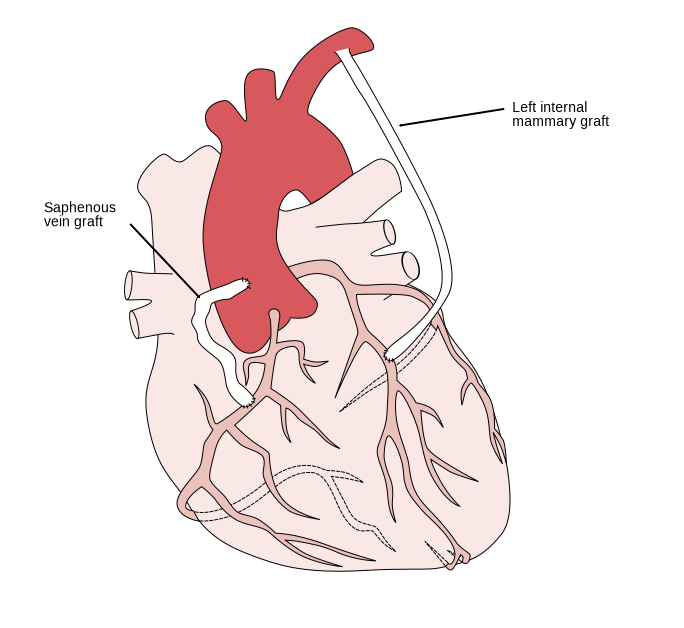
The Cardiology Department at Fortis hospitals provides the best of services in terms of accurate diagnosis and professional treatment. Our experienced team of doctors specialise in cardiac bypass surgery, minimally invasive surgery, interventional cardiology, and non-invasive cardiology. We also provide ambulatory systems for emergencies along with non-invasive image processing, echocardiography, stress tests, cardiovascular CT’s and thallium heart mapping among many other services. Our paediatric division also diagnoses and treats cardiac issues in newborns and foetuses alike.


Cardiac Bypass Surgery: Cardiac bypass surgery, also known as coronary artery bypass grafting (CABG), is a surgical procedure that helps improve blood flow to the heart by bypassing blocked or narrowed coronary arteries. This procedure can be a life-saving option for patients with severe coronary artery disease.

Minimally Invasive Surgery: Minimally invasive cardiac surgery techniques involve smaller incisions and less trauma to the body compared to traditional open-heart surgery. These techniques can result in quicker recovery times and less post-operative pain.

Interventional Cardiology: Interventional cardiology procedures involve using catheters and other minimally invasive techniques to diagnose and treat various heart conditions, such as angioplasty and stent placement for blocked arteries.

Non-Invasive Cardiology: Non-invasive cardiology focuses on diagnostic tests and procedures that do not require surgery or invasive interventions. This can include various imaging techniques like echocardiography, stress tests, and cardiovascular CT scans.

Ambulatory Systems for Emergencies: Ambulatory systems for emergencies are crucial for providing timely care to patients experiencing heart-related emergencies. These systems ensure that patients receive rapid evaluation and treatment, which is essential in critical situations.

Non-Invasive Image Processing: Non-invasive image processing is a vital component of modern cardiology. It allows for the analysis and interpretation of various imaging modalities to aid in diagnosis and treatment planning.

Echocardiography: Echocardiography is a non-invasive imaging technique that uses sound waves to create detailed images of the heart's structure and function. It is valuable for assessing heart conditions.

Stress Tests: Stress tests help evaluate how well the heart functions during physical stress. They are useful for diagnosing conditions like coronary artery disease.

Cardiovascular CT Scans: Cardiovascular CT scans provide detailed images of the heart and blood vessels, allowing for the assessment of coronary artery disease and other cardiac conditions.

Thallium Heart Mapping: Thallium heart mapping is a nuclear medicine test used to evaluate blood flow to the heart muscle. It can identify areas of reduced blood flow and help in diagnosing heart conditions.

The Cardiology Department at Fortis Hospitals offer a comprehensive range of services to meet the needs of patients with heart-related conditions. It's important for individuals to consult healthcare providers to determine the most appropriate diagnostic and treatment options for their specific cardiac issues

Why Choose Us

  • 24 Hours Service
  • Best in Class Medical Equipments
  • State of the Art Diagnostic
  • Highly Advanced Medical Care
  • 21+ Years of Cardiac Expertise and Experience

Our Cardiac Care

  • angiography, angioplasty and stenting
  • Cardiac-interventions
  • Heart Transplant

Treatment Procedures

Our Team of Experts

Our patient’s stories

FAQs

  • What services do you offer in Cardiac Sciences?
    We offer a comprehensive range of cardiac services, including: o Diagnostic tests for heart conditions o Cardiac interventions, such as angioplasty and stent placement o Electrophysiology services for heart rhythm disorders o Open-heart surgeries, Minimal Invasive Cardiac Surgery and heart valve repairs o Cardiac rehabilitation programs for post-procedure recovery and heart health improvement.
  • Can cardiologist do surgery?
    Although cardiologists can't perform surgery, there are some specialized procedures that they can perform. For example, an interventional cardiologist may use a stent to open clogged arteries. Apart from this, they can implant some advanced devices in the heart of the patient suffering from some heart related disorders.
  • What are the heart problems?
    Heart disease refers to any problem affecting the heart, such as coronary artery disease, arrhythmias, and heart failure. Lifestyle choices can prevent many of these conditions, and medicine can help manage them if they do occur.
  • What is weak heart?
    Cardiomyopathy is a disease in which the heart muscle becomes weak, stretched, or has some other structural problem. This often contributes to the heart's inability to pump or function properly. Many people with cardiomyopathy develop heart failure.
  • How do you confirm heart failure?
    Go to your doctor. You may have trouble breathing, an irregular heartbeat, swollen legs, varicose veins in your neck, and hoarseness from fluid in your lungs. Your doctor will check for these and other signs of heart failure. A test called an echocardiogram is often the best test to diagnose your heart failure.
Form Fields
Top Cardiologists & Cardiac Surgeons at Fortis
Leading Heart Care For Over 20 years
162+ Hospital Beds
250+ ICU Beds (PICU & NICU)
24*7 Emergency facility
Fortis Centre Of Excellence For Heart Care

The Cardiology Department at Fortis hospitals provides the best of services in terms of accurate diagnosis and professional treatment. Our experienced team of doctors specialise in cardiac bypass surgery, minimally invasive surgery, interventional cardiology, and non-invasive cardiology. We also provide ambulatory systems for emergencies along with non-invasive image processing, echocardiography, stress tests, cardiovascular CT’s and thallium heart mapping among many other services. Our paediatric division also diagnoses and treats cardiac issues in newborns and foetuses alike.


Cardiac Bypass Surgery: Cardiac bypass surgery, also known as coronary artery bypass grafting (CABG), is a surgical procedure that helps improve blood flow to the heart by bypassing blocked or narrowed coronary arteries. This procedure can be a life-saving option for patients with severe coronary artery disease.

Minimally Invasive Surgery: Minimally invasive cardiac surgery techniques involve smaller incisions and less trauma to the body compared to traditional open-heart surgery. These techniques can result in quicker recovery times and less postoperative pain.

Interventional Cardiology: Interventional cardiology procedures involve using catheters and other minimally invasive techniques to diagnose and treat various heart conditions, such as angioplasty and stent placement for blocked arteries.

Non-Invasive Cardiology: Non-invasive cardiology focuses on diagnostic tests and procedures that do not require surgery or invasive interventions. This can include various imaging techniques like echocardiography, stress tests, and cardiovascular CT scans.

Ambulatory Systems for Emergencies: Ambulatory systems for emergencies are crucial for providing timely care to patients experiencing heart-related emergencies. These systems ensure that patients receive rapid evaluation and treatment, which is essential in critical situations.

Non-Invasive Image Processing: Non-invasive image processing is a vital component of modern cardiology. It allows for the analysis and interpretation of various imaging modalities to aid in diagnosis and treatment planning.

Echocardiography: Echocardiography is a non-invasive imaging technique that uses sound waves to create detailed images of the heart's structure and function. It is valuable for assessing heart conditions.

Stress Tests: Stress tests help evaluate how well the heart functions during physical stress. They are useful for diagnosing conditions like coronary artery disease.

Cardiovascular CT Scans: Cardiovascular CT scans provide detailed images of the heart and blood vessels, allowing for the assessment of coronary artery disease and other cardiac conditions.

Thallium Heart Mapping: Thallium heart mapping is a nuclear medicine test used to evaluate blood flow to the heart muscle. It can identify areas of reduced blood flow and help in diagnosing heart conditions.

The Cardiology Department at Fortis Hospitals offer a comprehensive range of services to meet the needs of patients with heart-related conditions. It's important for individuals to consult healthcare providers to determine the most appropriate diagnostic and treatment options for their specific cardiac issues

Why Choose Us

  • 24 Hours Service
  • Best in Class Medical Equipments
  • State of the Art Diagnostic
  • Highly Advanced Medical Care
  • 21+ Years of Cardiac Expertise and Experience

Our Cardiac Care

  • Angiography, Angioplasty and Stenting
  • Cardiac-interventions
  • Heart Transplant

Treatment Procedures

Our Team of Experts

Our patient’s stories

FAQs

  • What services do you offer in Cardiac Sciences?
    We offer a comprehensive range of cardiac services, including: o Diagnostic tests for heart conditions o Cardiac interventions, such as angioplasty and stent placement o Electrophysiology services for heart rhythm disorders o Open-heart surgeries, Minimal Invasive Cardiac Surgery and heart valve repairs o Cardiac rehabilitation programs for post-procedure recovery and heart health improvement.
  • Can cardiologist do surgery?
    Although cardiologists can't perform surgery, there are some specialized procedures that they can perform. For example, an interventional cardiologist may use a stent to open clogged arteries. Apart from this, they can implant some advanced devices in the heart of the patient suffering from some heart related disorders.
  • What are the heart problems?
    Heart disease refers to any problem affecting the heart, such as coronary artery disease, arrhythmias, and heart failure. Lifestyle choices can prevent many of these conditions, and medicine can help manage them if they do occur.
  • What is weak heart?
    Cardiomyopathy is a disease in which the heart muscle becomes weak, stretched, or has some other structural problem. This often contributes to the heart's inability to pump or function properly. Many people with cardiomyopathy develop heart failure.
  • How do you confirm heart failure?
    Go to your doctor. You may have trouble breathing, an irregular heartbeat, swollen legs, varicose veins in your neck, and hoarseness from fluid in your lungs. Your doctor will check for these and other signs of heart failure. A test called an echocardiogram is often the best test to diagnose your heart failure.
Form Fields
#1 Orthopedic Hospital in India - Leading Orthopedics & Ortho Surgeons
30000 + patient successfully treated
Orthopedics Treatment At Fortis Hospitals

Fortis Hospitals has orthopaedics as its core, with a wide range of leading consultants. Orthopaedics is a specialty that focuses on injuries and diseases of your body & musculoskeletal system. This complex system includes your bones, joints, ligaments, tendons, muscles, and nerves and allows you to move, work, and be active.We care for patients of all ages, from newborns with clubfeet to young athletes requiring arthroscopic surgery to older people with arthritis. Remember anybody can break a bone

Why Choose Us

  • Cuvis Robotic Joint Replacement
  • State of the Art Diagnostic
  • International Patients Services
  • Highly Advanced Medical Care

Orthopaedic Surgical Procedures

Our Team of Experts

Our patient’s stories

FAQs

  • When should I see an orthopedic specialist?
    You should consider seeing an orthopedic specialist if you're experiencing persistent pain, limited range of motion, swelling, or any other musculoskeletal issue that affects your daily life or physical activities.
  • What conditions do orthopedic doctors treat?
    Orthopedic doctors treat a wide range of conditions, including fractures, sprains, arthritis, sports injuries, spine disorders, joint pain, and more.
  • How are orthopedic conditions diagnosed?
    Diagnosis involves a combination of medical history review, physical examination, and often, imaging tests such as X-rays, MRI scans, and CT scans.
  • What is the recovery process after surgery?
    Recovery varies depending on the type of surgery. Physical therapy, rest, and adherence to post-operative guidelines are typically essential for optimal recovery.
  • How can I prevent orthopedic injuries?
    Maintaining a healthy weight, engaging in regular exercise, practicing proper body mechanics, using appropriate protective gear during sports, and avoiding overexertion can help prevent injuries.
  • How can I prevent orthopedic injuries?
    Maintaining a healthy weight, engaging in regular exercise, practicing proper body mechanics, using appropriate protective gear during sports, and avoiding overexertion can help prevent injuries.
  • What is robotic knee replacement surgery?
    Robotic knee replacement surgery is an advanced technique that combines the precision of robotics with the expertise of orthopedic surgeons to enhance the accuracy and outcomes of knee replacement procedures.
  • What conditions do sports medicine doctors treat?
    Sports medicine doctors treat a wide range of conditions, including but not limited to sprains, strains, fractures, ligament tears, tendonitis, overuse injuries, concussions, and joint issues.
  • What treatments do sports medicine doctors offer?
    Sports medicine doctors provide a variety of treatments, including rest, physical therapy, rehabilitation exercises, medication, joint injections, and in some cases, surgical interventions.
  • What is a Shoulder Specialist and what conditions do they treat?
    A Shoulder Specialist is a medical doctor who focuses on diagnosing and treating a wide range of shoulder-related problems and conditions. These may include rotator cuff injuries, frozen shoulder, shoulder dislocations, labral tears, and more.
Form Fields
Gastroenterology Medical Services Under One Roof
Expert Care for Your Digestive Health
4000+ Beds
24X7 Hrs Emergency Service
70+ ICUs
Introducing the Gastro and Liver Clinic at Fortis

Comprehensive Gastrointestinal and Liver Care

The Department of Gastroenterology and Hepatology at Fortis Hospital offers advanced care for a wide range of gastrointestinal, liver, pancreatic, and biliary disorders. Led by some of the best gastroenterologists in Fortis, our team combines deep clinical expertise with cutting-edge technology to deliver personalized treatment and compassionate care.


Specialized Diagnostic Procedures

Our services include:

  • Endoscopies: Gastroscopy, Duodenoscopy, Enteroscopy
  • Colonoscopy and Capsule Endoscopy
  • Endoscopic Ultrasound (EUS) for biopsies and FNAC
  • ERCP for pancreatic and bile duct conditions

If you're looking for information on endoscopy cost in Fortis Hospital, our team can guide you through the procedure details and pricing transparently.


Expert Management of Acute Conditions

We specialize in treating life-threatening conditions such as:

  • Acute liver failure
  • GI bleeding
  • Acute pancreatitis
  • Acute colitis
  • Biliary sepsis

Our gastro doctors in Fortis are equipped to perform therapeutic procedures like polypectomies, variceal banding, GI stenting, and foreign body removal.


Advanced Therapeutic Treatments

We also offer:

  • Percutaneous Endoscopic Gastrostomy (PEG) tube placement
  • Endoscopic Mucosal Resection (EMR)
  • Balloon dilatation for strictures and achalasia
  • Gallstone removal and CBD stenting

Compassionate, Patient-Centered Care

At Fortis, we take pride in delivering care that is not only clinically excellent but also empathetic and patient-focused. Our soothing environment and dedicated staff ensure comfort and satisfaction throughout your treatment journey.

Why Choose Us

  • 24x7 emergency care for GI and liver-related issues
  • Experienced gastroenterologists for simple to complex GI conditions
  • Latest equipment for safe, painless procedures
  • Specialized clinics for liver, pancreas & IBS
  • Multispecialty support: surgery, oncology & critical care
  • Minimally invasive procedures for faster recovery

Treatments Procesdures

Our Team of Experts

Our patient’s stories

FAQs

  • What are the advanced endoscopic procedures used at Fortis Hospital, India?
    The specialists at Fortis Hospital, India use advanced endoscopic procedures such as endoscopic ultrasound (EUS) to diagnose and treat different types of GI and Pancreaticobiliary diseases and liver conditions.
  • How are endoscopic treatments beneficial compared to traditional surgeries?
    Endoscopic treatments offer a safe and effective alternative to conventional surgeries in select groups of patients. They can deliver therapies directly to the gastrointestinal tract without the need for incisions, leading to faster recovery and an early return to normal life.
  • What is the recovery time for patients receiving endoscopic treatments?
    Patients receiving endoscopic treatments can recover much faster compared to traditional surgical procedures. The minimally invasive nature of endoscopic treatments allows for quicker healing and a prompt return to normal life.
  • What conditions does a gastroenterologist treat?
    A gastroenterologist treats diseases of the digestive system, including the esophagus, stomach, intestines, liver, gallbladder, and pancreas.
  • When should I consult a gastroenterologist?
    You should consult a gastroenterologist if you experience frequent stomach pain, acidity, indigestion, constipation, diarrhea, blood in stools, unexplained weight loss, jaundice, or any persistent digestive issues.
Form Fields
Leading Gastroenterology Doctors & Surgeons In Fortis Hospital
The department of Gastroenterology and Hepatology Sciences provides comprehensive high-end care for a wide spectrum of gastrointestinal, pancreatic, liver and biliary disorders with the help of a highly qualified, experienced team of Gastroenterologists supported by the state-of-art technology. Our services include Endoscopies (Gastroscopy, Duodenoscopy, Enteroscopy), Colonoscopy, Endoscopic Ultrasound (biopsies and FNAC), Capsule Endoscopy, ERCP, Management of acute/life threatening conditions such as Acute liver failure, GI bleed, Acute pancreatitis, Acute colitis, Biliary sepsis, and Therapeutic procedures such as Polypectomies, Variceal banding, Foreign body removal, GI stenting and Treatment of GI bleed. Our services also include Percutaneous Endoscopic Gastrostomy (PEG) tube placement, Endoscopic Mucosal Resection (EMR), Balloon dilatation of structures and achalasia, and Biliary procedures such as gall stone removal & Stenting of CBD. The department takes prides in providing compassionate care in a soothing ambience with the focus on patient satisfaction and comfort.

Why Choose Us

  • 24 Hours Service
  • State of the Art Diagnostic
  • World Class Gastro Care
  • Expert Gastroenterologists
  • Advanced Endoscopy [EUS]

Treatments Procesdures

Our Team of Experts

Our patient’s stories

FAQs

  • What are the advanced endoscopic procedures used at Fortis Hospital, India?
    The specialists at Fortis Hospital, India use advanced endoscopic procedures such as endoscopic ultrasound (EUS) to diagnose and treat different types of GI and Pancreaticobiliary diseases and liver conditions.
  • What causes gastrointestinal diseases?
    Infections, inflammation, foodborne illnesses, IBS, IBD, GERD, gallstones, celiac disease, and more.
  • Do I need any specific tests or screenings for my condition?
    Depending on your symptoms and suspected condition; your doctor will advise based on your situation.
  • What dietary changes should I make to improve my gastrointestinal health?
    Increase fiber intake, stay hydrated, limit processed foods, and avoid trigger foods if you have known sensitivities.
Form Fields
Nephrology & Kidney Care at Fortis Hospitals

The Department of Nephrology at Fortis Hospitals provides comprehensive care for kidney and urinary system disorders, from early diagnosis and medical management to dialysis and kidney transplantation. Our multidisciplinary teams manage a wide range of acute and chronic kidney conditions in both children and adults, including complex and critical cases.

As a leading nephrology hospital in India, Fortis provides specialised care for conditions that affect kidney function as well as systemic diseases that can cause kidney damage. These include hypertension-related kidney disease, autoimmune disorders such as lupus and ANCA-associated vasculitis, genetic and congenital kidney disorders, electrolyte and metabolic abnormalities, and advanced kidney disease requiring renal replacement therapy.

Comprehensive Nephrology Care

Fortis brings together nephrologists, kidney transplant specialists, urologists, critical care specialists, nurses, dieticians and trained dialysis professionals to provide coordinated care throughout the patient's treatment journey.

Our nephrology services include:

  • Diagnosis and management of acute kidney injury and chronic kidney disease
  • Advanced evaluation of complex kidney disorders
  • Management of hypertension and kidney-related complications
  • Paediatric nephrology care
  • Dialysis and renal replacement therapies
  • Kidney transplant evaluation and post-transplant care
  • Management of autoimmune, genetic and congenital kidney disorders
  • Critical care support for patients with severe kidney-related conditions

Advanced Dialysis Services

Patients requiring renal replacement therapy have access to multiple dialysis modalities based on their clinical requirements. Fortis provides haemodialysis, peritoneal dialysis, nocturnal dialysis, SCED and CRRT for appropriate adult and paediatric patients.

Dialysis care is supported by experienced nephrologists, nurses, certified haemodialysis technicians and registered dieticians. This multidisciplinary approach helps ensure that patients receive medical, nutritional and supportive care throughout their treatment.

Kidney Transplantation

The Kidney Transplant Programme at Fortis provides comprehensive care across the transplant journey, beginning with detailed pre-transplant assessment and donor evaluation and continuing through surgery, post-operative care and long-term follow-up.

The transplant teams have experience in managing complex cases, including:

  • Living donor kidney transplantation
  • Cadaveric kidney transplantation
  • Paediatric kidney transplantation
  • ABO-incompatible kidney transplantation
  • Kidney transplantation in HIV-positive patients
  • Complex and high-risk transplant cases

Fortis has performed more than 1,500 kidney transplants, including complex transplant procedures, supported by a multidisciplinary team of nephrologists, transplant surgeons, urologists, anaesthetists, critical care specialists and other healthcare professionals.

Why Choose Fortis for Kidney Care?

Kidney diseases can range from conditions that can be managed with medication and lifestyle changes to complex diseases requiring dialysis or transplantation. Fortis offers an integrated approach that brings diagnostics, nephrology, dialysis, critical care and kidney transplant services together within a coordinated healthcare network.

With experienced specialists, advanced clinical infrastructure and comprehensive treatment options, Fortis aims to provide personalised kidney care across different stages of disease.

If you are looking for a nephrology hospital in India for kidney disease, dialysis or kidney transplantation, Fortis Hospitals offers specialised nephrology services for adults and children, including care for complex and advanced kidney conditions.

Why Choose Us

  • 24 Hours Service
  • State of the Art Diagnostic
  • International Patients Services
  • Highly Advanced Medical Care

Diseases and Treatment

Our Team of Experts

FAQs

  • What are some common kidney diseases?
    Common kidney diseases include chronic kidney disease (CKD), glomerulonephritis, polycystic kidney disease (PKD), kidney stones, urinary tract infections (UTIs), and kidney cancer.
  • What are the symptoms of kidney disease?
    Symptoms of kidney disease can vary depending on the specific condition, but common symptoms include changes in urine frequency and color, blood in the urine, fatigue, swelling in the legs or ankles, high blood pressure, and decreased appetite.
  • How is kidney disease diagnosed?
    Diagnosis of kidney disease involves a combination of medical history evaluation, physical examination, laboratory tests (such as blood and urine tests), imaging studies (like ultrasound or CT scan), and sometimes kidney biopsy.
  • Can kidney disease be prevented?
    Some types of kidney disease can be prevented or their progression can be slowed through lifestyle modifications such as maintaining a healthy diet, exercising regularly, managing blood pressure and diabetes, avoiding excessive alcohol consumption, and not smoking.
Form Fields
Top Cardiologists & Cardiac Surgeons at Fortis
Leading Heart Care For Over 20 years
162+ Hospital Beds
250+ ICU Beds (PICU & NICU)
24*7 Emergency facility
Fortis Centre Of Excellence For Heart Care

The Cardiology Department at Fortis hospitals provides the best of services in terms of accurate diagnosis and professional treatment. Our experienced team of doctors specialise in cardiac bypass surgery, minimally invasive surgery, interventional cardiology, and non-invasive cardiology. We also provide ambulatory systems for emergencies along with non-invasive image processing, echocardiography, stress tests, cardiovascular CT’s and thallium heart mapping among many other services. Our paediatric division also diagnoses and treats cardiac issues in newborns and foetuses alike.


Cardiac Bypass Surgery: Cardiac bypass surgery, also known as coronary artery bypass grafting (CABG), is a surgical procedure that helps improve blood flow to the heart by bypassing blocked or narrowed coronary arteries. This procedure can be a life-saving option for patients with severe coronary artery disease.

Minimally Invasive Surgery: Minimally invasive cardiac surgery techniques involve smaller incisions and less trauma to the body compared to traditional open-heart surgery. These techniques can result in quicker recovery times and less post-operative pain.

Interventional Cardiology: Interventional cardiology procedures involve using catheters and other minimally invasive techniques to diagnose and treat various heart conditions, such as angioplasty and stent placement for blocked arteries.

Non-Invasive Cardiology: Non-invasive cardiology focuses on diagnostic tests and procedures that do not require surgery or invasive interventions. This can include various imaging techniques like echocardiography, stress tests, and cardiovascular CT scans.

Ambulatory Systems for Emergencies: Ambulatory systems for emergencies are crucial for providing timely care to patients experiencing heart-related emergencies. These systems ensure that patients receive rapid evaluation and treatment, which is essential in critical situations.

Non-Invasive Image Processing: Non-invasive image processing is a vital component of modern cardiology. It allows for the analysis and interpretation of various imaging modalities to aid in diagnosis and treatment planning.

Echocardiography: Echocardiography is a non-invasive imaging technique that uses sound waves to create detailed images of the heart's structure and function. It is valuable for assessing heart conditions.

Stress Tests: Stress tests help evaluate how well the heart functions during physical stress. They are useful for diagnosing conditions like coronary artery disease.

Cardiovascular CT Scans: Cardiovascular CT scans provide detailed images of the heart and blood vessels, allowing for the assessment of coronary artery disease and other cardiac conditions.

Thallium Heart Mapping: Thallium heart mapping is a nuclear medicine test used to evaluate blood flow to the heart muscle. It can identify areas of reduced blood flow and help in diagnosing heart conditions.

The Cardiology Department at Fortis Hospitals offer a comprehensive range of services to meet the needs of patients with heart-related conditions. It's important for individuals to consult healthcare providers to determine the most appropriate diagnostic and treatment options for their specific cardiac issues

Why Choose Us

  • 24 Hours Service
  • Best in Class Medical Equipments
  • State of the Art Diagnostic
  • Highly Advanced Medical Care
  • 21+ Years of Cardiac Expertise and Experience

Our Cardiac Care

  • angiography, angioplasty and stenting
  • Cardiac-interventions
  • Heart Transplant

Treatment Procedures

Our Team of Experts

Our patient’s stories

FAQs

  • What services do you offer in Cardiac Sciences?
    We offer a comprehensive range of cardiac services, including: o Diagnostic tests for heart conditions o Cardiac interventions, such as angioplasty and stent placement o Electrophysiology services for heart rhythm disorders o Open-heart surgeries, Minimal Invasive Cardiac Surgery and heart valve repairs o Cardiac rehabilitation programs for post-procedure recovery and heart health improvement.
  • Can cardiologist do surgery?
    Although cardiologists can't perform surgery, there are some specialized procedures that they can perform. For example, an interventional cardiologist may use a stent to open clogged arteries. Apart from this, they can implant some advanced devices in the heart of the patient suffering from some heart related disorders.
  • What are the heart problems?
    Heart disease refers to any problem affecting the heart, such as coronary artery disease, arrhythmias, and heart failure. Lifestyle choices can prevent many of these conditions, and medicine can help manage them if they do occur.
  • What is weak heart?
    Cardiomyopathy is a disease in which the heart muscle becomes weak, stretched, or has some other structural problem. This often contributes to the heart's inability to pump or function properly. Many people with cardiomyopathy develop heart failure.
  • How do you confirm heart failure?
    Go to your doctor. You may have trouble breathing, an irregular heartbeat, swollen legs, varicose veins in your neck, and hoarseness from fluid in your lungs. Your doctor will check for these and other signs of heart failure. A test called an echocardiogram is often the best test to diagnose your heart failure.
Form Fields
Fortis Centre Of Excellence For Heart Care
The Cardiology Department at Fortis hospitals provides the best of services in terms of accurate diagnosis and professional treatment. Our experienced team of doctors specialise in cardiac bypass surgery, minimally invasive surgery, interventional cardiology, and non-invasive cardiology. We also provide ambulatory systems for emergencies along with non-invasive image processing, echocardiography, stress tests, cardiovascular CT’s and thallium heart mapping among many other services. Our paediatric division also diagnoses and treats cardiac issues in newborns and foetuses alike.

Why Choose Us

  • 24 Hours Service
  • State of the Art Diagnostic
  • International Patients Services
  • Highly Advanced Medical Care

Treatment Procedures

Form Fields
Subscribe to Request callback International Request callback Get an Estimate