
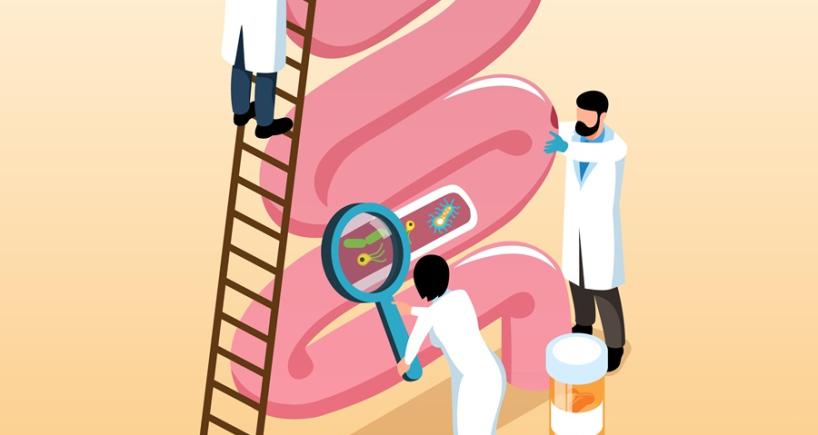


Comprehensive Overview of Laser Treatment for Piles
Introduction
Laser treatment for piles is a non-invasive surgical technique that utilizes high-intensity laser beams to shrink the piles (the dilated veins in the rectum that cause extreme discomfort and bleeding). While lifestyle alterations are a significant part of the piles’ treatment, an individual may require medical intervention in critical cases. Most treatment options are invasive and painful, with a long recovery process. Laser treatment allows an individual to get rid of piles via a painless, quick procedure with a fast recovery.
Preparation for a Laser Treatment for Piles
- The patient’s medical and personal history will be discussed.
- The surgeon will conduct a rectal examination by inserting gloved and lubricated fingers inside the anus to understand the pile’s location.
- The patient will be advised to stop smoking and avoid alcohol.
- The surgeon will recommend the following tests:
- Anoscopy: This test comprises a tubular device fitted with a camera that aids in observing the anus and rectum.
- Flexible sigmoidoscopy: In this procedure, a tube called a sigmoidoscope is inserted into the anus to aid the surgeon in visualizing the anus and rectum.
- Routine tests are also performed, such as complete blood count, X-ray, and urine tests.
- The patient will be suggested to fast for 8–12 hours before the surgery.
- The patient can go back to their home on the same day as the surgery.
How is Laser Treatment for Piles Performed?
- An enema will be given to the individual 2 hours before the start of the procedure to facilitate emptying the bowels.
- The patient will be asked to lie in a lithotomy position (on the back with legs wide apart) as this position gives an excellent view of the surgery.
- Patients will be administered anesthesia to numb them to the pain.
- A proctoscope will be put into the anus.
- This tube is fitted with a Doppler probe, which aids in locating the end arteries that supply blood to the piles.
- Once the artery is discovered, a laser fiber is put into the anus through the same tube.
- The surgeon then employs laser shots on the recognized piles.
- Laser aids in contracting the blood vessels that supply the piles. It leads to the discontinuation of the blood supply, diminishing the piles.
After a Laser Treatment for Piles: What to Expect
- Laser surgery for piles requires approximately half an hour to finish. Patients can go home the same day once the effects of anesthesia wear off.
- Recovery from the procedure takes approximately 6 to 8 weeks.
- Once the surgery is completed, the patient will be moved to a recovery room where vitals, i.e., temperature, blood pressure, and respiratory rate, will be observed.
- The effects of anesthesia will take approximately 6 hours to wear off. Patients may experience pain in the head during this period.
- During the process, the bladder and rectum muscles go into spasm. So, the patient may have trouble passing urine. If needed, a catheter may be placed to evacuate the bladder.
- The patient will experience pain and blood in stools for one week to 10 days after the surgery.
- Once vitals are stable, the patient will be discharged and sent home.
While being discharged, the patient will receive a comprehensive list of instructions regarding post-operative wound care.
- The patient can resume their daily routine after a day or two of rest. But they should refrain from overexerting themselves.
- Take frequent Sitz baths.
- Take the specified stool softeners frequently to keep stools soft.
- Do not hold stools for long.
- Avoid utilizing tissues after bowel movements.
- Avoid spicy, oily, and salty food. Include a lot of fibrous food in your diet.
- Stay hydrated by drinking a lot of water.
If the individual faces complications post-laser treatment, they should seek immediate medical attention!
Popular Searches :
Hospitals: Cancer Hospital in Delhi | Best Heart Hospital in Delhi | Hospital in Amritsar | Hospital in Ludhiana | Hospitals in Mohali | Hospital in Faridabad | Hospitals in Gurgaon | Best Hospital in Jaipur | Hospitals in Greater Noida | Hospitals in Noida | Best Kidney Hospital in Kolkata | Best Hospital in Kolkata | Hospitals in Rajajinagar Bangalore | Hospitals in Richmond Road Bangalore | Hospitals in Nagarbhavi Bangalore | Hospital in Kalyan West | Hospitals in Mulund | Best Hospital in India | Gastroenterologist in Jaipur | Cardiology Hospital in India
Doctors: Dr. Rana Patir | Dr. Rajesh Benny | Dr. Rahul Bhargava | Dr. Jayant Arora | Dr. Anoop Misra | Dr. Manu Tiwari | Dr. Praveer Agarwal | Dr. Arup Ratan Dutta | Dr. Meenakshi Ahuja | Dr. Anoop Jhurani | Dr. Shivaji Basu | Dr. Subhash Jangid | Dr. Atul Mathur | Dr. Gurinder Bedi | Dr. Monika Wadhawan | Dr. Debasis Datta | Dr. Shrinivas Narayan | Dr. Praveen Gupta | Dr. Nitin Jha | Dr. Raghu Nagaraj | Dr. Ashok Seth | Dr. Sandeep Vaishya | Dr. Atul Mishra | Dr. Z S Meharwal | Dr. Ajay Bhalla | Dr. Atul Kumar Mittal | Dr. Arvind Kumar Khurana | Dr. Narayan Hulse | Dr. Samir Parikh | Dr. Amit Javed | Dr. Narayan Banerjee | Dr. Bimlesh Dhar Pandey | Dr. Arghya Chattopadhyay | Dr. G.R. Vijay Kumar | Dr Ashok Gupta | Dr. Gourdas Choudhuri | Dr. Sushrut Singh | Dr. N.C. Krishnamani | Dr. Atampreet Singh | Dr. Vivek Jawali | Dr. Sanjeev Gulati | Dr. Amite Pankaj Aggarwal | Dr. Ajay Kaul | Dr. Sunita Varma | Dr. Manoj Kumar Goel | Dr. R Muralidharan | Dr. Sushmita Roychowdhury | Dr. T.S. MAHANT | Dr. UDIPTA RAY | Dr. Aparna Jaswal | Dr. Ravul Jindal | Dr. Savyasachi Saxena | Dr. Ajay Kumar Kriplani | Dr. Nitesh Rohatgi | Dr. Anupam Jindal |
Specialities: Heart Lung Transplant | Orthopedic | Cardiology Interventional | Obstetrics & Gynaecology | Onco Radiation | Neurosurgery |
Categories
Clear allRelated Blogs
View all
Single Incision Laparoscopic Surgery (SILS) for Hernia Repair

Understanding Gallbladder Stones: Causes, Symptoms, and Treatment Options
Understanding Hernia - Causes, Symptoms, and Treatment Options
Gallstone Complications: When to Seek Medical Attention

Common Myths and Misconceptions About Bariatric Surgery
Understanding Appendicitis: Causes, Symptoms, Risk Factors & Treatment
Understanding Varicose Veins: Causes, Symptoms, Risk Factors & Treatment Options

Keep track of your appointments, get updates & more!

