


How Sclerotherapy Helps in Treating Venous Malformations in Children
When a child is born with or develops a soft, bluish swelling under the skin that slowly increases in size, parents often notice it but do not always recognise what it means. Some call it a lump, some a birth mark, some think it will disappear on its own. Many of these cases turn out to be venous malformations, a type of vascular irregularity where the veins form abnormally and collect blood instead of flowing smoothly. It is not usually dangerous immediately, but it can grow, cause pain, affect movement, or change a child’s appearance over time. Fortunately, there is a treatment that works quietly, gently, and without major surgery for many children. It is called sclerotherapy, and for many families this becomes a reassuring turning point.
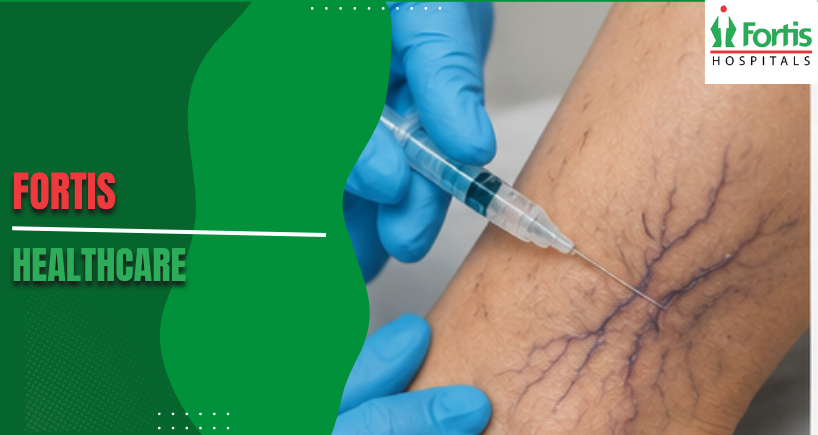
Instead of cutting or removing tissue, this method shrinks the malformed veins internally. A medicine is injected directly into the abnormal channels, causing them to collapse and eventually fade. No large incision, no major stitches. Children usually return to their normal routine fairly quickly. The aim is to control the malformation, relieve symptoms, prevent progression, and support healthy growth without unnecessary trauma.
We will walk through how this treatment works, how doctors decide if a child needs it, what recovery looks like, what parents can expect realistically, and how one can reach a sclerotherapy doctor for evaluation.
Understanding Venous Malformations in Children
Venous malformations are present at birth, even when they are not visible immediately. These are clusters of low pressure veins that expand gradually as a child grows. They may appear on the face, neck, limbs or deeper inside tissue. When the malformation sits close to joints or nerves, discomfort increases with activity. Some swell during infection or when the child cries or bends forward. It is a slow condition, but not one to ignore.
Parents often describe:
- A blue or purplish soft swelling
- Warmth or mild pain when pressed
- Size increasing with age
- Visible veins in clusters
- Discomfort during exercise or injury
Many malformations do not disappear naturally. Some stay stable for years. Others enlarge, affecting appearance or function. This is why early assessment is recommended. A pediatric specialist examines first, then imaging like ultrasound or MRI helps define depth, size and involvement of structures under the skin. Once mapped, a tailor made plan is made for the child.
What Exactly is Sclerotherapy
Sclerotherapy works on a simple principle. A medicine called sclerosant is injected into the abnormal vein. It irritates the inner wall, causing the vessel to collapse and close itself. Over time the body absorbs or shrinks that segment. This reduces swelling, discomfort and cosmetic impact.
It is a minimally invasive day procedure in most cases. No major open surgery. Many children feel only brief discomfort. General anaesthesia is sometimes used for younger children to ensure they remain still and calm. Older children may require only sedation depending on case severity and location.
A small needle enters the malformation under ultrasound or fluoroscopic imaging. This ensures accuracy. The sclerosant flows inside the abnormal channel. The doctor watches real time to confirm distribution. Some children need more than one session. This depends on size and complexity. Parents often notice gradual improvement rather than an instant change.
When Doctors Recommend Sclerotherapy for Children
Treatment is advised when the malformation causes:
- Pain during movement
- Rapid growth
- Cosmetic concern affecting confidence
- Recurrent bleeding or infection
- Functional difficulty near joints or airway
Some lesions near the throat or eye area need urgent attention if they threaten breathing or vision. Others are treated for comfort and long term control. The goal is not only to shrink the lesion but also to improve the quality of childhood. Running, playing, smiling freely matters more than numbers on a medical chart.
In many hospitals this procedure is performed by interventional radiologists or vascular anomaly specialists. Parents searching for a sclerotherapy doctor must look for someone experienced in pediatric vascular malformations specifically, because child cases require careful depth control and dose adjustment.
The Procedure Step by Step
Pre procedure evaluation involves imaging, blood tests and anaesthesia fitness check. The child arrives on the day of treatment, usually fasting for a few hours if sedation is planned.
Typical flow in simplest terms:
- Arrival and evaluation by medical team
- Marking the malformation region
- Sedation or anaesthesia as needed based on age
- Ultrasound guided needle placement
- Slow injection of sclerosant to fill abnormal veins
- Post procedure observation for a few hours
- Discharge usually the same day for uncomplicated cases
Recovery involves mild swelling, slight bruising or discomfort for a few days. Compression garments are sometimes recommended. Pain medication is minimal. Most children resume school within a short period, depending on size and location of injection.
Multiple sessions are common for large malformations. Parents should expect improvement over weeks to months instead of an overnight transformation.
Expected Results and What Improvement Looks Like
The aim is reduction, not always total removal. Venous malformations are part of a vascular anomaly cluster, and some require monitoring for many years. But sclerotherapy generally reduces:
- Bulk of swelling
- Frequency of pain
- Cosmetic prominence
- Interference with joint movement
Some parents describe that shoes fit more comfortably, children run without wincing and swelling no longer draws attention at school. These are small outcomes but deeply meaningful. A child who feels confident in their skin is brighter automatically.
In stubborn lesions, treatment is repeated with modified sclerosant type. A combined approach using laser or surgery after sclerotherapy sometimes helps when vessels respond partially. Treatment roadmaps differ for every child.
Risks and Realistic Expectations
Like any medical treatment, this is not completely risk free. Temporary swelling, pain and bruising are common. Skin darkening or blistering can happen if sclerosant escapes vessel wall accidentally. Rarely, nerves nearby may become irritated. Experienced clinicians reduce risk through imaging guidance and careful volume control. This is why choosing a specialist matters.
Parents should know:
- One session might not be enough
- Improvement is gradual
- Follow up imaging may be required
- Regular monitoring supports long term control
Success is measured not only by disappearance but by better function and comfort.
Sclerotherapy Treatment Cost and What Influences Pricing
Families often search for sclerotherapy treatment cost, but it is not a fixed single number. Pricing depends on:
- Size and depth of malformation
- Number of treatment sessions needed
- Type of sclerosant used
- Need for anaesthesia or hospital stay
- Location on the body and imaging complexity
Small superficial lesions may require fewer sessions. Larger ones spanning deep muscle layers require repeated or staged injections. A hospital consult gives more clarity than online guessing because the plan is personalised.
Caring for a Child After Treatment
Post procedure care is simple in most cases:
- Keep treated area clean and dry
- Avoid vigorous activity briefly
- Apply cold compress if swelling increases
- Give medicines as prescribed
- Attend follow up to monitor response
Children recover relatively fast. Emotional reassurance matters too. A calm environment and simple explanations reduce fear for future sessions if required.
Balanced nutrition, hydration and physical activity support healing. There is no strict diet unless part of another medical condition.
Final Word
Venous malformations can affect a child quietly but persistently. As they grow, so does the lesion. Sclerotherapy offers a way to manage this without major surgery, using targeted medicine to shrink and calm the malformed veins. It brings comfort, reduces pain and helps children move through life more freely.
If you feel your child might benefit from evaluation, consultation with a specialist is the first meaningful step. You may connect with experts at Best Hospital In India for assessment, imaging guidance and a personalised treatment plan created for long term wellbeing.
Categories
Clear allRelated Blogs
View all

Deep Vein Thrombosis (DVT): Causes, Symptoms, and Prevention Tips
Video-Assisted Thoracoscopic Surgery: Benefits and Challenges Explained
Inferior Vena Cava Procedures: What Patients Should Expect Before and After
Understanding Varicose Veins: Causes, Symptoms & Treatment Options
Diabetic Foot Infections: Why Early Care Can Save Your Limb

FAQs

Keep track of your appointments, get updates & more!

