
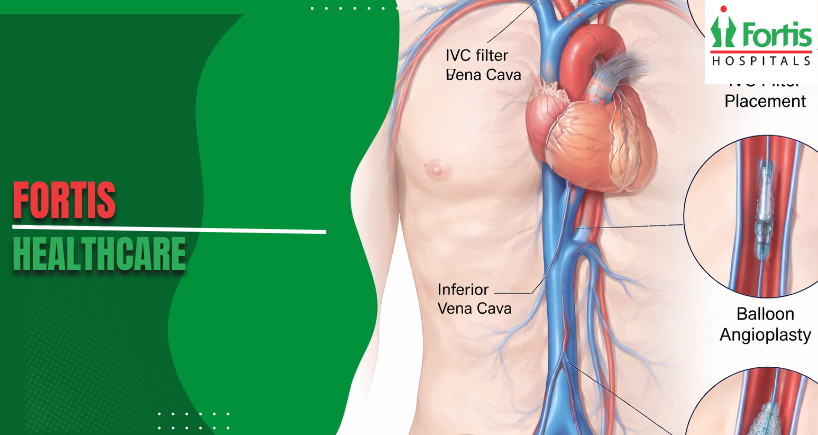


Inferior Vena Cava Procedures: What Patients Should Expect Before and After
Depleted blood returning from your lower legs travels rapidly up through massive biological pipes back toward your chest. Deep calf clots threaten this pathway constantly. If a dense blood clot breaks loose, it can shoot straight up into your fragile lung tissue within seconds. Stopping this terrifying internal migration takes serious structural engineering when standard blood-thinning pills prove completely unsafe.
Understanding how these tiny metallic traps operate removes the intense fear of having surgery near your spine. Clinical knowledge strips the panic away beautifully. Looking closely at the Vascular Surgery timeline gets you mentally ready for the physical realities of the hospital recovery room. Knowing exactly what happens inside your biggest veins turns a scary medical mystery into a reliable strategy.
The Architecture and Flow of the Primary Return Vessel
This massive central vein runs vertically alongside your spine, collecting depleted blood from the legs and major abdominal organs. It functions exactly like a high-volume plumbing pipeline. The massive vessel completely lacks the muscular pumping mechanisms found within the arterial system, relying purely on subtle respiratory pressure changes. Blood flows continuously upward through this vast, quiet biological channel effortlessly.
Large blood clots can travel through this wide space rapidly without causing any immediate pain. These silent masses move completely freely. They travel unseen until they reach the narrow, highly complex branching vessels deep inside the fragile respiratory system above. Understanding standard inferior vena cava anatomy clarifies exactly why surgeons target this specific location to trap migrating embolisms successfully.
Why Medical Teams Must Recommend Mechanical Clot Filtration
Aggressive pharmaceutical blood thinners successfully dissolve most deep vein clots safely over several months by preventing new cellular binding. However, medications carry heavy systemic bleeding risks. Patients recovering from recent massive physical trauma simply cannot tolerate drugs that intentionally impair their normal clotting mechanisms. Giving these specific individuals aggressive blood thinners introduces a massive risk of catastrophic internal bleeding elsewhere.
Creating a physical barrier within the central vein becomes the only viable protective clinical strategy when pharmaceuticals are prohibited. The mechanical filter acts identically to a physical kitchen sieve. It perfectly allows liquid blood to flow upward while snagging any dangerous solid masses instantly. This targeted structural approach protects the vulnerable lung tissue without altering the patient's delicate systemic coagulation chemistry.
How the Protective Metallic Umbrella Actually Works
Modern vascular filters resemble tiny metallic umbrellas constructed from highly advanced memory alloys that respond directly to body temperature. These delicate devices remain tightly compressed inside a thin delivery catheter. Surgeons carefully push them into the exact correct anatomical position using real-time digital screens. Once exposed to the warm blood stream, the metallic legs spring open automatically, embedding into the walls.
The conical shape funnels passing blood directly through the center of the device where overlapping wires catch solid masses. These trapped clots remain safely secured. They stay anchored tightly against the vessel wall until the body's natural enzymes dissolve them slowly over many weeks. This ingenious internal design prevents fatal pulmonary blockages without restricting the massive volume of fluid returning upwards.
Inside the Endovascular Operating Suite During Deployment
Patients remain completely awake but deeply relaxed during the intervention. The procedure requires only minimal localized numbing medicine. Surgeons access the massive central vein quickly by creating a tiny incision discreetly in the right groin or right neck area. Using continuous X-ray guidance, the surgical team threads the delivery catheter carefully toward the central abdominal region without causing physical discomfort.
Deploying the metallic umbrella precisely below the kidney vessels secures the pathway completely. The target area must be identified flawlessly. Vascular teams operating perform these structural interventions using continuous imaging guidance to ensure precise placement. The entire structural deployment process generally requires less than sixty minutes from the initial skin prick to the final bandage.
Immediate Post-Procedure Monitoring and Bed Rest Restrictions
Nurses compress the small access site manually for several minutes following the successful deployment to prevent localized skin bleeding. Patients must lie completely flat immediately afterward. Keeping the accessed leg perfectly straight for approximately three to four hours in the recovery bay remains absolutely mandatory. This strict immobility period allows the tiny puncture wound to seal securely against high internal pressure.
Individuals typically notice only a minor dull ache near the groin or neck entry point once cleared to sit up. The actual ivc filter procedure causes absolutely no internal abdominal pain because the massive central vein completely lacks specialized pain receptors. Most patients transition back to their normal hospital room or discharge to their home environment on the exact same afternoon safely.
Transitioning Between Temporary and Permanent Filtration Strategies
These metallic devices historically remained inside the central vein permanently, integrating completely into the vessel wall over several long years. Modern clinical practice heavily favors temporary retrieval designs today. Doctors strongly prefer pulling the device out once the patient's primary bleeding risk finally resolves completely after their major surgery. Leaving structural devices inside the body unnecessarily increases the likelihood of subtle migration.
Your vascular team sets a specific future date to attempt pulling the metallic device back out through the same approach. Removing it becomes highly unsafe if the filter has already captured massive, unresolved clots. The protective device must officially transition to permanent status under those specific high-risk conditions. Understanding this fluid timeline helps patients recognize that the initial insertion is just step one.
Living Safely With a Permanent Metallic Filter
Living with a permanent filter requires specific lifestyle adjustments to prevent chronic swelling in the lower legs over the decades. Blood flow returning from the feet becomes slightly sluggish because the device intentionally catches debris. Wearing properly fitted graduated compression stockings daily actively forces fluid upward to relieve the heavy pressure. These tight garments prevent extremely uncomfortable fluid pooling in the calves.
Routine ultrasound imaging provides the medical team with objective visual confirmation that the massive vessel remains sufficiently open for fluid return. Do not skip these checks. Ignoring these mandatory scheduled surveillance appointments compromises your major vein surgery outcomes significantly over time. Staying engaged with vascular specialists ensures any developing blockages are addressed rapidly before they cause permanent superficial skin damage.
Categories
Clear allRelated Blogs
View all

Deep Vein Thrombosis (DVT): Causes, Symptoms, and Prevention Tips
Video-Assisted Thoracoscopic Surgery: Benefits and Challenges Explained

Understanding Varicose Veins: Causes, Symptoms & Treatment Options
Diabetic Foot Infections: Why Early Care Can Save Your Limb

Sclerotherapy for Varicose Veins: How the Treatment Improves Blood Flow

FAQs
Will standard airport security scanners detect the metallic filter during international travel?
The tiny device contains a minuscule amount of non-magnetic metal that standard security scanners completely fail to detect.
Can patients physically feel the metallic device inside their abdomen after deployment?
The massive central vein completely lacks pain receptors, meaning patients absolutely cannot feel the device sitting inside them.
How soon can patients safely resume heavy lifting or intense gym routines?
Strenuous physical activities and heavy lifting require strict avoidance for at least two full weeks to protect access sites.
Is it safe to undergo standard MRI diagnostic scans with internal filters?
Most modern vascular filters are completely MRI-safe, but always provide the specific device identification card to radiology technicians beforehand.
What exactly happens to the large blood clots that the umbrella catches?
Your body utilizes its own natural circulating enzymes to slowly break down and dissolve the trapped clots over weeks.

Keep track of your appointments, get updates & more!

