
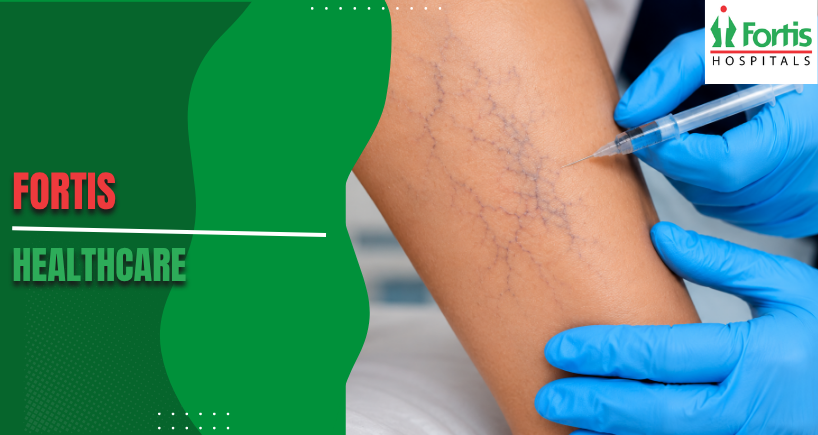


Sclerotherapy for Varicose Veins: How the Treatment Improves Blood Flow
Varicose veins are more than just a cosmetic concern. For many people, they are a source of daily discomfort, causing aching, heaviness, and swelling in the legs. These twisted, enlarged veins are a sign that blood flow is struggling against gravity. While surgery was once the main solution, a minimally invasive treatment called sclerotherapy has become a gold standard for managing this condition. It is a simple, effective procedure that doesn't just improve the look of your legs but actively corrects the underlying circulation problem.
How Sclerotherapy Fixes Faulty Veins
To understand how this treatment works, it sort of helps to picture your veins as a roadmap. Healthy veins have one-way valves that keep blood flowing up toward the heart. In varicose veins, these valves are weak or damaged. Blood flows backward and pools, causing the vein to bulge.
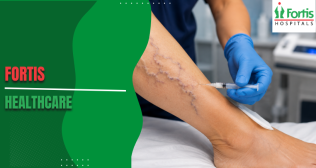
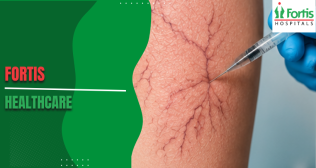
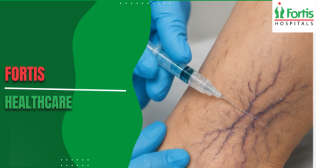
Sclerotherapy involves injecting a special chemical solution, known as a sclerosant, directly into these problem veins. This solution irritates the lining of the vein, causing it to collapse and stick together. Over time, the body turns this closed vein into scar tissue that eventually fades away.
Crucially, this process does not harm your circulation. In fact, it improves it. By closing off the faulty vein where blood was pooling, the body naturally reroutes the blood flow into healthier, stronger veins. This restores efficient circulation back to the heart.
What to Expect During the Procedure
One of the biggest advantages of sclerotherapy is its simplicity. It is typically done right in the doctor's office and usually takes less than an hour.
- No Anesthesia Needed: The procedure is virtually painless for most people. You might feel a small pinch or a mild stinging sensation when the injection is given, but it passes quickly.
- Precision Treatment: A sclerotherapy doctor uses a very fine needle to inject the solution. For deeper or larger veins, they may use ultrasound guidance to ensure the injection is placed exactly where it is needed.
- Immediate Recovery: There is essentially zero downtime. You will be asked to get up and walk around immediately after the procedure to encourage good blood flow.
The Road to Recovery and Results
Recovering from sclerotherapy is straightforward, but following your doctor's advice is key to getting the best results.
You will likely need to wear compression stockings for a week or two. These help to keep the treated veins closed and reduce bruising. It is also important to avoid strenuous exercise and direct sun exposure on the treated area for a short period.
Results are not instant, but they are worth the wait. Small spider veins usually fade within three to six weeks. Larger varicose veins may take three to four months to fully disappear. The treated veins are gone for good, though new veins can sometimes appear elsewhere over time.
Understanding the Cost involved
The sclerotherapy treatment cost can vary depending on a few factors. These include the number of veins being treated, the number of sessions required, and the expertise of the specialist. It is generally more affordable than surgical options like vein stripping. Most clinics will provide a clear cost estimate after your initial consultation.
Choosing the Right Specialist
While the procedure is simple, it requires a skilled hand. Choosing a qualified specialist ensures safety and the best possible cosmetic outcome. Leading hospitals with dedicated vascular surgery departments are the safest choice. For instance, the Vascular Surgery Department in Mumbai is equipped with expert vascular surgeons who perform sclerotherapy with high precision. They can assess your overall vein health and determine if this is the right treatment for you.
A Step Toward Healthier Legs
Living with varicose veins doesn't have to be your permanent reality. Sclerotherapy offers a safe, effective, and practically painless way to resolve the issue.
By closing off the damaged veins, you aren't just improving the appearance of your legs. You are helping your body's circulation work the way it was meant to, leaving you feeling lighter and more comfortable on your feet.
Categories
Clear allRelated Blogs
View all

Deep Vein Thrombosis (DVT): Causes, Symptoms, and Prevention Tips
Video-Assisted Thoracoscopic Surgery: Benefits and Challenges Explained
Inferior Vena Cava Procedures: What Patients Should Expect Before and After
Understanding Varicose Veins: Causes, Symptoms & Treatment Options
Diabetic Foot Infections: Why Early Care Can Save Your Limb
FAQs

Keep track of your appointments, get updates & more!

