
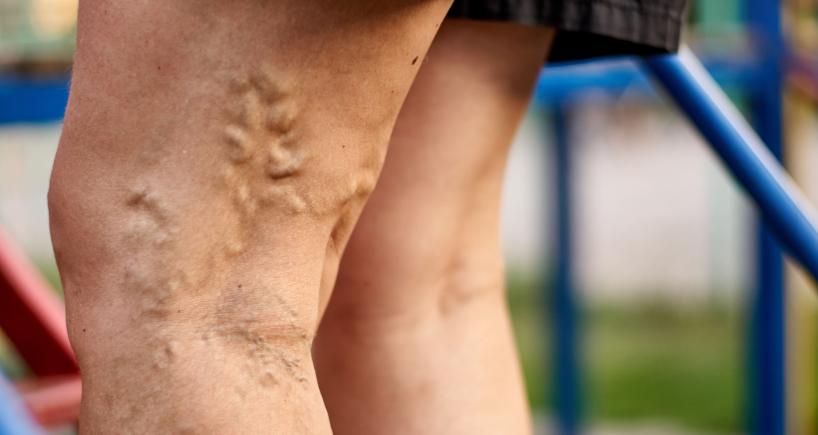


Understanding Varicose Veins: Causes, Symptoms & Treatment Options
Understanding Varicose Veins: Causes, Symptoms & Treatment Options
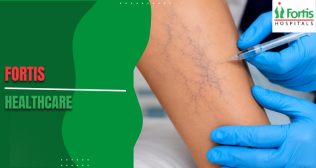
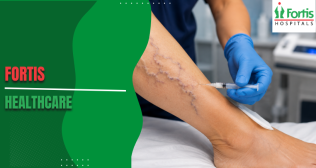
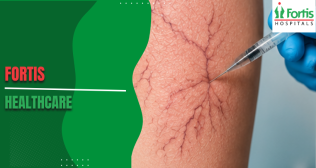
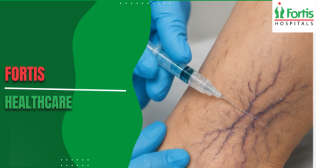
Do you often experience heavy, aching legs after standing for long hours? Have you noticed swollen, twisted blue or green veins on your legs? These could be signs of varicose veins — a common condition caused by weakened vein valves that affect proper blood circulation in the legs.
Varicose veins are not just a cosmetic concern. They can cause discomfort, swelling, itching, night cramps, and skin changes if left untreated. In some cases, they may even lead to ulcers or bleeding.
Common Signs of Varicose Veins
- Visible blue or green bulging veins
- Leg pain, heaviness, or throbbing sensation
- Swelling around the ankles or feet
- Burning or itching near the veins
- Night-time leg cramps
- Skin darkening or dryness around the affected area
Treatment Options
Treatment depends on the severity of the condition and your symptoms.
Advanced Minimally Invasive Treatments
- EVLA (Laser Treatment): Uses laser technology to close damaged veins with minimal pain and quicker recovery.
- Glue Therapy: A non-surgical procedure that seals affected veins using medical adhesive.
Simple Lifestyle Measures
- Wearing compression stockings
- Regular walking and leg exercises
- Elevating the legs while resting
- Avoiding prolonged standing or sitting
- Maintaining a healthy weight
- Reducing excess salt intake
Early treatment can help prevent complications and improve comfort in daily life. If you notice persistent leg pain, swelling, or visible veins, consult a vascular surgeon for proper evaluation and personalised treatment.
Categories
Clear allMeet the doctor

- Vascular Surgery | Vascular Surgery
-
 9 Years
-
 900
900
Related Blogs
View all

Deep Vein Thrombosis (DVT): Causes, Symptoms, and Prevention Tips
Video-Assisted Thoracoscopic Surgery: Benefits and Challenges Explained
Inferior Vena Cava Procedures: What Patients Should Expect Before and After
Diabetic Foot Infections: Why Early Care Can Save Your Limb
Sclerotherapy for Varicose Veins: How the Treatment Improves Blood Flow
FAQs

Keep track of your appointments, get updates & more!

