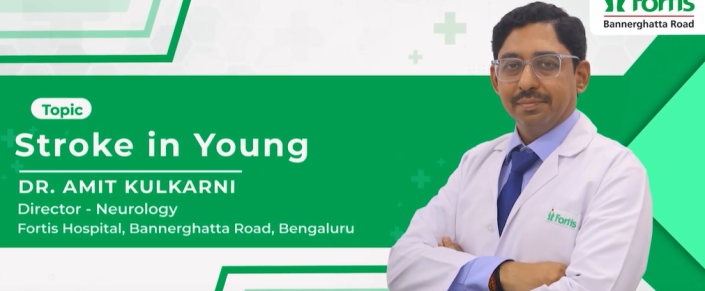
Comprehensive Stroke Care from Emergency Treatment to Recovery
When it comes to stroke, every minute matters.
A stroke can happen suddenly when blood flow to part of the brain is interrupted, either because of a blood clot or bleeding. Rapid recognition, timely diagnosis and appropriate treatment are critical because brain cells can begin to die within minutes when blood flow is interrupted.
At Fortis Hospital, Bannerghatta Road, Bangalore, stroke care focuses on timely assessment, appropriate treatment and continued recovery based on the patient's condition.
From identifying the warning signs of stroke to emergency treatment, advanced interventions, rehabilitation and prevention of another stroke, understanding the complete stroke-care journey can help patients and families act quickly when it matters most.
Suspect a Stroke? Don't Wait. Seek Emergency Medical Care Immediately.
CALL EMERGENCY – 96860 96860
Know the Signs of Stroke
Remember B.E.F.A.S.T.
What are the warning signs of a stroke?
Stroke symptoms often appear suddenly. Recognising the signs quickly can help ensure that medical attention is sought without unnecessary delay.
B – BALANCE
Sudden loss of balance, dizziness or difficulty walking.
E – EYES
Sudden blurred or double vision, or sudden loss of vision in one or both eyes.
F – FACE
Sudden facial drooping or weakness, particularly on one side.
A – ARMS
Sudden weakness or numbness in an arm or leg.
S – SPEECH
Slurred speech, difficulty speaking, finding words or understanding speech.
T – TIME
Other symptoms can include a sudden severe headache that was not present earlier or sudden loss of consciousness.
Every second counts. If these symptoms appear suddenly, seek immediate help to reach the nearest stroke ready hospital
Think Stroke. Remember B.E.F.A.S.T. Act Immediately.
CALL EMERGENCY – 96860 96860
Why Every Minute Matters in Stroke
Time Is Brain
A stroke occurs when blood flow to part of the brain is interrupted. This can happen because of a blockage (ischemic stroke) or bleeding (haemorrhagic stroke).
When blood flow is interrupted, brain cells can begin dying within minutes. This is why stroke treatment focuses on reducing delays between the onset of symptoms, hospital assessment, diagnosis and treatment.
Rapid stroke-response systems can help facilitate brain imaging and appropriate treatment, including clot-dissolving medication or mechanical clot removal in selected patients.
If stroke symptoms appear suddenly:
Recognise → Act → Reach a Stroke-Ready Centre → Get Assessed → Begin Appropriate Treatment
Comprehensive Stroke Care in Bangalore
From Stroke Emergency to Long-Term Recovery
Stroke care is not limited to the initial emergency. Depending on the type of stroke and the patient's condition, comprehensive care may involve emergency assessment, medical treatment, advanced stroke procedures, specialist care, rehabilitation and long-term prevention.
Stroke care may include:
- Rapid neurological assessment
- CT or MRI brain imaging
- Clot-buster medication for eligible ischemic stroke patients
- Mechanical thrombectomy for selected ischemic strokes with large artery blockages
- Neurological and neurosurgical evaluation
- Blood pressure and cholesterol management
- Early mobilisation
- Swallow assessment and management
- Physiotherapy
- Occupational therapy
- Speech and language therapy
- Long-term rehabilitation
- Stroke prevention and risk-factor management
The attached clinical content identifies clot-buster treatment, mechanical thrombectomy, medical management, rehabilitation and specialist neurological/neurosurgical care as components of comprehensive stroke care.
Emergency Stroke Assessment
Rapid Diagnosis Helps Guide the Right Treatment
When a patient presents with symptoms suggestive of stroke, rapid assessment is important to determine what type of stroke has occurred and what treatment may be appropriate.
Brain Imaging
CT or MRI imaging with MR or CT angiogram can help determine whether the stroke is associated with a blockage or bleeding and can guide treatment decisions.
Neurological Assessment
A stroke specialist evaluates the patient's symptoms, clinical condition and relevant investigations.
Treatment Planning
Depending on the type of stroke, time from symptom onset, imaging findings and other clinical factors, the medical team may consider medical treatment, thrombolysis or mechanical thrombectomy.
Rapid access to imaging and appropriate specialist assessment can help minimise avoidable delays in stroke treatment.
Clot-Buster Treatment for Ischemic Stroke
What Is Thrombolysis for Stroke?
An ischemic stroke occurs when a blood clot blocks blood flow to part of the brain.
For selected patients, clot-buster medication, also known as thrombolytic treatment, may be administered for patients within the golden hour/window period (4.5 hours) after appropriate clinical assessment and brain imaging.
The treatment decision depends on factors such as the time from symptom onset, the patient's clinical condition and imaging findings.
The attached material describes clot-buster medication being administered for eligible ischemic stroke patients after CT/MRI assessment and within the appropriate treatment window.
Why is early treatment important?
The earlier a patient with suspected stroke is assessed, the sooner the medical team can determine whether emergency stroke treatment may be appropriate.
Do not wait for symptoms to improve on their own.
Mechanical Thrombectomy for Stroke
Advanced Clot Removal for Selected Ischemic Strokes
Some ischemic strokes are caused by a blockage in a large artery supplying the brain.
For these selected patients, mechanical thrombectomy can be used to physically remove the blood clot and help restore blood flow.
What is mechanical thrombectomy?
Mechanical thrombectomy is a procedure in which specialised device is used to remove a blood clot from a blocked blood vessel, through a wire inserted through a groin puncture
The attached material describes the use of a stent retriever and notes that patient selection can depend on the time from stroke onset and advanced imaging such as CT perfusion if patient has presented beyond the conventional window of 6 hours.
Who may be considered for mechanical thrombectomy?
Not every stroke patient requires thrombectomy. The stroke team determines suitability based on factors including:
- Type of stroke
- Location of the blockage
- Time from symptom onset
- Clinical condition
- Brain and blood-vessel imaging
- Other relevant medical factors
Every Stroke Is Different. Treatment Is Individualised.
Neurology & Neurosurgical Stroke Care
Specialist Care When It Matters
Stroke management may require specialist neurological and, in selected cases, neurosurgical assessment.
The attached material highlights the importance of access to specialists experienced in acute stroke management so that treatment decisions can be made promptly and appropriately.
The stroke-care pathway may involve:
Neurological Assessment
↓
Brain Imaging
↓
Stroke Diagnosis
↓
Treatment Planning
↓
Emergency Intervention, Where Appropriate
↓
Recovery & Rehabilitation
Stroke Recovery & Rehabilitation
Recovery Continues After Emergency Treatment
Stroke recovery can involve multiple stages. Once the immediate medical condition is stabilised, rehabilitation may help address difficulties affecting movement, communication, swallowing, balance and everyday activities.
Rehabilitation is tailored to the individual's condition and functional needs.
Physiotherapy
Early initiation of physiotherapy can form part of recovery to address mobility, strength, balance and movement.
Occupational Therapy
Occupational therapy can help patients work towards greater independence in everyday activities.
Speech & Language Therapy
Early initiation of Speech and language therapy can support patients experiencing communication or swallowing difficulties after stroke.
Early Mobilisation
Early mobilisation and rehabilitation may form part of stroke recovery when clinically appropriate.
The attached material describes physiotherapy, occupational therapy, speech therapy, early mobilisation and structured rehabilitation as components of post-stroke care.
Advanced Stroke Rehabilitation
Supporting Recovery Through Continued Rehabilitation
Medium- and long-term rehabilitation may incorporate different approaches depending on the patient's clinical and functional requirements.
The source material includes:
- Active and passive muscle strengthening exercises
- Biofeedback therapies
- Limb stimulation with various modilities
- Virtual rehabilitation-guided techniques
- Advanced robotic techniques
These approaches should be planned according to individual patient needs and clinical assessment.
The Goal of Rehabilitation
The focus is to help patients work towards improved function, mobility, communication and independence as part of their recovery journey.
Stroke Prevention
Can Stroke Be Prevented?
Not every stroke can be prevented, but managing certain risk factors can help reduce the risk of stroke.
Stroke prevention can include managing:
Blood Pressure
High blood pressure is an important stroke risk factor and should be appropriately monitored and managed.
Diabetes
Keeping diabetes under appropriate medical control can form part of stroke-risk management.
Cholesterol
High cholesterol can contribute to cardiovascular risk and should be managed according to medical advice.
Weight
Maintaining a healthy weight can form part of an overall stroke-prevention strategy.
Physical Activity
Regular physical activity can support cardiovascular health. 30-40 min of brisk physical activity every day is important
Smoking
Quitting smoking will help reduce cardiovascular and stroke risk.
Alcohol
Avoiding excessive alcohol consumption is part of a healthier lifestyle.
Sleep Apnea
Sleep-related breathing disorders such as sleep apnea may require evaluation and appropriate management.
Heart Rhythm
Certain abnormal heart rhythms, including atrial fibrillation, can be associated with stroke risk and may require medical evaluation. Also identifying and treating cardiac pump dysfunction and taking prompt cardiologist advise is important in prevention of heart related embolic strokes
Stroke Prevention Through Lifestyle
Small Changes Can Support Better Heart and Brain Health
A stroke-prevention lifestyle may include:
Regular physical activity
Aim for consistent physical activity as advised by your healthcare professional.
Healthy eating
Focus on a balanced diet and improving intake of omega-3 fatty acids, anti-oxidants, increasing fruits and vegetables and cutting down on carbohydrates, fats and salt content of food
Avoid smoking
Smoking cessation can be an important part of reducing cardiovascular risk.
Moderate alcohol consumption
Avoid excessive alcohol intake.
Maintain a healthy weight
Weight management can help address several cardiovascular risk factors.
Manage medical conditions
Regularly monitor and manage conditions such as diabetes, high blood pressure and high cholesterol.
Your handwritten notes specifically identify regular physical activity, stress management, smoking cessation, alcohol moderation, diet and management of diabetes, cholesterol and obesity as stroke-risk considerations.
Frequently Asked Questions About Stroke
What are the first signs of a stroke?
Sudden loss of balance, vision changes, facial drooping, weakness or numbness in an arm or leg and difficulty speaking are important warning signs of stroke. Sudden severe headache and loss of consciousness can also occur.
What does B.E.F.A.S.T. mean?
B.E.F.A.S.T. stands for Balance, Eyes, Face, Arms, Speech and Time. It is a simple way to remember several important stroke warning signs.
Why is time important in stroke?
When blood flow to the brain is interrupted, brain cells can begin dying within minutes. Rapid assessment and appropriate treatment are therefore critical in acute stroke care.
What is an ischemic stroke?
An ischemic stroke occurs when blood flow to part of the brain is interrupted because of a blockage, usually involving a blood clot.
What is a haemorrhagic stroke?
A haemorrhagic stroke occurs when bleeding occurs in or around the brain. Treatment differs from that of an ischemic stroke and requires appropriate medical assessment.
What is a clot-buster drug?
A clot-buster, or thrombolytic medication, may be used in selected patients with ischemic stroke to help dissolve the blood clot causing the blockage. Eligibility depends on clinical assessment, imaging and other factors.
What is mechanical thrombectomy?
Mechanical thrombectomy is a procedure used in selected ischemic stroke patients to physically remove a blood clot blocking a large blood vessel.
Who can undergo mechanical thrombectomy?
Mechanical thrombectomy is not appropriate for every stroke patient. The stroke team determines eligibility based on factors such as the type and location of the blockage, timing, clinical condition and imaging findings.
When does stroke rehabilitation begin?
Rehabilitation may begin early during hospitalisation when clinically appropriate. Stroke recovery can involve physiotherapy, occupational therapy and speech therapy, depending on the patient's needs.
Can stroke be prevented?
Managing risk factors such as high blood pressure, diabetes, cholesterol, obesity, smoking, physical inactivity and certain heart conditions can form part of a stroke-prevention strategy.
How can I reduce the risk of another stroke?
After a stroke, ongoing follow-up can focus on controlling risk factors such as blood pressure, diabetes and cholesterol, along with appropriate medication and lifestyle changes where advised by the treating doctor.
Talk to a Stroke Specialist
Get the Right Care When Every Minute Matters
Stroke care involves more than treating the immediate emergency. It can involve rapid diagnosis, appropriate intervention, specialist management, rehabilitation and long-term prevention.
If you are looking for stroke treatment in Bangalore, speak with the appropriate medical team to understand the care options relevant to your condition.
Fortis Hospital, Bannerghatta Road, Bangalore
CALL EMERGENCY – 96860 96860
BOOK A NEUROLOGY CONSULTATION – 80507 39797 | 63649 31212