
 Share Profile


Fellowship in Head & Neck Oncology, Fellowship in Cleft & Craniofacial Surgery,
Course Director for Osstem Implant Pvt Ltd
Fortis Hospital Bannerghatta Road Comprehensive Epilepsy Care aims to provide holistic care, employing cutting-edge technologies and a multidisciplinary approach to improve the lives of individuals affected by epilepsy. If you are looking for the best epilepsy treatment near you or epilepsy treatment in Bangalore at Fortis Hospital Bannerghatta Road, our program is dedicated to offering specialized attention and tailored treatment strategies to individuals affected by epilepsy. A team of renowned epileptologists, functional neurosurgeons, and healthcare professionals, including an experienced epilepsy specialist near you and epilepsy surgeon near you, collaborate seamlessly to offer personalized care and innovative solutions, including access to an Epilepsy surgeon at Fortis Hospital Bannerghatta Road.
The program prioritizes patient comfort, safety, and successful outcomes throughout the patient's journey. It integrates advanced diagnostics, precise surgical interventions, and comprehensive follow-up care. The program strives to enhance the quality of life for each patient through individualized treatment plans and ongoing support. Visit our seizure clinic at Fortis Hospital Bannerghatta Road to explore our range of specialized facilities, each designed to provide accurate diagnoses, targeted interventions, and ongoing support for patients affected by epilepsy, including those experiencing convulsion or fits.
Epilepsy, the fourth most common neurological disorder, affects people of all ages and can cause unprovoked seizures. A seizure is a condition in which sudden, uncontrolled electrical irregularity occurs in the brain. It may cause changes in behaviour, movements, feelings, and levels of consciousness. Patients who have two or more seizures or a single episode of seizure with tendency to have recurrent seizures, commonly referred to as fits or convulsion, are considered to have epilepsy.
Epilepsy affects 50 million people worldwide and 80% of them live in the developing world. More than 70% of patients who are treated with anti-seizure medications (ASM) achieve long-term remission or freedom from seizures. The rest 30% may become refractory to ASMs and other forms of medical treatment, hence become suitable candidates to be investigated for the possibility of epilepsy surgery.
Treatment Options
Various treatments are available to effectively manage symptoms and improve quality of life. The common treatment options include:
Anti-seizure medications (ASMs): These are the most used treatments, and they work by regulating brain activity.
Surgery: This option is considered for people with epilepsy that do not respond to medications. It involves removing the part of the brain causing seizures and is performed by an experienced epilepsy surgeon near you.
Neurostimulation: This involves implanting a device to stimulate specific areas of the brain, which can help reduce seizure frequency. Examples of neurostimulation treatments include vagus nerve stimulation and deep brain stimulation.
Ketogenic Diet: This high-fat, low-carbohydrate diet can be effective in children with epilepsy. It works by altering brain chemistry and requires strict adherence.
Epilepsy Monitoring Unit
Unit in which patients are evaluated for their paroxysmal events
Diagnosis
Our advanced diagnostic testing facilities for epilepsy include:
- Routine 32-channel digital video EEG
- Round-the-clock, long-term 128-channel video EEG monitoring
- Functional MRI and WADA study to assess eloquent cortex regions
- 3 Tesla MRI
- PET (Positron Emission Tomography)
- SPECT (Single-Photon Emission Computerized Tomography)
- ECOG (Electrocorticography)
- Cortical Mapping
- SSEP (Somatosensory Evoked Potential)
MEP (Motor Evoked Potential)
Surgery for Epilepsy
Surgery for epilepsy is considered for individuals who do not respond to anti-seizure medications. It involves removing or altering the part of the brain causing seizures. There are several types of epilepsy surgery:
- Resective surgery: This involves removing the part of the brain causing seizures.
- Disconnective surgery: This involves cutting the connections between the part of the brain causing seizures and other parts of the brain.
Corpus callosotomy: This involves cutting the corpus callosum, which is the bundle of nerve fibres connecting the two hemispheres of the brain.
Neurostimulation for Epilepsy
Neurostimulation involves implanting a device to stimulate specific areas of the brain and can help reduce seizure frequency. There are different types of neurostimulation:
- Vagus Nerve Stimulation (VNS): A device is implanted in the chest and sends electrical signals to the vagus nerve, which is a long nerve that runs from the brain to the abdomen.
- Deep Brain Stimulation (DBS): Electrodes are implanted in specific areas of the brain and deliver electrical stimulation
Responsive Neuro Stimulation (RNS): A device is implanted in the brain to monitor brain activity and deliver electrical stimulation when a seizure is about to start.
Choose Fortis Hospital Bannerghatta Road for Epilepsy Care.
Our commitment to excellence, coupled with our advanced facilities and compassionate care, makes us the preferred choice for epilepsy treatment in Whitefield and for patients seeking an epilepsy specialist.
Our doctors:
Our Team of Experts
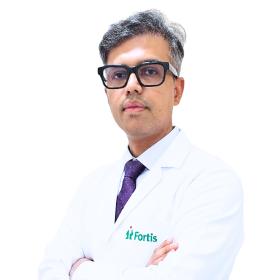
Dr. Gaurav Vinod Kasat
Consultant Urology
- Urology | Urology | Kidney Transplant | Robotic Surgery
-
 MBBS, MS (Gen Surg), MCh (Urology)
-
Education MBBS,MD
-
 Experience experience+ Years
-
 Languages Hindi, Marathi, English
-
 Location Fortis Vashi
About
Dr. Gaurav Kasat, a highly experienced Urologist and Andrologist with over 16 years of expertise in Navi Mumbai. Specializing in advanced urology treatments, Dr. Kasat is known for his meticulous approach to diagnosing and treating various urological disorders. He has developed a reputation for offering exceptional care to patients with kidney stones, prostate issues, and urinary tract infections (UTIs), among other conditions.
Areas of Expertise:
• Kidney Stone Treatment
• Prostate Issues and Prostate Cancer Surgery
• Urinary Tract Infections (UTIs)
• Ureterostomy and Urethrotomy
Education
FRCP (Lond, Edin, Irel), FACC, FESC, MSCAI, FAPSIC, FIMSA,
FCSI, DSc ( BHU, AMU, Amity U, TMU, Shiv Nadar U ),
D Litt ( Jamia Millia U ) FRCP (Lond, Edin, Irel), FACC, FESC, MSCAI, FAPSIC, FIMSA,
FCSI, DSc ( BHU, AMU, Amity U, TMU, Shiv Nadar U ),
D Litt ( Jamia Millia U )
Awards & Accolades
He has been awarded highest award for medicine in India
Dr BC Roy award (2006), prestigious National Honor,
Padma Shree (2007) and "Outstanding investigator Award
from World India Diabetes Foundation (2013).. He has been conferred
two National awards 'Americare Award' (Americare Foundation) and Swastha
Bharat Samman" (from Zee TV) for most outstanding contribution to Diabetes in
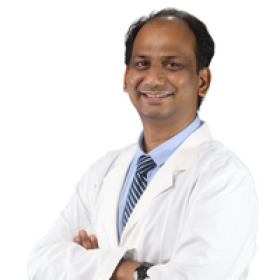
Dr. Vipin Dehane
Consultant Dental Science
- Dental Science | Dental Science | Oral and Maxillofacial Surgery | Orthodontics
-
BDS, MDS
-
Education MBBS,MD
-
Experience experience+ Years
-
Languages English, Hindi
-
Location Fortis Mulund
About
Bringing over 13 years of experience in Oral and Maxillofacial Surgery, Dr. Vipin Dehane is associated with S. L. Raheja Hospital – A Fortis Associate, Mahim, Mumbai. He completed his graduation in dental surgery in 2008 and obtained his post-graduation in Oral & Maxillofacial Surgery in 2012. His advanced training includes fellowships in Dental Implantology, Cleft and Craniofacial Surgery, and Head & Neck Oncology. Throughout his career, he has served at various healthcare institutions and held academic appointments, including Reader (Associate Professor). Dr. Dehane has also been actively involved in professional education as Course Director at Osstem Implants Pvt Ltd and as Director of the Indian Academy of Oral Surgery and Implantology and Computer Aided Implantology (CAI). He has delivered lectures at state-level conferences and has several national and international publications to his credit. His clinical expertise includes smile designing, dental implants, oral cancer surgeries, cleft lip and palate treatment, facial bone trauma management, minimally invasive maxillofacial surgery, laser-assisted maxillofacial procedures, pediatric and geriatric dentistry, and rehabilitation for post-COVID mucormycosis-related osteomyelitis.
Education
FRCP (Lond, Edin, Irel), FACC, FESC, MSCAI, FAPSIC, FIMSA,
FCSI, DSc ( BHU, AMU, Amity U, TMU, Shiv Nadar U ),
D Litt ( Jamia Millia U ) FRCP (Lond, Edin, Irel), FACC, FESC, MSCAI, FAPSIC, FIMSA,
FCSI, DSc ( BHU, AMU, Amity U, TMU, Shiv Nadar U ),
D Litt ( Jamia Millia U )
Awards & Accolades
He has been awarded highest award for medicine in India
Dr BC Roy award (2006), prestigious National Honor,
Padma Shree (2007) and "Outstanding investigator Award
from World India Diabetes Foundation (2013).. He has been conferred
two National awards 'Americare Award' (Americare Foundation) and Swastha
Bharat Samman" (from Zee TV) for most outstanding contribution to Diabetes in
 Awards & Accolades