
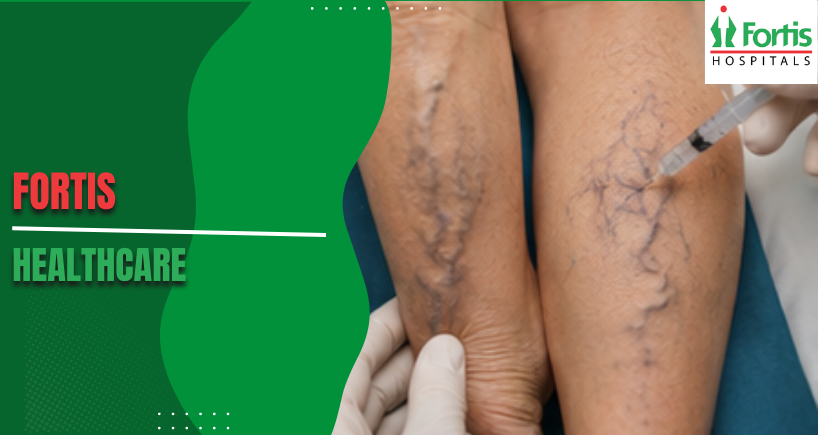


How Sclerotherapy Prevents Recurrence Of Leg Veins
Leg veins often start as a quiet concern. A faint line near the ankle, a cluster behind the knee, or a dull heaviness at the end of the day that feels hard to explain. Many people ignore these early signs, assuming they are cosmetic or temporary. Over time, though, those veins can become more visible, more uncomfortable, and harder to manage.
What makes leg veins frustrating is not just how they look, but how often they return after seeming to settle down. Treatment can improve symptoms, yet recurrence remains a real worry for patients. This is where sclerotherapy fits into clinical care, not as a cosmetic shortcut, but as a method designed to address the underlying vein behavior that leads to repeated problems.
Understanding Why Leg Veins Come Back
To understand recurrence, it helps to look at how abnormal leg veins form in the first place. Veins in the legs rely on one way valves to move blood upward against gravity. When those valves weaken, blood begins to pool instead of flowing efficiently. Over time, pressure builds, the vein walls stretch, and visible veins appear.
Even when symptoms improve for a while, untreated faulty veins continue to place stress on nearby vessels. This is why recurrence is common. New veins take on extra pressure and slowly become visible themselves. In practice, patients often notice that veins disappear in one area only to show up nearby months or years later.
This pattern is not a failure of care. It reflects how the venous system adapts when damaged pathways are left open. Preventing recurrence means interrupting that cycle rather than simply treating surface changes.
What Sclerotherapy Actually Does
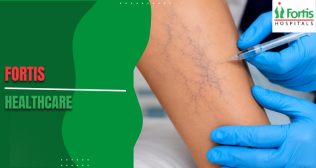
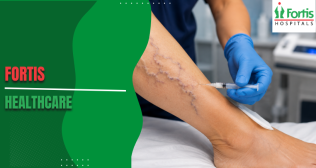
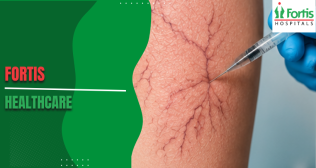
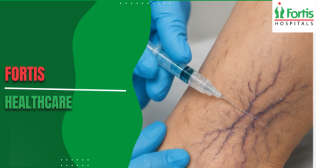
Sclerotherapy works by intentionally closing problematic veins so they can no longer carry blood. A specialized solution is injected directly into the affected vein using a very fine needle. The solution irritates the vein lining in a controlled way, causing the walls to collapse and seal shut.
Once closed, the vein is gradually absorbed by the body. Blood naturally reroutes through healthier veins that can handle circulation more efficiently. Over time, pressure within the surrounding vein network decreases, which matters more than many people realize.
This redirection of blood flow is key. Instead of allowing weakened veins to remain open and continue stressing the system, sclerotherapy removes them from circulation entirely. That change reduces the chance that nearby veins will become overloaded and fail in the same way.
How Sclerotherapy Helps Prevent Recurrence
Recurrence prevention is not about eliminating every visible vein forever. It is about restoring balance to blood flow in the legs. Sclerotherapy supports this by addressing veins that contribute to abnormal pressure patterns.
When a problematic vein is closed, the surrounding veins are no longer forced to compensate for its poor function. In many cases, this stabilizes the venous network and slows progression. Patients often notice not just cosmetic improvement, but reduced heaviness, less swelling, and fewer new veins forming over time.
That said, recurrence can still happen. Aging, genetics, prolonged standing, and hormonal factors continue to affect vein health. What sclerotherapy does is lower the baseline risk by removing veins that actively drive the problem. In clinical terms, it shifts the system toward a more stable state.
Who Benefits Most From Sclerotherapy
Sclerotherapy is commonly used for spider veins and smaller varicose veins. It is especially helpful when veins are visible but not severely twisted or deeply damaged. Patients with early to moderate vein disease often see the most durable results.
A proper evaluation matters. A qualified sclerotherapy doctor will assess vein structure, symptoms, and blood flow patterns before recommending treatment. In some cases, ultrasound is used to identify deeper vein issues that may need different approaches.
This individualized assessment is important because treating surface veins without understanding deeper circulation can limit long term success. When sclerotherapy is used in the right setting, it tends to work reasonably well at slowing recurrence.
The Role Of Technique And Experience
Not all sclerotherapy treatments are the same. Technique, solution choice, and injection accuracy all influence outcomes. An experienced clinician understands how vein size, location, and blood flow affect response to treatment.
Proper spacing of injections, appropriate solution concentration, and careful post treatment compression all play a role. These details may seem small, but they directly affect how well veins close and how stable results remain.
This is why choosing an experienced sclerotherapy doctor matters. Expertise does not guarantee permanent results, but it significantly improves the likelihood that treated veins will stay closed and that new veins will develop more slowly.
What Patients Often Notice After Treatment
After sclerotherapy, veins usually appear darker or slightly inflamed before fading. This can feel concerning at first, though it is a normal part of the healing process. Over weeks to months, treated veins become less noticeable as the body absorbs them.
Many patients report reduced leg fatigue and heaviness even before cosmetic changes are complete. That improvement reflects better blood flow dynamics rather than surface appearance alone. In daily life, this often means standing or walking feels easier by the end of the day.
Recurrence prevention shows up gradually. Instead of new veins appearing quickly, changes tend to slow. For most people, this is where the real value lies.
Lifestyle Factors That Support Long Term Results
Sclerotherapy works best when combined with supportive habits. While treatment addresses existing problem veins, lifestyle choices influence how remaining veins age.
Helpful measures often include:
- Regular walking to support calf muscle circulation
- Wearing compression stockings when advised
- Managing body weight to reduce leg pressure
- Avoiding prolonged standing or sitting when possible
These steps do not replace treatment, but they help preserve results. In practice, patients who follow these measures often see fewer recurrences over time.
Understanding Sclerotherapy Treatment Cost
Sclerotherapy treatment cost varies depending on the number of veins treated, session count, and clinical setting. Some patients need only one session, while others benefit from staged treatments over time.
Cost is usually influenced by:
- Extent and severity of veins
- Number of injections required
- Geographic location and clinic expertise
While cost matters, it should not be the only factor. Proper assessment and technique directly affect outcomes and recurrence risk. Choosing care based solely on price may lead to incomplete treatment and higher long term expense.
When Recurrence Still Happens
Even with appropriate care, recurrence is possible. New veins may form as part of natural aging or continued valve weakness. This does not mean sclerotherapy failed. It means the venous system continues to change over time.
The advantage is that recurrent veins are often smaller and easier to manage. Follow up treatments, when needed, tend to be more targeted. Many patients find that periodic maintenance provides long term control rather than repeated cycles of worsening symptoms.
This realistic understanding helps set appropriate expectations. Sclerotherapy is not a one time cure, but a tool that helps keep vein disease manageable.
Why Sclerotherapy Remains A Trusted Option
Among available vein treatments, sclerotherapy remains widely used because it directly addresses dysfunctional veins without surgery. It is performed in an outpatient setting, requires minimal recovery, and integrates well with other vein care strategies.
Its role in preventing recurrence comes from reducing abnormal pressure and improving circulation patterns. When used thoughtfully, it often helps patients feel more comfortable and confident about their leg health.
Living With Healthier Leg Veins Over Time
Managing leg veins is usually a long term process rather than a single event. Sclerotherapy helps by removing veins that contribute to ongoing stress within the venous system. This makes future changes slower and often less severe.
For patients, this translates into fewer symptoms, steadier appearance, and better daily comfort. With proper evaluation, skilled care, and realistic expectations, sclerotherapy can be a helpful part of maintaining leg vein health over time.
Categories
Clear allRelated Blogs
View all

Deep Vein Thrombosis (DVT): Causes, Symptoms, and Prevention Tips
Video-Assisted Thoracoscopic Surgery: Benefits and Challenges Explained
Inferior Vena Cava Procedures: What Patients Should Expect Before and After
Understanding Varicose Veins: Causes, Symptoms & Treatment Options
Diabetic Foot Infections: Why Early Care Can Save Your Limb
FAQs

Keep track of your appointments, get updates & more!

